 By
By 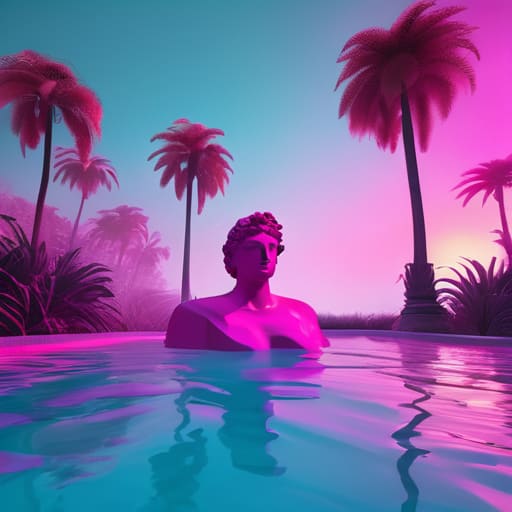
I still remember sitting in my darkened bedroom at 2 AM, the only light coming from a flickering CRT monitor, as a slowed-down Diana Ross sample bled through my cheap headphones. It wasn’t just music; it was a specific kind of ache, a digital longing for a version of the 1980s that never actually existed. That feeling is the heartbeat of Vaporwave Visual Culture, yet most people online treat it like some shallow, aesthetic-only trend you can just slap a pink filter on and call a day. They miss the point entirely, turning a profound commentary on consumerism into nothing more than low-effort eye candy for Instagram feeds.
I’m not here to give you a dry, academic lecture or a list of “top ten” design tips that feel like they were pulled from a corporate manual. Instead, I want to pull back the curtain on what actually makes this movement tick. I’m going to walk you through the grit, the glitch, and the genuine philosophy behind the neon and the marble. By the end of this, you’ll understand how to navigate the soul of the aesthetic without falling into the trap of being just another superficial imitator.
Table of Contents
Pink and Teal Color Palettes a Neon Dreamscape
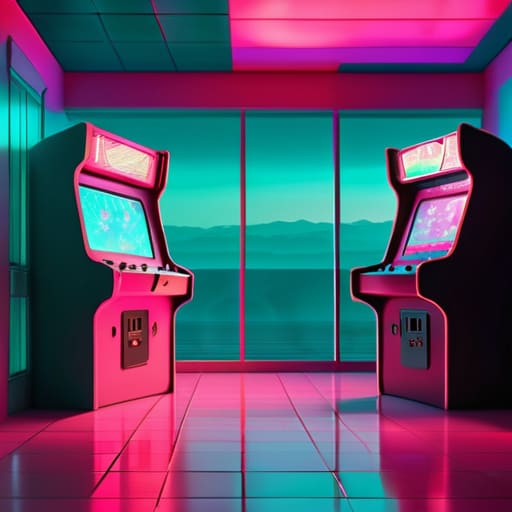
If you close your eyes and think of the genre, your brain probably defaults to a specific, hazy spectrum of color. We’re talking about those saturated, almost aggressive pink and teal color palettes that feel like they were ripped straight from a sunset in a 1980s arcade. It’s not just a random choice; it’s a deliberate dive into retro-futurism aesthetics. These colors act as a visual shorthand for a future that never actually happened—a soft, neon-drenched version of tomorrow that exists only in our collective memory of old tech manuals and late-night commercials.
But it’s more than just looking “cool.” There’s a heavy sense of melancholy baked into these hues. When you layer those electric blues against a washed-out magenta, you aren’t just looking at a pretty picture; you’re seeing the intersection of consumerism and surrealism. The colors feel slightly “off,” mimicking the way a cheap CRT monitor might bleed light or how a faded magazine looks under a dim fluorescent bulb. It’s that specific, dreamlike distortion that makes the whole experience feel less like looking at art and more like remembering a dream you can’t quite place.
Vhs Aesthetic Elements and the Lo Fi Visual Style
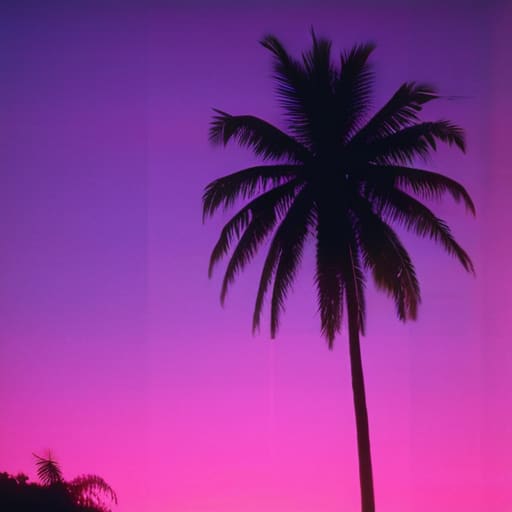
If the color palettes set the mood, the texture is what makes the whole thing feel like a half-remembered dream. We’re talking about that heavy, saturated lo-fi visual style that feels like you’re watching a bootleg workout tape from 1992. It’s not about high definition or crisp lines; it’s about the beautiful imperfection of the medium. You want that magnetic tape hiss, the tracking errors that tear the screen into jagged strips, and that soft, bleeding glow around every edge.
These VHS aesthetic elements do more than just look “old school”—they act as a visual filter for memory itself. By leaning into the glitch, the genre taps into a specific kind of early internet nostalgia, where technology felt magical and slightly broken all at once. It’s that sense of digital decay that turns a simple loop of a shopping mall fountain into something haunting. Instead of polished perfection, we get the warmth of a low-resolution signal, turning every frame into a grainy, flickering window into a past that never quite existed.
How to Hack the Glitch: 5 Rules for Building Your Own Vaporwave Vibe
- Embrace the “Ugly” Nostalgia: Don’t aim for high definition. If your image looks too crisp, it’s not vaporwave. You need that crunchy, low-bitrate, slightly degraded look that feels like a memory you can’t quite grasp.
- Mix the High-Brow with the Low-Brow: The real magic happens when you slap a classical Greek bust right next to a piece of 90s tech or a generic soda logo. It’s that intentional, surrealist clash of “fine art” and “consumer trash” that defines the genre.
- Master the Color Wash: Forget natural lighting. Everything should feel like it’s being viewed through a heavy, pastel-tinted lens. If you aren’t leaning heavily into those saturated magentas and cyan blues, you’re just making a regular sunset photo.
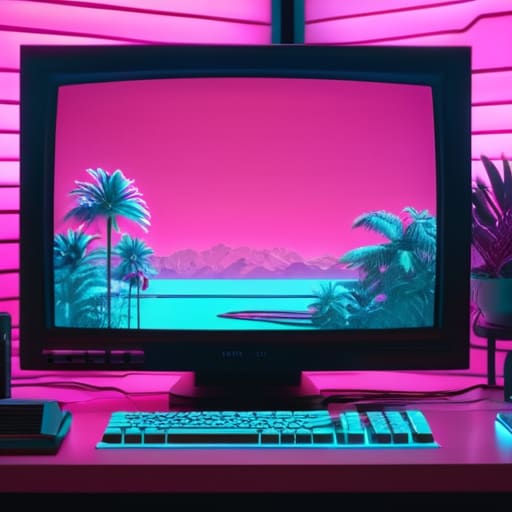
- Lean Into the Liminal: Try to capture spaces that feel “in-between”—empty malls, abandoned plazas, or lonely computer interfaces. Vaporwave thrives in that weird, lonely feeling of being in a place that’s supposed to be full of people, but isn’t.
- Glitch It Until It Breaks: Don’t be afraid to mess with the file itself. Digital artifacts, scan lines, and color bleeding aren’t mistakes; they’re the texture of the aesthetic. If it looks like a corrupted VHS tape, you’re doing it right.
The Vaporwave Cheat Sheet
It’s not just about pretty colors; it’s about using pinks, teals, and glitchy VHS textures to trigger a specific, weird kind of digital nostalgia.
The aesthetic thrives on the tension between high-tech futurism and the decaying, low-fi relics of 80s and 90s consumer culture.
To truly “get” vaporwave, you have to embrace the intentional imperfection—the more it feels like a fuzzy, dreamlike memory, the better.
## The Soul of the Glitch
“Vaporwave isn’t just about slapping a neon filter on a picture of a Greek statue; it’s about that specific, aching feeling of nostalgia for a future that never actually happened.”
Writer
Beyond the Glitch
If you’re looking to dive deeper into how these specific visual layers actually come together in digital art, I’ve found that experimenting with different texture overlays is the real secret sauce. It’s one thing to look at a static image, but it’s another to understand the grit behind the glow. For those who want to explore more unconventional or niche subcultures and how they intersect with digital trends, checking out something like liverpool sex can actually provide some unexpected inspiration for how identity and aesthetics collide in the modern age.
At the end of the day, vaporwave is so much more than just a collection of aesthetic tropes. It’s a deliberate collision of worlds—taking those dreamy pink and teal gradients, the grainy texture of a decaying VHS tape, and the haunting stillness of Greco-Roman statues to create something entirely new. By pulling from the discarded fragments of consumer culture and 80s mall nostalgia, the genre builds a digital sanctuary that feels both familiar and deeply alien. We’ve looked at how the colors set the mood and how the lo-fi visual grit provides the soul, but it’s the synthesis of these elements that truly defines the movement.
So, whether you’re just scrolling through endless loops of glitchy neon or you’re deep in the rabbit hole of slowed-down elevator music, remember that vaporwave is an invitation to linger in the “in-between.” It’s a space where we can find beauty in the obsolete and meaning in the static. As we move further into an increasingly polished, high-definition future, there is something profoundly human about reaching back into the digital haze to find a sense of peace. Don’t just look at the aesthetic; get lost in the dream.
Frequently Asked Questions
Is there a specific way to tell the difference between genuine vaporwave and just generic "retrowave" or "synthwave" art?
It’s a common mix-up, but here’s the cheat sheet: Synthwave and retrowave are basically high-octane action movies—think fast cars, grid landscapes, and heavy 80s grit. They’re energetic. Vaporwave, though? It’s more of a slow, surrealist trip. If it feels like a lonely, glitchy shopping mall at 3 AM or a distorted Roman bust floating in a digital void, you’re in vaporwave territory. One is a drive; the other is a fever dream.
Why is there such a weird obsession with Greek statues and classical marble in a genre that's supposed to be about modern technology?
It’s the ultimate juxtaposition. Vaporwave thrives on that weird friction between the high-tech future and the decaying past. Throwing a Greco-Roman bust into a sea of digital glitches creates this surreal, dreamlike tension—like finding an ancient relic inside a corrupted hard drive. It’s not about history lessons; it’s about using those marble textures to ground the neon chaos in something eternal, making the whole aesthetic feel like a haunting, digital afterlife.
Can you actually make a high-quality vaporwave edit today, or does it have to look intentionally "bad" and low-res to count?
Look, there’s a massive misconception that vaporwave has to be crusty and pixelated to be “authentic.” While that lo-fi grit is part of the DNA, you absolutely can—and should—aim for high fidelity. Think of it like this: the aesthetic is about the feeling of nostalgia, not just a low bitrate. You can use 4K textures and smooth gradients to create a dreamscape that feels polished, as long as the soul remains glitchy and surreal.
