 By dorothyajvillas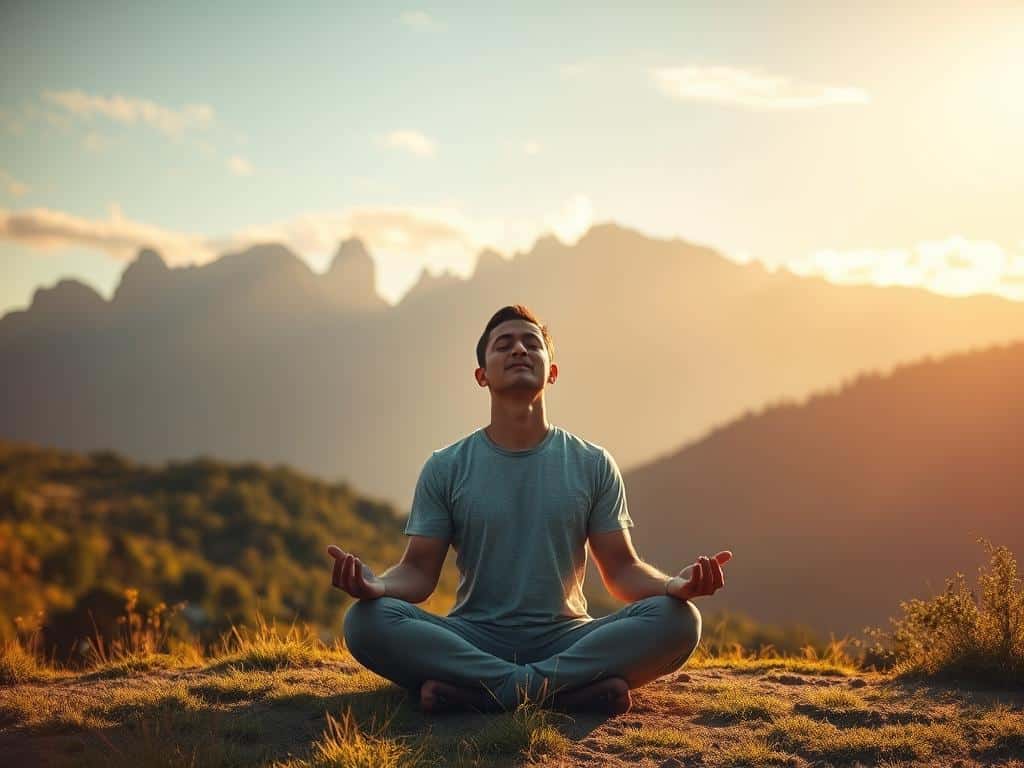
Life tests us with challenges that push our emotional limits. I’ve faced moments where fear and doubt seemed overwhelming. Yet, I learned that changing my mindset was key, not just my circumstances.
This journey taught me that mental resilience isn’t about fighting every storm. It’s about learning to sail through them with grace and determination. This mindset shift is vital for personal growth and lasting self-improvement. By using practical techniques, I found the strength to not just survive but thrive in tough times.
In this article, I’ll share seven ways to boost your mental toughness. We’ll look at how to embrace discomfort, set SMART goals, and practice gratitude. These strategies can change how we handle stress and adversity. Let’s explore how to live a life filled with purpose and resilience together.
Key Takeaways
- Mental toughness enhances adaptability and helps manage stress effectively.
- Practicing mindfulness can empower the ability to respond thoughtfully during challenges.
- Step out of your comfort zone to build resilience through new experiences.
- Journaling promotes self-awareness and emotional intelligence for personal growth.
- Self-compassion is key for navigating failures and developing emotional strength.
Understanding Mental Toughness and Its Importance
Mental toughness is key to our lives. It helps us stay focused and positive when things get tough. It’s like a mental muscle that grows with practice and experience.
The Definition of Mental Toughness
Mental toughness means handling stress well. It’s more than just being strong or determined. It’s about facing challenges head-on.
It lets us feel our emotions, which helps us grow stronger. Being open and honest with our feelings makes us mentally fit. Studies show that meditation boosts mental resilience over 30 days.
Why Mental Toughness Matters
Mental toughness is very important. It makes us emotionally stronger and helps us deal with setbacks. It boosts our performance in work and life.
It makes us more adaptable and open to change. It also improves our problem-solving skills. By building strong relationships and finding purpose, we grow mentally tough and hopeful.
How to Build Mental Resilience
Building mental resilience takes effort and strategy. Embracing discomfort is key, as it helps us face challenges boldly. By seeking out uncomfortable situations, we grow mentally stronger over time.
Embrace Discomfort
Doing things that challenge us helps us get used to discomfort. Studies show that facing our fears can lessen anxiety. By gradually increasing the difficulty of these challenges, we build our mental fortitude.
Set SMART Goals
Setting SMART goals helps us build mental resilience. These goals are clear, measurable, and achievable. Breaking big goals into smaller tasks boosts our confidence and prepares us for unexpected challenges.
Practice Gratitude
Practicing gratitude boosts our mental resilience. Keeping a gratitude journal helps us focus on the positive. This practice makes us more optimistic, reducing stress and increasing happiness.

Effective Strategies to Cultivate Mental Toughness
Building mental toughness takes effort and specific strategies. Mindfulness and challenging negative thoughts are two key methods. These practices have greatly improved my resilience and emotional stability.
Mindfulness and Meditation Practices
Mindfulness and meditation have greatly boosted my mental clarity and emotional control. These mindfulness practices calm the amygdala and lower cortisol levels. This leads to better emotional control and a sense of calm.
By meditating daily, I stay present and avoid excessive worry or regret. These practices are essential for mental toughness.
Challenge Negative Thoughts
Using Cognitive Behavioral Therapy (CBT) to challenge negative thoughts has changed how I face challenges. It helps me replace unhelpful thoughts with positive ones. This builds emotional strength and resilience.
It’s okay to struggle, and being kind to myself helps. This approach prepares me to tackle challenges with renewed purpose.
Conclusion
The path to mental toughness and resilience is ongoing. It needs my constant effort. Reflecting on the benefits, I see it helps me tackle challenges and grow emotionally. By using the strategies from this article, I can overcome obstacles and grow stronger.
Understanding myself and being flexible are key. Taking care of myself with sleep, food, exercise, and fun is important. Having strong relationships and a support system gives me emotional support and encouragement.
Building resilience is a skill I can develop. Mindfulness and meditation help me manage stress and find peace. This way, I’m ready to face uncertainty, build relationships, and advance in my career. Committing to resilience prepares me for life’s challenges.
