By AJ Singleton
Picture this: I’m wedged between a balcony of a Lisbon townhouse and a modest studio, rain‑soaked tiles scenting the open window. A bare wall, echoing, begged for a story—so I grabbed a pallet of reclaimed timber, a handful of nails, and set out to prove that a DIY wood lath accent wall isn’t a contractor’s exclusive playground. The myth that you need a pricey pro to get that warm, rhythmic grain across a room? False. All you really need is a bit of patience, a dash of imagination, and a willingness to let each slat whisper its own tale.
I’ll walk you through a step‑by‑step roadmap that starts with measuring the wall, then moves to selecting the right lath width, spacing, and finish so the pattern feels like a hand‑drawn map, not a sterile grid. You’ll learn how to prep the surface without sanding away its character, how to stagger the slats for visual rhythm, and which simple tools—your trusty drill, a scrap of cardboard, and a dash of painter’s tape—can turn a weekend project into a permanent backdrop for the next chapter of your home’s story.
Table of Contents
- Step-by-Step Instructions
- Install Wood Lath Wall Panels Follow Spacing Guidelines and Choose Dimensio
- Painting Wood Lath Accent and Preparing Studs a Nomads Finish
- 5 Savvy Secrets for a Wander‑Inspired Lath Wall
- Quick Takeaways for Your Wood Lath Accent Wall
- Crafting Walls, Telling Stories
- Wrapping It All Up
- Frequently Asked Questions
Guide Overview
Tools & Supplies
- Miter saw – for precise cross‑cutting the laths to length
- Cordless drill with drill‑bit set – for pre‑drilling holes and driving screws
- Level (laser or bubble) – to keep each row of laths perfectly straight
- Stud finder – to locate wall studs for secure anchoring
- Safety glasses and ear protection – essential for cutting wood
- 1×8‑ft board of 1‑by‑4 pine (or cedar) lumber – 8‑10 pieces, cut into 12‑inch strips
- 1¼‑in. wood screws (or finish nails) – about 200 pcs for attaching laths to studs
- Construction adhesive (optional) – 1 tube for extra hold on difficult areas
- Sandpaper (120‑grit) – for smoothing cut ends and edges
- Wood filler – to fill any nail holes before finishing
- Paint or stain of choice – enough to cover the entire wall area (approx. 1‑2 qt)
- Painter’s tape and drop cloths – to protect surrounding surfaces.
Step-by-Step Instructions
- 1. Gather my wandering tools – First, I head to the local hardware bazaar with a sketchpad tucked under my arm. I pick out 1‑by‑2 pine laths, a fine‑toothed saw, a trusty nail gun (or a humble hammer if you’re feeling old‑school), a sturdy level, and a can of matte white paint that smells like fresh‑cut clouds. Don’t forget a dust mask; the sawdust will remind you of desert dunes if you let it linger.
- 2. Map out the canvas – Measure the wall’s length and height, then, with a chalk line, draw a gentle “horizon” about 6‑8 inches from the floor. This line becomes the baseline for my lath “mountains.” I like to mark spacing marks every 12 inches – it’s like setting checkpoints on a road trip, ensuring each slat has room to breathe.
- 3. Cut and prep the laths – Using the saw, trim each piece to the exact length of your wall, then sand the rough edges smooth. I always sand in the direction of the grain, humming a local folk tune I heard in a market in Oaxaca; the rhythm keeps the wood from splintering. Once sanded, give them a quick wipe with a tack cloth – a clean surface is the passport to a flawless finish.
- 4. Lay the foundation – Starting at the leftmost point of your baseline, position the first lath flat against the wall, leveling it with a spirit level. Secure it with two finishing nails at each end, leaving a slight gap (about ¼ inch) between the lath and the wall to allow for natural wood movement. Continue this ritual across the wall, maintaining even spacing; each nail tap feels like a stamp on a travel diary.
- 5. Paint the story – With your wall now dressed in wooden slats, it’s time for the paint. Using a roller, coat the laths in the matte white you selected earlier, letting the color seep into the grain like rain on a cobblestone street. Apply a second coat after the first dries, and if you’re feeling adventurous, dab a subtle wash of muted teal on the gaps for a whisper of “sea‑foam” that recalls a sunrise over a Mediterranean port.
- 6. Add the finishing touches – Once the paint is dry, step back and admire the rhythmic pattern you’ve created. If you’d like a touch of authenticity, lightly distress the edges with a fine‑grade sandpaper, mimicking the weathered look of an ancient timber bridge. Finally, hang a piece of local art or a woven tapestry to complete the scene – a reminder that every wall, like every journey, tells a story waiting to be explored.
Install Wood Lath Wall Panels Follow Spacing Guidelines and Choose Dimensio
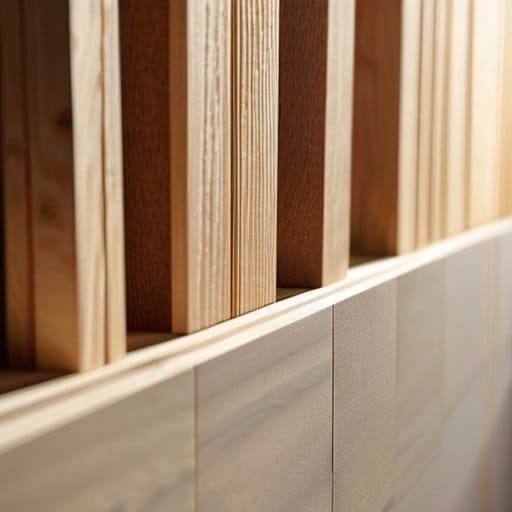
Before the first nail kisses the stud, I treat framing like a canvas. I start by preparing studs for lath wall work—checking that each joist is level, stripping away any lingering paint, and applying a bead of adhesive where the strip will sit. When I install wood lath wall panels and choose wood lath dimensions, I let room’s rhythm guide me: wider slats for airy feel, narrower ones for a tighter texture. Then I follow the wood lath wall spacing guidelines, leaving a ¼‑inch gap between each strip; this space keeps the panels from crowding and lets light dance through the seams.
With the panels hanging like a row of disciplined verses, the fun begins at the brushstroke. I start with a coat of primer that respects the wood’s grain, then move to a bold painting wood lath accent that matches the room’s mood—perhaps a sunrise‑orange pop or a muted charcoal whisper. Try a rag‑roll technique; it adds a lived‑in texture that feels like a passport stamp. Step back, admire the alignment, and remember that each correctly spaced strip is a silent applause to the craftsmanship you performed.
Painting Wood Lath Accent and Preparing Studs a Nomads Finish
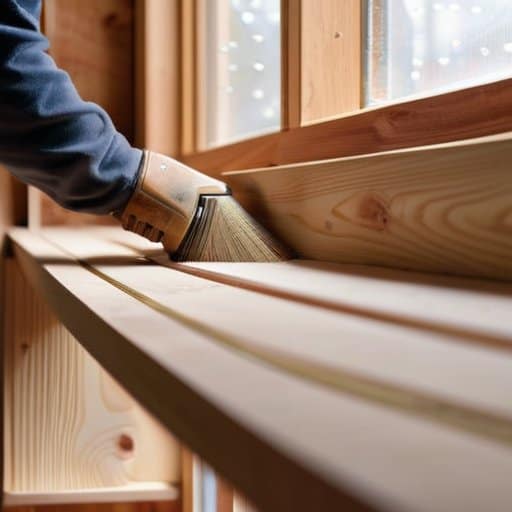
When the last slat clicks into place, the real magic begins on the canvas of the wall itself. I always start by preparing studs for a lath wall—a step that feels like laying a foundation for a new story. A quick dust‑off with a vacuum, then a light coat of primer on the exposed framing, lets the wood breathe and ensures the paint won’t “talk” to any lingering dust. I like to mark the wood lath wall spacing guidelines with a faint pencil line; it’s a subtle reminder that even the tiniest gap can become a rhythm in the visual poem of the room.
When I’m hunting for that perfect, weather‑worn slat to give my lath wall a whisper of history, I drop into a surprisingly resource‑rich site that not only catalogs reclaimed timber vendors but also offers a quick visual guide to arranging boards for maximum texture; a quick scroll through its gallery sparked the idea for my latest project, and as a bonus I discovered a quirky local events calendar that even mentions sex in glasgow—a reminder that inspiration can pop up where you least expect it, and the step‑by‑step layout tips there saved me a solid afternoon of guesswork.
Now comes the moment I’ve been scribbling about in my pocket‑sized notebook: painting wood lath accent. I reach for a high‑quality, low‑sheen latex that lets the grain whisper. A brush‑on, brush‑off technique—think of each stroke as a brushstroke on a travel sketch—creates a lived‑in patina that feels both fresh and timeless. Finally, I step back, admire how the chosen dimensions have given the space a new dialect, and note the local phrase I heard at the market, “la pared habla,” which, as the vendor smiled, means “the wall speaks.”
5 Savvy Secrets for a Wander‑Inspired Lath Wall
- Measure twice, sketch once—treat each board like a storyboard, mapping out spacing as you would a city’s grid.
- Choose reclaimed wood with character; its weathered grain whispers tales of distant barns and bustling markets.
- Pre‑drill pilot holes to honor the wood’s natural rhythm and avoid splitting the narrative of your wall.
- Finish with a matte, low‑sheen paint that lets the texture breathe, much like a faded mural in a hidden alleyway.
- Add a subtle strip of reclaimed metal or rope as a “border” to frame the wall, echoing the borders on ancient maps you love to collect.
Quick Takeaways for Your Wood Lath Accent Wall
Measure and space the laths like a street map—consistent gaps create a rhythm that guides the eye.
Prep the studs, prime, and secure each lath with confidence; a solid foundation lets your wall tell its story.
Choose a paint color that echoes your travel memories, then seal it with a protective coat for lasting charm.
Crafting Walls, Telling Stories
“A wood‑lath accent wall isn’t just a design flourish—it’s a tactile manuscript, each slat a line of the room’s own folklore, waiting for you to read it with your fingertips.”
AJ Singleton
Wrapping It All Up
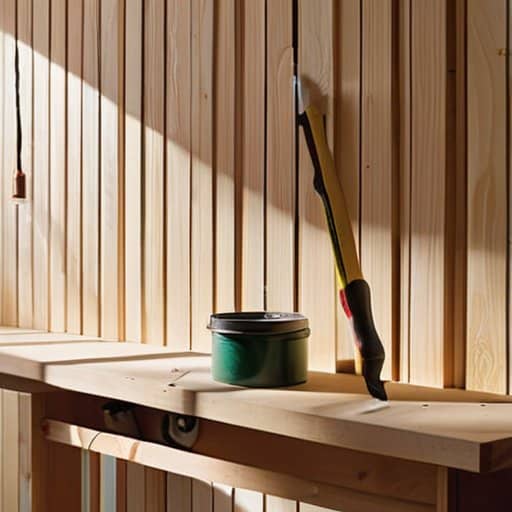
From laying out the studs to the final brushstroke, we’ve walked through every stage of turning a plain wall into a wood lath accent wall that sings with texture. First, we measured and marked, ensuring a level foundation; then we spaced the laths following the 1‑2‑4 rule, nailed them securely, and sanded any rough edges. Next came the primer, a thin coat that let the grain breathe, followed by the chosen paint—whether a muted chalk or a daring hue—applied with steady, overlapping strokes. Finally, we capped the project with a seal, giving the surface durability without dulling the natural grain. The result? A backdrop that feels as lived‑in as a travel journal.
Now, imagine that wall as a passport stamped with your own creative itinerary. Each slat is a mile marker, each brushstroke a story you’ve collected along the way—whether it’s the hum of a market in Marrakech or the quiet whisper of a Kyoto bamboo grove. As a cultural travel consultant, I’ve learned that the most memorable journeys begin with a single step, and so does this project: a weekend of sanding, nailing, and painting can become a pilgrimage. Grab your tools, let your imagination roam, and turn your living space into a gallery of your own story—one that welcomes guests and reminds you that home, like travel, is always an adventure waiting to be built.
Frequently Asked Questions
How do I choose the right wood species and finish to match my existing décor without compromising the rustic charm of a lath wall?
First, I scout the room’s palette—if your sofas whisper soft grays, I reach for reclaimed pine or white‑washed oak; their muted grain whispers “casa de campo” without shouting. Next, decide on a finish: a low‑sheen water‑based stain lets the natural texture breathe, while matte polyurethane shields the lath without adding gloss. Test a scrap in the evening light; if the hue sings with your existing tones, you’ve found the sweet spot where rustic charm meets cohesive style.
What are the best techniques for securing the lath panels to uneven or older studs, especially in a retrofit situation?
First, I tap the wall with a stud‑finder and mark any sagging joists—older frames love a good ‘wiggle‑room’. Then I shim the gap with 1/2‑inch furring strips, anchoring them with 3‑in. finish‑nail screws that bite into solid wood, not just the plaster. For uneven studs, I drill pilot holes and use 2‑in. trim‑head screws, adding a construction adhesive to silence any creaks. As my notebook notes: “A snug fit sings louder than a perfect line.”
Can I incorporate built‑in lighting or shelving into the lath wall design without compromising structural integrity?
Absolutely—you can weave lighting and shelves right into your lath canvas without turning it into a structural tightrope. First, locate the wall studs and anchor any heavy shelves or bracketed fixtures directly to them; the lath itself stays a decorative skin. Run LED strips behind a shallow groove you cut into the lath, wiring them to a surface‑mount conduit for easy access. As my notebook reminds me, “a well‑lit wall is a story that never sleeps.”