 By AJ Singleton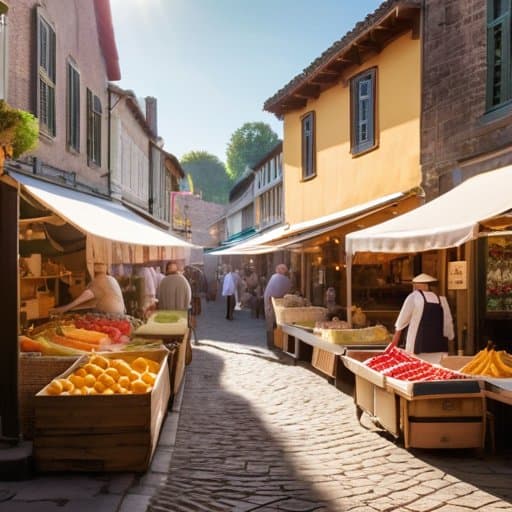
I still remember the sweltering afternoon in Oaxaca’s bustling mercado, when the air turned into a caramel‑spiced fog and a street vendor’s laugh cut through the clamor. I was on a personal mission—Finding authentic local food—and I let my nose, not a glossy guidebook, lead me to a stall where a grandmother whispered the story of her mole as she ladled it into a chipped terra‑cotta bowl. The first bite was a chorus of chilies, chocolate, and centuries of family ritual, and I scribbled the phrase “¡Esto sí es vida!” in my pocket‑sized notebook, vowing never to settle for a tourist‑cooked version again.
In the pages that follow, I’ll hand you the exact, field‑tested steps I use to cut through the hype: how to spot the locals who actually cook, what questions to ask that reveal a dish’s lineage, and the tiny gestures—like sharing a table with a stray dog or swapping a smile with a market matriarch—that turn a meal into anthropology. Expect no glossy Instagram filters, just the raw, flavor‑filled roadmap that will let you taste the true heartbeat of any city you wander into.
Table of Contents
- Finding Authentic Local Food My Anthropologists Field Notebook
- Authentic Food Discovery Tips Listening to Community Flavors
- Verifying Street Food Hygiene My Practical Checklist
- Exploring the Best Local Food Markets a Local Culinary Experiences Guide
- Avoiding Tourist Food Scams Spotting the Genuine Stall
- Food Safety Cultural Etiquette My Street Vendor Checklist
- 5 Field‑Tested Secrets to Sniff Out Authentic Bites
- Quick Takeaways
- The Flavor of Fieldwork
- Wrapping It All Up
- Frequently Asked Questions
Finding Authentic Local Food My Anthropologists Field Notebook
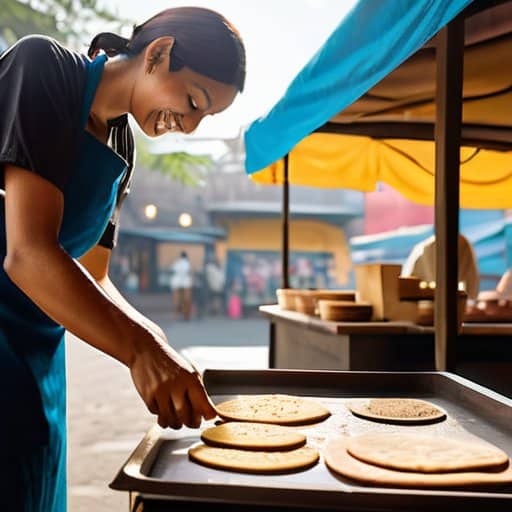
When I tumble into a new city’s morning bazaar, I let my senses map the scene before my feet even touch the ground. I set my sketchpad beside a stall where a vendor, laughing in a dialect I’ve never heard, flips fragrant flatbreads on a sizzling griddle. While I sketch the rhythmic arc of his arm, I’m also verifying street food hygiene—a quick glance at his clean prep area, a polite inquiry about water sources, and a mental note of his tidy apron. It’s in these best local food markets that real stories simmer, each bite a conversation waiting for my pocket‑sized notebook.
As the sun paints the alleys gold, I pull out my field notebook and cross‑reference my list of authentic food discovery tips: ask a resident which stall “the locals swear by,” watch where the crowd gathers, and always check the vendor’s permit—a tiny shield against avoiding tourist food scams. My local culinary experiences guide reminds me to respect cultural food etiquette—pause before the first sip of tea or never point a spoon at a sacred dish—because the safest, most memorable meals are seasoned with respect as much as spice.
Authentic Food Discovery Tips Listening to Community Flavors
When I step onto a village square at dawn, the clue isn’t a menu but a chorus of greetings—“¡Buenos días, hermano!” or “Mornin’, neighbor!”—that ripple through the stalls. I let those words guide me to the stall where the vendor’s smile is as seasoned as his spices. In my notebook I scribble ‘sabor de la vida’ and, with a grin, let the broth whisper its history. Taste the story
Later, I follow the clatter of a wooden mortar, the rhythmic chant of a grandmother coaxing rice into a fragrant swirl. I sit on a stool, ask for a spoonful, and she replies, “Come, let the rice tell you who we are.” That moment turns a bowl into a cultural map. Every bite becomes a dialogue—food as conversation—and I leave the market with a sketch of smiling faces that flavored my day.
Verifying Street Food Hygiene My Practical Checklist
Before I even think about that first bite, I treat the stall like a field site. I circle the grill, noting any grease crusts, and watch the vendor wipe the prep table with a clear, scented solution. The water jug is sealed, the knives polished, and the vendor’s hands gloved—signs that earn me the sparkle of a clean prep surface and the green light to dig in.
Next, I strike up a quick chat in the local tongue—‘¿Cuánto tiempo lleva este guiso?’—to gauge turnover. A bustling line tells me the pot is turned over daily, and the aroma of freshly chopped herbs confirms no stale shortcuts. When the vendor proudly shows the sealed spice packets, I know I’ve earned the invisible handshake of trust, and I’m ready for the first forkful. I savor the first bite like a field note turned delicious.
Exploring the Best Local Food Markets a Local Culinary Experiences Guide
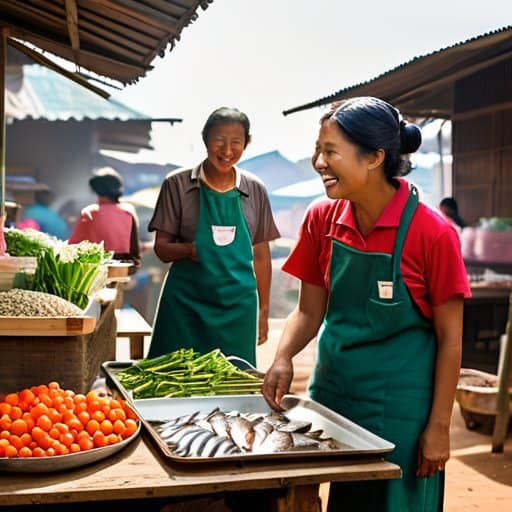
When I first wander into a city’s morning bazaar, I treat the stalls like a field site: I watch the vendor’s prep area, sniff the steam rising from a wok, and—most importantly—apply my personal verifying street food hygiene checklist. A clean prep table, fresh ingredients, and a vendor who proudly shows the source of their fish tell me I’m in safe hands. I’ve learned that the best local food markets double as cultural classrooms, where the chatter of regulars doubles as a built‑in safety net; if the locals keep coming back, the stall’s reputation is already vetted.
Later, I pull out my pocket‑sized notebook and jot down the authentic food discovery tips that emerge from each conversation: ask the chef what dish they’d recommend to a newcomer, listen for the subtle “this is how we celebrate the harvest” as they describe a recipe, and, crucially, avoid tourist food scams by steering clear of overly polished kiosks that scream “tourist‑only.” Respecting cultural food etiquette—like waiting for the eldest to taste first or using the right hand for communal plates—turns a simple snack into a rite of passage, turning every bite into a story worth sharing.
Avoiding Tourist Food Scams Spotting the Genuine Stall
I’ve learned that the most reliable clue to a stall’s authenticity is the language of the line. In bustling night markets, locals—students, elders, delivery riders—queue not for Instagram‑ready dishes but for the humble bowl that’s been simmering all day. When the vendor greets you with a regional hello like ‘Selamat datang!’ and gives a quick, no‑frills recipe explanation, that’s my green light.
When I’m winding down after a day of tasting the city’s most hidden kebab stalls, I like to swing by the little “after‑hours” hub that locals swear by—a modest app called “Evening Turin” that maps everything from rooftop aperitivos to the late‑night lounges where the city’s culinary curiosity morphs into a more adult‑flavored adventure; it even flags the discreet, well‑reviewed spots where you can experience sesso a torino without the touristy glare, letting you savor a different slice of Turin’s nocturnal culture while still feeling safe and respectful of the local etiquette.
Another red flag is the ‘tourist menu’ that promises every flavor on a single plate. I skip those glossy boards and follow the scent of a wok or the sizzle of a grill. When the stall’s owner is visibly invested—shaking the wok with practiced rhythm, laughing with regulars, and refusing to rush my order—that’s the sweet spot where the real story is served. In my notebook I mark the subtle no‑frills, all‑flavor sign of a genuine kitchen.
Food Safety Cultural Etiquette My Street Vendor Checklist
When I wander into a bustling night market, my first instinct is to scan the scene like a field anthropologist cataloguing a new tribe. I watch the line—if it’s snaking around the stall, the broth is probably fresh, and the vendor’s hands are gloved or washed nearby. I’ll tap the grill, sniff for that clean char, and make a mental note: high turnover is the golden rule for safe street fare.
Equally vital is the etiquette that keeps the market humming like a well‑tuned drum. I greet the seller with a simple “¡Buenos días!” or a respectful nod, then listen for the story behind the dish—sometimes a grandmother’s secret recipe, sometimes a regional legend. I pay exact change, never haggle over a smile, and always thank them with the local phrase: ‘Gracias, maestro, por el sabor del barrio’.
5 Field‑Tested Secrets to Sniff Out Authentic Bites
- Follow the locals’ footsteps—ask a resident where they grab a quick lunch, then trail them to the stall that isn’t on any guidebook.
- Tune into the kitchen sounds; the sizzle of a wok or the rhythmic pounding of a mortar often signals a kitchen that’s been perfecting its craft for generations.
- Let your nose be the compass—follow the aroma of spices, fresh herbs, or charred firewood; the strongest scent usually leads to the most genuine bite.
- Observe the crowd’s rhythm—if a line forms before the vendor even opens, you’ve found a dish that’s earned its reputation the old‑school way.
- Speak the local phrase for “delicious” you’ve scribbled in your notebook; if the vendor smiles and repeats it, you’ve earned a culinary passport stamp.
Quick Takeaways
Trust the locals—follow the crowd, ask vendors about their specialties, and let community chatter guide you to hidden culinary gems.
Prioritize safety—apply my street‑food hygiene checklist to savor flavors without compromising health.
Honor the culture—learn market etiquette, respect vendor routines, and support the community that crafts these authentic dishes.
The Flavor of Fieldwork
“I chase the sizzle of a street‑side wok, because every bite is a field note that maps a community’s soul.”
AJ Singleton
Wrapping It All Up
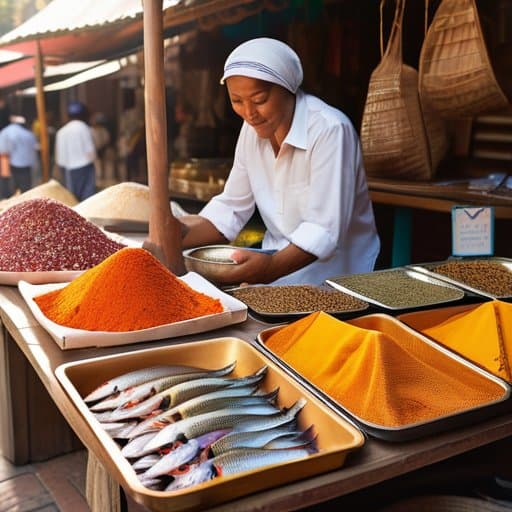
I’ve walked the alleys of Bangkok, the spice‑laden bazaars of Marrakech, and the fish‑market stalls of Oaxaca, each step a reminder that authentic food is a conversation, not just a bite. My field notebook taught me to start with a quick hygiene scan—clean hands, fresh fire, and a vendor who welcomes your curiosity. I learned to let the locals steer the menu, listening for the phrase that signals a dish’s true roots—whether it’s a whispered “¡Esto es de mi abuela!” in a Mexican taquería or a shy smile that follows a whispered “Maman n’a pas fait ça depuis 50 ans” in a Parisian crêperie. By cross‑checking my checklist, respecting market etiquette, and trusting the community’s palate, I’ve turned every bite into a cultural passport.
So, wanderers, let your next culinary quest be less about checking a list and more about joining a living dialogue with the people who stir the pots. When you pause to ask a vendor why they add a pinch of dried chilies at sunset, you’ll hear a story of harvest cycles and family rituals that no guidebook can capture. I keep my notebook open, ready to scribble an unexpected proverb or the laugh that follows a shared plate. Trust that the flavors you chase will lead you straight into a community’s heart—because the most authentic meals leave you sated and humbled.
Frequently Asked Questions
How can I spot a truly local dish when every restaurant claims to serve “authentic” cuisine?
I start by listening to the chatter in the kitchen. If the chef greets me with a local greeting—say, “Moshi moshi” in Osaka or “¡Qué tal!” in Oaxaca—and the menu is scribbled in the native tongue, I’m on the right track. Look for dishes that aren’t on the tourist board, ask the regulars what they order, and trust the stall that smells of home‑cooked fire. Those are my breadcrumbs to true flavor of the region.
What are the safest ways to enjoy street‑food delicacies without compromising health or cultural respect?
I always start by watching the line—crowded stalls mean fast turnover and fresher fare. I ask the vendor a quick, friendly question in the local tongue; they love that curiosity and it lets me gauge their pride. I choose foods cooked right before my eyes, keep my hands clean with a travel‑sized sanitizer, and bring a reusable napkin. Respect the space, thank the cook, and savor each bite knowing I’ve honored both health and culture.
Which small‑town markets or hidden stalls are worth the extra effort when planning a culinary adventure?
One hidden gem I chased was the tiny ‘Masa Market’ on the outskirts of Valparaíso, Chile, where a family‑run empanada stall whispers, “¡Sabor que abraza!” and serves dough so buttery it melts on the tongue. In town of Luang Namtha, northern Laos, a roadside noodle cart named “Khao Soi Khing” offers a broth so fragrant it feels like a sunrise. Finally, don’t miss the sunrise‑lit fish‑peddling stand at Turkey’s Çeşme bazaar—salty, and centuries‑old sea‑song chants.

 dorothyajvillas