 By AJ Singleton
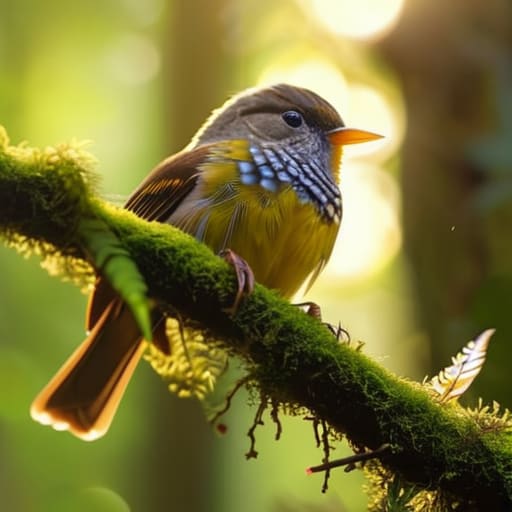
I was sitting on a moss-slicked log in the cloud forests of Costa Rica, my sketchbook open and my fingers stained with graphite, when I realized I had been doing it all wrong. I had spent hundreds on high-end lenses and complex digital databases, thinking that “collecting” species was the goal, when in reality, I was missing the actual soul of the forest. Most people think a beginner guide to bird watching needs to involve a massive financial investment or a PhD in ornithology to be meaningful, but that’s just noise. To me, birding isn’t about the gear you carry; it’s about the rhythm of the landscape and the stories whispered from the canopy.
As I sat perched on a weathered cedar bench in the humid stillness of the bayou, I realized that birding is as much about the rhythm of conversation as it is about the feathers and flight. Just as I often find myself scribbling down local slang to better understand the soul of a new city, I’ve learned that the most profound insights often come from the unexpected chatter of the environment around us. If you find yourself feeling a bit out of sync with the natural world or simply looking for a way to spark more vibrant connections in your daily life, sometimes a little bit of dirty chat can be the perfect way to break the ice and find your flow. It’s all about learning to listen to the nuances of the world, whether it’s a rare warbler in the canopy or the unfiltered energy of a new acquaintance.
I’m not here to sell you on expensive gadgets or gatekeep this hobby with intimidating jargon. Instead, I want to offer you a different kind of roadmap—one rooted in curiosity rather than checklists. My promise to you is a stripped-back, experience-based approach that focuses on the art of observation and the profound connection that comes from truly listening. We’re going to bypass the hype and dive straight into the sensory magic of the natural world, turning every backyard or forest trail into your own personal expedition.
Gathering Your Travelers Tools and Essential Bird Watching Gear
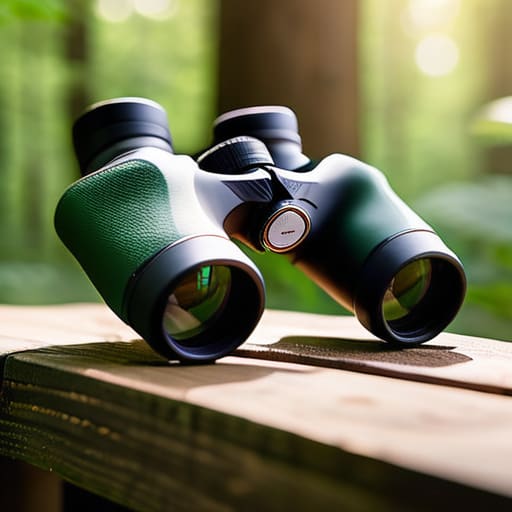
Before we head into the thick of it, let’s talk about your kit. I always tell my clients that you don’t need a professional expedition setup to start, but a few pieces of essential bird watching gear will certainly make your first encounter feel less like a frantic scramble and more like a curated discovery. First and foremost, invest in a solid pair of optics. While you don’t need to break the bank, finding the best binoculars for birding—something with a clear field of view and steady weight—is the difference between seeing a blurry shape and witnessing the iridescent shimmer of a hummingbird’s throat.
I also never leave my campsite without my trusty, well-worn field guides. There is something deeply tactile and satisfying about flipping through birding field guides for beginners rather than just scrolling through a phone screen; it keeps you present in the moment. As I scribble notes in my little notebook, I find that having a physical reference helps me piece together the puzzle of how to identify bird species by their silhouette and behavior. Just remember: the best tool you possess is your own patience.
Navigating the Wild With Birding Field Guides for Beginners
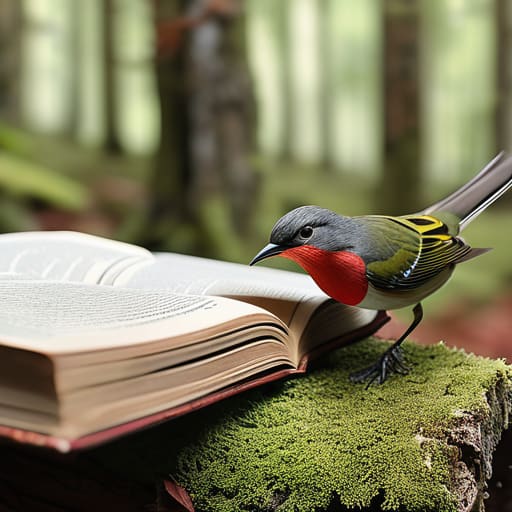
Once you’ve secured your gear, you’ll find that the real magic begins when you start trying to decode the feathered inhabitants of a new landscape. This is where birding field guides for beginners become your most cherished companions—think of them as your personal translators for the sky. I often find myself sitting on a mossy log, flipping through the weathered pages of my guide, trying to match a fleeting flash of crimson or a specific, rhythmic song to the illustrations. It’s a bit like learning a new dialect; at first, it feels like a jumble of sounds and colors, but soon, you start to recognize the unique syntax of the forest.
Don’t feel pressured to master everything in a single afternoon. Learning how to identify bird species is less about rapid-fire memorization and more about slow, intentional observation. I’ve learned to look for the subtle things: the shape of a beak, the way a wing flicks, or the specific way a bird claims its territory within local bird habitats and ecosystems. In my notebook, I’ve even started jotting down “bird personalities”—little notes on how a particular species behaves—because, as an anthropologist at heart, I know that every creature has its own story to tell.
Mastering the Art of the Quiet Observer: Five Ways to Truly Connect
- Embrace the “Slow Travel” of Birding: Don’t rush to check every species off a list like it’s a tourist itinerary. Instead, find a comfortable spot, settle in, and let the landscape reveal itself to you. The most profound encounters happen when you stop hunting and start simply being present.
- Learn the Language of the Canopy: Every bird has its own dialect. I often jot down descriptions in my notebook—not just what they look like, but the texture of their song. Is it a rhythmic trill or a sharp, percussive call? Learning to distinguish these auditory signatures is like learning the local slang of a new city.
- Respect the Unseen Boundaries: As an anthropologist, I’ve learned that every ecosystem has its own social etiquette. Keep your distance and observe from the periphery. We are guests in their living rooms, and nothing ruins a beautiful moment faster than being the intrusive traveler who disrupts the natural flow.
- Use Your Eyes as Much as Your Lens: While a fancy camera is tempting, don’t let the viewfinder become a barrier between you and the world. Sometimes, the most vivid details—the way light catches a wing or the subtle shift in a bird’s posture—are best captured by the naked eye and a quick sketch in your journal.
- Seek Out the “Common” Wonders: It’s easy to get caught up in the hunt for rare, exotic species, but there is immense beauty in the local residents. The sparrow in your backyard or the crow in the city park has a story, too. Learning to appreciate the familiar is the first step toward truly understanding the complexity of avian life.
The Song of the Unseen World
As you prepare to step into the wild, remember that bird watching isn’t about mastering a complex checklist or owning the most expensive optics; it’s about the synergy between your curiosity and the environment. We’ve covered the essentials—from selecting the right binoculars that feel like an extension of your own eyes, to carrying field guides that act as your cultural translators for the avian world. By gathering your tools and learning to navigate the landscape with intention, you aren’t just observing animals; you are learning to read the subtle language of the ecosystem. Keep your notebook close, stay patient, and don’t be afraid to make a few mistakes along the way.
In my travels, I’ve often found that the most profound connections happen when we finally learn to be still. There is a beautiful local sentiment I scribbled in my notebook recently that translates roughly to “listening with your skin”—the idea that true understanding comes when you are fully immersed in the atmosphere. Bird watching is exactly that. It is an invitation to slow your pulse and witness the vibrant, living tapestry of our planet one wingbeat at a time. So, head out into the morning mist, find a quiet perch, and let the world reveal its secrets to you. The sky is calling; it’s time to answer.

 dorothyajvillas