 By AJ Singleton
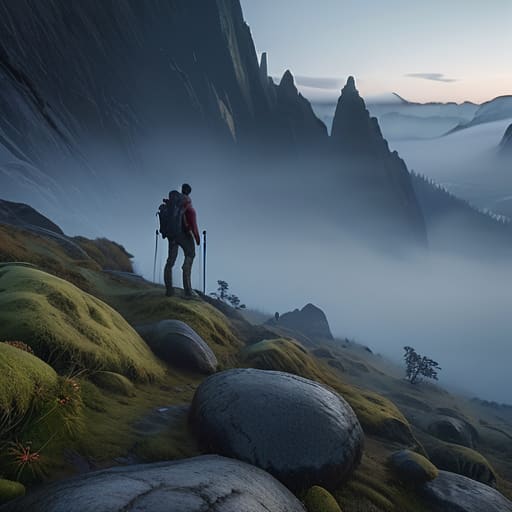
The smell of damp cedar and the biting chill of a sudden Andean mist still haunt my dreams, serving as a visceral reminder of the time I thought a fancy GPS and a designer jacket could substitute for actual preparation. I was sitting on a jagged ridge, shivering and staring at a map that felt like a foreign language, realizing that I had fallen victim to the very same common mistakes when planning wilderness treks that I now see so many travelers stumble into. It wasn’t a lack of gear that nearly broke me; it was a lack of cultural and environmental respect for the landscape I was so eager to conquer.
I’m not here to sell you a subscription to some overpriced survivalist seminar or tell you that you need every shiny gadget on the market. Instead, I want to share the hard-won lessons I’ve gathered from my notebook—the ones learned through bruised shins and long, contemplative nights under the stars. I promise to guide you through the authentic pitfalls of expedition planning, focusing on the nuanced details that transform a chaotic struggle into a profound, soulful connection with the wild.
The Heavy Burden Avoiding the Pitfall of Packing Too Much Weight for Hiking
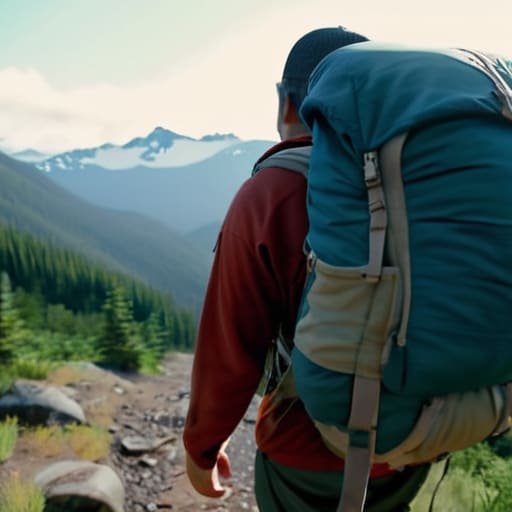
I remember my first solo trek through the Cascades; I felt like a walking museum of “just-in-case” items. I had every gadget imaginable, thinking I was being prepared, but by mile ten, my shoulders were screaming a different language. In my little notebook, I scribbled a phrase I’d heard from a local guide: “No cargues el mundo sobre tus hombros”—don’t carry the world on your shoulders. It was a literal truth. Packing too much weight for hiking isn’t just a physical inconvenience; it’s a psychological drain that pulls you away from the very landscape you came to admire.
When you’re bogged down by excess, you lose the agility needed for true backcountry trip preparation errors to be corrected on the fly. You become so focused on the ache in your lower back that you stop noticing the subtle shift in the wind or the way the light hits the granite peaks. Instead of hauling a heavy library of “what-ifs,” focus on your wilderness survival gear essentials—the lean, mean, functional kit that keeps you safe without turning your trek into a grueling chore of endurance rather than an act of discovery.
Lost in Translation Navigating Trail Navigation Mistakes and Route Planning
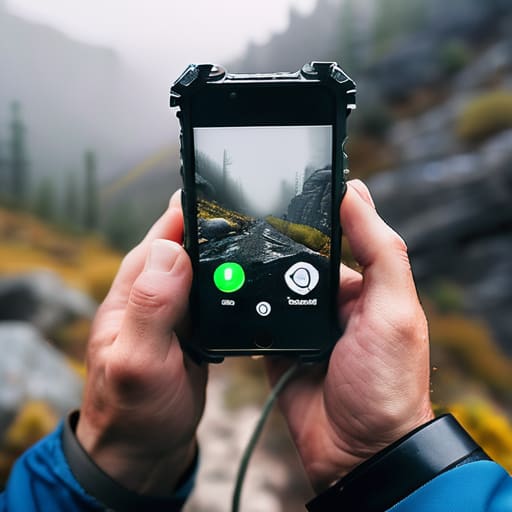
There is a particular kind of vertigo that sets in when the trail beneath your boots suddenly dissolves into a tangle of unmarked scrub and granite. I remember a misty afternoon in the Cascades when I realized my map didn’t match the skyline, and my heart did a frantic little dance against my ribs. One of the most frequent backcountry trip preparation errors I see isn’t a lack of courage, but a misplaced reliance on digital certainty. We’ve become so tethered to our glowing screens that we often forget that batteries die and signals vanish precisely when you need them most.
Effective route planning for remote areas requires a marriage of digital convenience and old-school tactile wisdom. It’s about more than just drawing a line from point A to point B; it’s about understanding the topography and the rhythm of the land. I always tell my clients to treat their paper maps like an old friend—someone you don’t ignore just because you’ve met someone newer and flashier. Relying solely on a GPS without understanding the nuances of the terrain is a gamble that the wilderness rarely rewards.
Beyond the Trailhead: Small Oversights That Can Change Everything
- Don’t fall into the “fair-weather” trap by ignoring the local rhythm of the elements. I once saw a group of seasoned hikers get caught in a sudden mountain squall because they only checked the morning forecast; always look for the micro-climates and the subtle shifts in wind that the big apps often miss.
- Respect the local lore regarding water sources. It’s easy to assume a rushing stream is pure, but as I’ve noted in my little notebook, “the clearest water often hides the deepest secrets”—meaning, never trust a source without proper filtration, regardless of how pristine it looks to the naked eye.
- Avoid the mistake of treating a trek like a solo sprint. Even if you’re an experienced adventurer, failing to leave a detailed, time-stamped itinerary with someone back home is a massive gamble; true exploration thrives when there’s a safety net waiting for your return.
- Don’t let “gear envy” dictate your kit. It’s tempting to buy every shiny new gadget, but I’ve found that over-reliance on complex technology can actually disconnect you from the terrain; stick to the fundamentals and ensure you actually know how to use every single piece of equipment before you step off the pavement.
- Never underestimate the mental fatigue of the “middle miles.” Many planners focus heavily on the physical ascent and descent but forget to account for the psychological toll of sustained isolation; make sure your plan includes intentional moments for stillness to keep your spirit as resilient as your boots.
The Path Ahead: Beyond the Mistakes
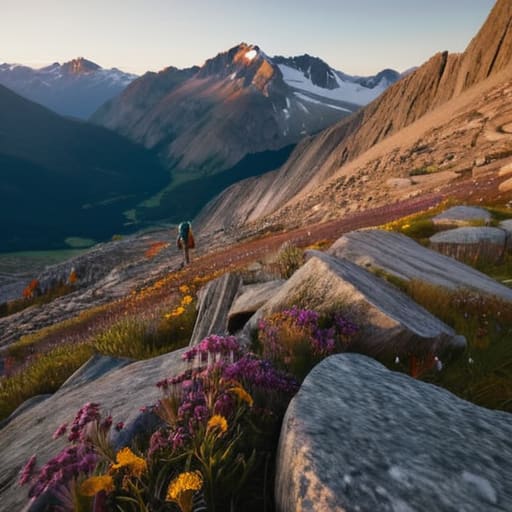
As I sit here in a small mountain outpost, sketching the jagged silhouette of the peaks against a bruised purple sunset, I’m reminded that every trek is a delicate dance between preparation and surrender. We’ve talked about the physical toll of a heavy pack and the mental fog of poor navigation, but these are more than just logistical hurdles; they are the things that can pull you out of the moment. When you spend your energy fighting your gear or wrestling with a map, you lose that precious connection to the rhythm of the wild. By stripping away the excess and sharpening your focus on the route, you aren’t just avoiding danger—you are clearing the way for true discovery.
Ultimately, the wilderness isn’t something to be conquered or “managed” through a checklist; it is a living, breathing entity that asks us to show up with respect and humility. Don’t let the fear of making a mistake keep you from the trailhead, but let it be the quiet whisper that encourages you to prepare with intention. There is a profound, soul-stirring magic that happens when you finally step into that vast, untamed space and realize you are exactly where you are meant to be. So, pack light, plan well, and keep your eyes wide open—the untold stories of the earth are waiting just beyond the next ridge.
Beyond the physical logistics of maps and gear, there’s a certain emotional readiness you need to cultivate before stepping into the silence of the backcountry. I’ve often found that the most profound mistakes aren’t made with a compass, but in failing to prepare our minds for the isolation and the raw, unfiltered reality of nature. If you find yourself feeling a bit restless or seeking a different kind of connection while navigating these transitions, sometimes looking for unexpected community or even checking out resources like granny looking for sex can be a way people explore their own shifting desires and social needs outside the trail. Ultimately, the goal is to arrive in the wild feeling truly centered, ensuring your spirit is as prepared as your backpack for the journey ahead.

 dorothyajvillas