 By dorothyajvillas
Once, I couldn’t imagine starting my day without coffee. The smell and taste were more than just a habit; they were essential for my energy. But, over time, I became too dependent on caffeine. Skipping my morning coffee led to withdrawal symptoms.
I learned that listening to my body and finding balance is important. If you’re tired of feeling tired and irritable from too much caffeine, you’re not alone. There are ways to feel energized without the caffeine crash.
In this article, I’ll share easy steps to cut down on caffeine. You can stay alert and full of energy with healthier choices. Let’s find out how to reduce caffeine and boost our energy naturally.
Key Takeaways
- Gradually reduce caffeine intake to avoid withdrawal symptoms.
- Substitute high-caffeine drinks for lower-caffeine alternatives.
- Stay hydrated by drinking water to reduce cravings.
- Set time limits on caffeine consumption to protect sleep quality.
- Be mindful of hidden sources of caffeine in foods and medications.
- Incorporate low-intensity exercise as an alternative for energy boosts.
- Take short naps for an effective way to maintain alertness.
Understanding Caffeine Dependence
Caffeine is a stimulant that helps us stay alert and fight off tiredness. In the U.S., over 90% of adults drink caffeine every day. They usually have about 200 mg of it daily. Caffeine blocks adenosine receptors in the brain, making us feel more awake.
Many people enjoy the energy boost it gives. But, it’s important to know about caffeine dependence.
What is Caffeine and How Does it Work?
Caffeine blocks adenosine receptors, which makes us feel more alert. It also helps our brains work better. But, regular use can make us need more to feel the same effect.
About 11-14% of regular users become dependent on it. This can make it hard for them to manage their caffeine use.
Effects of Caffeine on the Body
Caffeine can give us more energy and help us focus. But, it can also have health risks. Stopping caffeine use suddenly can cause headaches and tiredness.
Knowing these side effects is key, mainly for those who get used to it. The American Psychiatric Association doesn’t call caffeine addiction a disorder. But, the World Health Organization does. The DSM-5 also recognizes Caffeine Use Disorder, based on tolerance and withdrawal.
How to Reduce Caffeine Intake Gradually
Reducing caffeine intake needs a careful plan. I start by checking how much caffeine I drink each day. I look at food labels to find hidden caffeine in foods like chocolate and drinks. Common sources include coffee, tea, and energy drinks.
Assess Your Current Caffeine Consumption
Knowing how much caffeine I drink is key. I check the caffeine in my favorite drinks. For example, a mug of coffee has about 140 mg of caffeine. Herbal teas have much less.
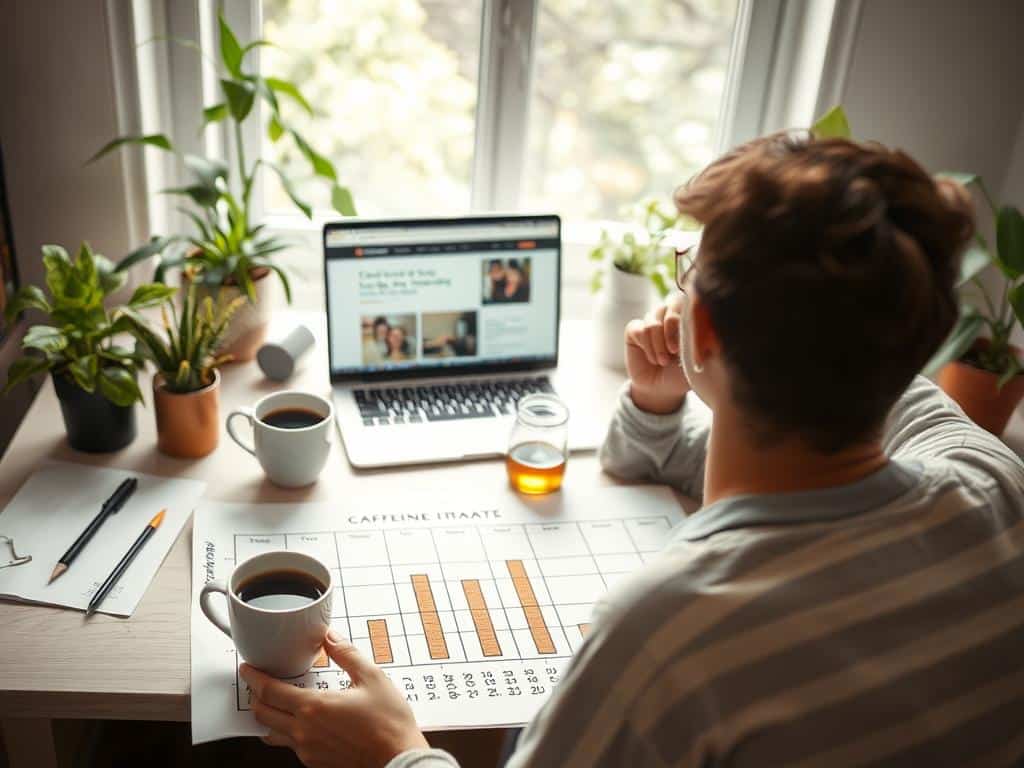
Keeping a journal of my caffeine intake helps me see my habits. This is the first step to making changes.
Implement Small Changes
Reducing caffeine means making small changes. I start by choosing decaf options or herbal teas. Cutting back on coffee breaks is also helpful.
Using half-decaf and half-regular coffee helps me adjust slowly. This way, I find enjoyable coffee alternatives without caffeine.
Stay Hydrated
Drinking enough water is important for reducing caffeine needs. Drinking more water helps fight fatigue. Dehydration can make us feel tired.
Instead of coffee, I take short walks or stretch. This boosts my energy. Drinking water improves my energy and well-being, making it easier to live without caffeine.
Conclusion
Starting to cut down on caffeine can seem tough at first. But, by setting achievable goals, it becomes easier over time. The key is to make small changes slowly and be aware of them.
By understanding how caffeine affects me and tracking my intake, I can make a plan that suits me. This helps me stay on track and see progress.
Making small swaps, like drinking herbal tea instead of coffee, has helped me reduce caffeine. It also brought health benefits like more energy and less anxiety. It’s important to notice and appreciate these changes.
As I reduce my caffeine use, I see big benefits like better sleep and steady energy all day. This journey shows that slow changes are better than quick fixes. It helps me live a healthier life in a way that lasts.

 AJ Singleton