 By dorothyajvillas
Ever felt that swollen feeling in your stomach after eating? It’s like your clothes are tighter, and you wish for relief. Bloating isn’t just a physical issue; it affects our mood and daily life. It makes simple things, like eating, feel like a challenge.
But you’re not alone in this battle. Many of us deal with bloating, often due to what we eat or how we live. The good news is that there are natural ways to fight bloating. In this article, I’ll share seven effective methods that focus on digestive health and include foods that are good for your gut. These can help you feel better fast, giving you back your comfort and confidence. Let’s explore how to naturally improve our digestive health!
Key Takeaways
- Bloating can have a significant impact on daily life.
- Understanding your body’s signals is key for digestive health.
- Natural remedies can effectively ease bloating discomfort.
- Gut-friendly foods are important in reducing symptoms.
- Adopting healthier habits can improve our well-being.
Understanding Bloating and Its Causes
Feeling bloated can be really uncomfortable. It makes my stomach feel tight and swollen. This happens when gas builds up in my gut.
The Experience of Bloating
Bloating reminds me how sensitive my stomach is. It feels tight and full, a common feeling for many. This is mainly because of the extra gas made during digestion.
It can make me feel really uncomfortable, often after eating certain foods.
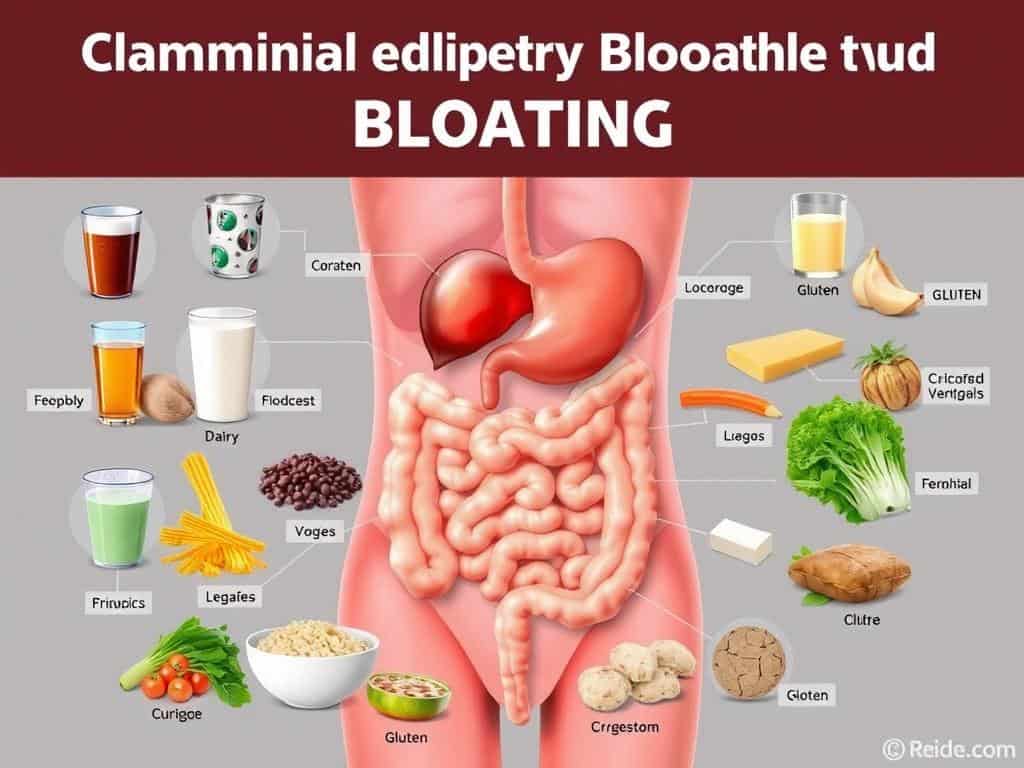
Common Triggers for Bloating
Many things can cause bloating. Big meals and foods that make gas are big culprits. Food allergies like lactose and fructose make it worse.
Issues like constipation and what I eat also play a part. Hormonal changes can make it even worse. For example, changes during my period can cause water retention, making me feel bloated. Drinks with carbonation add gas to the mix too.
How to Reduce Bloating Naturally
Many people deal with bloating, which can really mess up your day. I’ve found that small changes in your life can help a lot. Making a few simple changes in what you eat and how you exercise can really help your digestive system.
Exercise Regularly
Being active is good for your digestive health. I like to do light exercises like walking or stretching. These activities help with digestion and getting rid of gas. Exercise also helps keep your bowel movements regular and can make you feel less bloated.
Boil Some Peppermint Tea
Peppermint tea is a great way to fight bloating. Peppermint relaxes your digestive system. Drinking it can help move gas along and ease discomfort. It’s also nice to have a warm cup that helps you relax and detox.
Consider a Low-FODMAP Diet
Looking into a low-FODMAP diet might help you find out what foods cause bloating. This diet cuts out foods that can make you feel bloated. By avoiding foods like beans and some veggies, I’ve been able to control my bloating and improve my digestion.
Stay Hydrated with Water
Drinking enough water is key for good digestion. I drink water all day to help food move through my system. Staying hydrated prevents constipation and bloating. It’s good to drink water when you eat to avoid swallowing too much air.
Conclusion
Dealing with bloating can be tough, but natural remedies can help. Regular exercise, herbal teas like peppermint or ginger, and a low-FODMAP diet are key. A low-FODMAP diet has been shown to greatly reduce bloating in many IBS patients.
For lasting relief, making lifestyle changes is essential. Avoiding trigger foods, eating mindfully, and managing stress are important. Stress-reducing activities like yoga or deep breathing can also help. Plus, probiotics in foods like yogurt and fermented veggies can balance gut bacteria and ease bloating.
I’ve found that sticking to these remedies daily makes a big difference. I suggest others do the same for a healthier, more comfortable life. Remember, patience and persistence are vital for lasting results in beating bloating and improving overall health.

 AJ Singleton