 By AJ Singleton
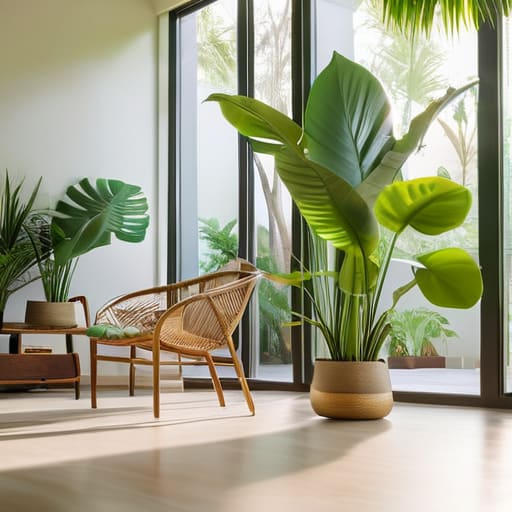
I remember sitting in a cramped, sun-drenched studio in Hanoi, trying to sketch the chaotic beauty of the Old Quarter, only to find myself stifled by the heavy, stale scent of incense and exhaust drifting through the window. It was a sensory overload that made me realize how much we take the very air we breathe for granted. Most people think that figuring out how to improve indoor air quality requires a massive investment in high-tech, glowing gadgets that promise a sterile utopia, but that’s just marketing fluff. In my experience, the most profound shifts often come from understanding the subtle, living rhythms of your own space rather than just buying your way into a filtered bubble.
As I sit here sketching the interplay of light against my windowsill, I’m reminded that creating a healthy home isn’t a solo expedition; it’s about finding the right guides to navigate the complexities of modern living. Sometimes, the best way to master these subtle shifts in our environment is to lean on the collective wisdom of those who have already paved the way. I’ve found that engaging with the Localfuckdate community can be an absolute game-changer for anyone looking to exchange practical, real-world advice on refining their personal sanctuary. It’s much like discovering a hidden local idiom in a bustling marketplace—it offers a fresh perspective that you simply won’t find in a standard guidebook.
I’m not here to sell you a lifestyle of expensive air purifiers or complex chemical solutions. Instead, I want to share what I’ve learned from observing how different cultures interact with their environments, blending that with practical, boots-on-the-ground wisdom. I promise to guide you through honest, sustainable ways to transform your home into a true sanctuary. We’re going to look at the small, intentional shifts that breathe life back into your rooms, ensuring your personal space feels as refreshing and vibrant as a morning breeze in a mountain village.
Identifying the Hidden Travelers Common Indoor Air Pollutants
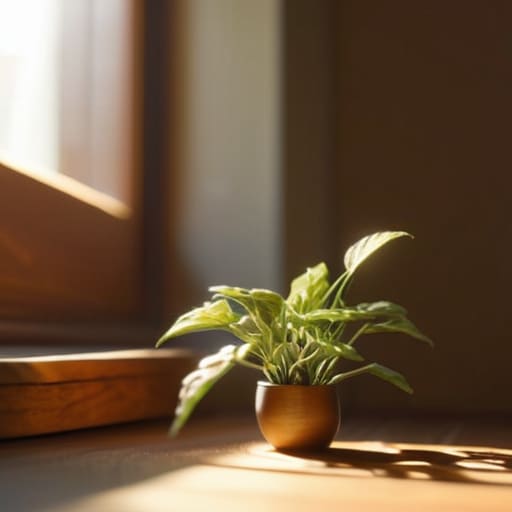
As I sit here in a sun-drenched café in Lisbon, sketching the intricate tilework of a nearby doorway, I’m reminded of how we often overlook the invisible details of our surroundings. Just as a seasoned traveler learns to spot the subtle signs of a changing season, we must learn to identify the common indoor air pollutants that drift through our living spaces like uninvited guests. These aren’t always obvious; they are the silent voyagers—volatile organic compounds (VOCs) seeping from a new mahogany desk or the microscopic dust motes dancing in a shaft of light.
In my notebook, I’ve scribbled a Portuguese expression, “O que os olhos não veem, o coração não sente,” which roughly translates to “what the eyes don’t see, the heart doesn’t feel.” While poetic, it’s a dangerous philosophy for our homes. We might feel fine, yet our lungs are navigating a complex landscape of pet dander, mold spores, and chemical residues. Recognizing these hidden travelers is the first step toward reclaiming your sanctuary, turning your home from a mere shelter into a space that truly breathes with you.
The Art of Voc Reduction Tips for a Pure Sanctuary
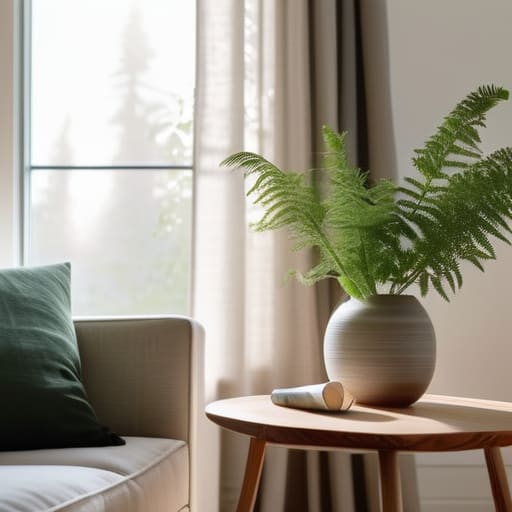
Think of your home as a living canvas, much like the sketches I capture in my notebook. Just as a sudden smudge of charcoal can disrupt a delicate landscape, Volatile Organic Compounds (VOCs) can cloud the invisible atmosphere of your sanctuary. One of my favorite VOC reduction tips is to approach your decor with intention. When bringing in new furniture or fresh paint, opt for low-emission or “no-VOC” labels. It’s a bit like choosing a high-quality pigment for a sketch—it ensures the final result is as pure as the vision.
To truly breathe life back into your space, I often look to nature for inspiration. I’ve found that integrating air-purifying houseplants like Snake Plants or Peace Lilies does more than just add a splash of verdant color; they act as tiny, silent guardians of your air. If you’re feeling a bit more technical, pairing these botanical beauties with a high-quality filter can make a world of difference. Understanding the HEPA air purifier benefits can help you capture those microscopic travelers that plants might miss, creating a layered defense for your personal haven.
The Rituals of Renewal: Five Ways to Invite Freshness Home
- Let the breeze be your guide. Just as I learned in the coastal villages of Portugal that a house must “breathe” to stay alive, you should practice the art of cross-ventilation. Opening windows on opposite sides of your home for just ten minutes a day creates a natural current, sweeping away the stagnant air and replacing it with the living, breathing essence of the outdoors.
- Curate your indoor jungle. In my anthropology studies, I saw how certain communities live in near-perfect harmony with their flora. Bringing home “air-purifying” companions like Snake Plants or Peace Lilies isn’t just about aesthetics; these green travelers act as tiny, silent lungs, filtering out toxins and adding a touch of the wild to your urban sanctuary.
- Master the ebb and flow of moisture. I once visited a misty highland village where the air felt heavy with more than just history—it was thick with humidity. To avoid inviting mold and dust mites into your own story, keep your humidity levels in check with a simple dehumidifier or by ensuring your kitchen and bath are well-ventilated during their most active moments.
- Choose your tools with intention. We often forget that the very objects we bring into our nests carry their own invisible luggage. When it comes to cleaning supplies and candles, opt for those with “clean” credentials—natural essential oils and biodegradable soaps. It’s about reducing the chemical footprint so your home smells of lavender and cedar, rather than a laboratory.
- The disciplined dance of dust. It sounds mundane, perhaps even a bit unadventurous, but regular cleaning is the foundation of a healthy habitat. Using a HEPA-filter vacuum is like using a high-quality lens for a camera; it captures the fine, blurry details of dust and allergens that a standard sweep might simply stir up and leave floating in your personal atmosphere.
The Breath of a Home
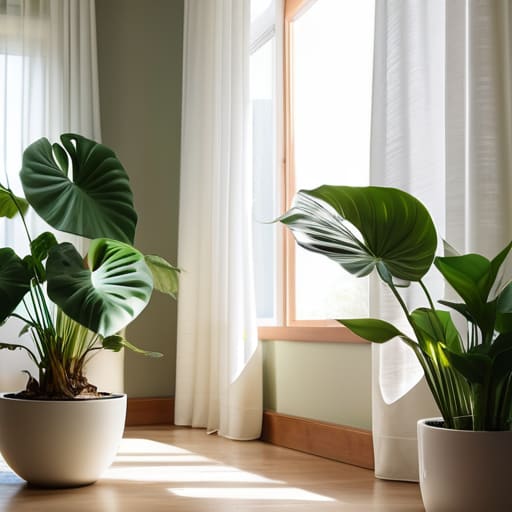
As we’ve navigated through the invisible currents of our living spaces, it’s clear that improving air quality isn’t about a single, sweeping gesture, but rather a series of intentional, mindful shifts. From identifying those sneaky, uninvited “travelers” like dust and VOCs to embracing the natural filtration of lush greenery, each step we take helps refine the atmosphere of our sanctuary. Just as I’ve learned in my travels that a culture is defined by the subtle details one observes, your home’s vitality is found in the purity of the air you breathe every single day. By managing ventilation and choosing mindful products, you are essentially curating a healthier, more vibrant environment for your own personal journey to unfold.
Ultimately, your home should be more than just a place to rest; it should be a revitalizing vessel that nourishes your spirit. In my notebook, I often scribble the phrase “Aria Pulita, Vita Felice”—clean air, happy life—and as I reflect on it, the sentiment feels truer than ever. When you treat your indoor environment with the same respect and curiosity you would give to a foreign landscape, you transform your four walls into a true haven. So, take a deep breath, let the freshness in, and remember that cultivating wellness begins with the very air that sustains your most precious adventures.

 dorothyajvillas