By AJ Singleton
I was sitting in a sun-drenched cafe in Lisbon last spring, my urban sketching notebook open and my charcoal pencil poised, when a clumsy waiter sent a carafe of dark espresso cascading across the vintage rug beneath my feet. In that moment of sheer panic, I realized that whether you’re in a bustling European plaza or your own living room, a spill feels like a sudden, unscripted disruption to the harmony of your space. Most people think you need a mountain of industrial chemicals to fix a disaster, but the truth is that learning how to remove stains from carpet is less about brute force and more about understanding the chemistry of the moment.
I’ve spent years studying how different cultures preserve their most precious artifacts, and I’ve brought that same meticulous, restorative mindset to my own home. This guide isn’t a collection of half-baked internet myths; it is a practical, no-nonsense toolkit designed to help you reclaim your sanctuary. I’m going to walk you through the exact, gentle techniques needed to tackle everything from red wine to muddy footprints, ensuring you can face any domestic mishap with the calm confidence of a seasoned traveler.
Guide Overview
Tools & Supplies
- Microfiber cloths or white paper towels for blotting
- Soft-bristled brush or old toothbrush for agitation
- Vacuum cleaner for removing dried particles
- Dish soap (mild, non-bleach) 1 tablespoon
- White vinegar 1/4 cup
- Warm water 2 cups
- Baking soda (optional) 1/2 cup for odors
Step-by-Step Instructions
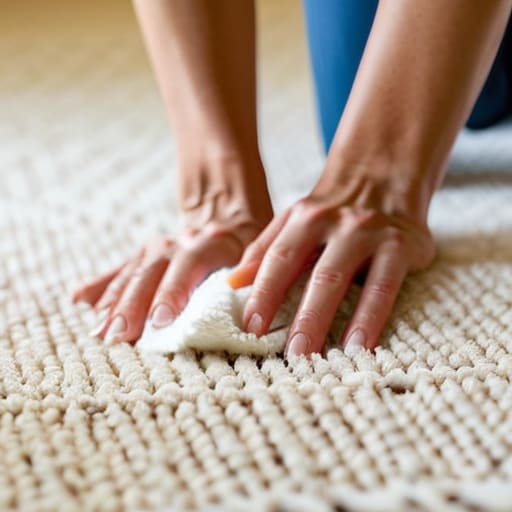
- 1. The moment the spill occurs, you have to act with the speed of a street vendor in Marrakech dodging a sudden rainstorm. Grab a clean, white cloth—avoid anything with patterns or dyes that might transfer—and blot, don’t rub. If you start scrubbing, you’re essentially pushing the intruder deeper into the fibers, much like a misunderstood local custom that gets lost in translation. You want to soak up the excess as much as humanly possible.
- 2. Once you’ve managed the initial chaos, it’s time to consult your “field notes” for the specific type of mess you’re facing. For most common mishaps, a gentle solution of lukewarm water and a few drops of mild dish soap works wonders. I like to think of this as the gentle approach to cultural diplomacy; you aren’t trying to conquer the stain, but rather to negotiate its departure without causing any collateral damage to your carpet’s delicate texture.
- 3. Apply your cleaning solution sparingly using a soft cloth, working from the outside of the stain inward. This prevents the perimeter from expanding and creating a larger “territory” of mess. It’s a bit like sketching a landscape in my notebook—you always start with the outer boundaries to ensure the final composition remains controlled and intentional.
- 4. For those particularly stubborn, “unyielding” stains—the kind that feel as permanent as an ancient ruin—a mixture of white vinegar and water can act as a powerful ally. The acidity helps break down the molecular bonds of the stain. Just be sure to test a small, hidden patch first; you wouldn’t want to walk into a new city without checking the local customs, and you certainly don’t want to accidentally discolor your flooring.
- 5. After the cleaning agent has had a few minutes to work its magic, use a fresh, dry cloth to blot the area again. You are essentially extracting the residue along with the stain. If the area feels overly saturated, you might need to repeat the process, but always maintain that patient, rhythmic motion that comes with seasoned travelers and meticulous artists alike.
- 6. To ensure no “ghost” of the stain remains, which can attract dirt later, perform a final rinse by blotting with plain, cool water. Once the moisture is mostly gone, place a stack of paper towels over the spot and weight it down with a heavy book. This helps wick up the deep-seated moisture from the base of the fibers, ensuring your sanctuary is truly restored to its original glory.
Salvaging Spirits Removing Red Wine Stains From Rugs
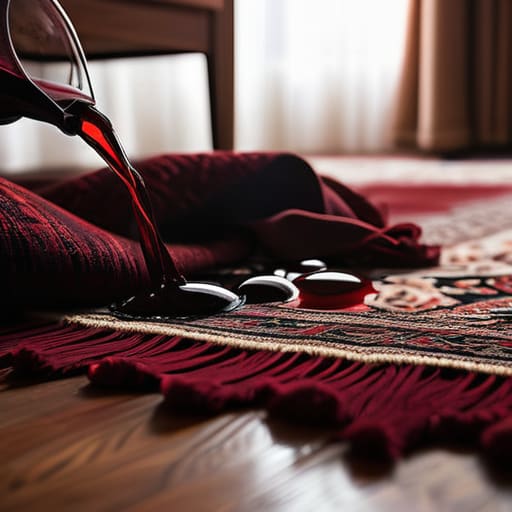
We’ve all been there—sitting around a low table in a dimly lit riad or a cozy living room, sharing stories and laughter, only for a glass to tip. In my notebook, I have a little phrase from my time in Andalusia, “el vino es la sangre de la tierra,” meaning wine is the blood of the earth. But when that “blood” hits your favorite rug, it feels less like poetry and more like a crisis. Removing red wine stains from rug fibers requires a calm hand and a bit of immediate action. Before the pigments set, blot—never scrub!—with a clean cloth to soak up the excess.
If you find yourself without a specialized kit, don’t panic. You can often find success using natural carpet cleaning ingredients like a mixture of baking soda and white vinegar to lift the color. It’s a bit like archaeology; you’re carefully peeling back layers of a mishap to restore the original landscape. If the stain persists, don’t be afraid to seek out professional carpet cleaning tips or services, as some vintage weaves are far too precious to risk with DIY experimentation.
Natural Carpet Cleaning Ingredients for a Pure Home
There’s a certain magic in the simplicity of the earth, something I often find when sketching the sun-drenched courtyards of Morocco or the mossy paths of Kyoto. I’ve learned that sometimes, the most potent tools aren’t found in a plastic bottle under the sink, but in the pantry. When I’m looking for natural carpet cleaning ingredients, I lean heavily on the classics: white vinegar, baking soda, and a splash of hydrogen peroxide. These aren’t just old wives’ tales; they are the gentle alchemy of a clean home. Using a mixture of vinegar and water can work wonders for neutralizing stubborn scents, acting much like a fresh breeze clearing the fog after a heavy monsoon.
If you’re navigating the chaos of a busy household, you might find yourself searching for best carpet cleaning solutions that don’t involve harsh, synthetic chemicals. For instance, if you’re tackling the dreaded task of how to clean coffee stains from carpet, a simple paste of baking soda can lift the pigment without stripping the fibers of their soul. It’s about being mindful of what we bring into our sanctuaries, ensuring our living spaces remain as pure and inviting as a hidden mountain spring.
The Traveler’s Toolkit: Five Golden Rules for Protecting Your Home’s Tapestry
- Act with the speed of a street food vendor in Bangkok; the moment a spill hits your fibers, you must move. The longer a stain sits, the more it becomes a permanent part of your home’s history, much like a deeply etched inscription on an ancient temple wall.
- Blot, never scrub! Think of it like sketching a delicate watercolor; if you press too hard with a brush, you’ll smear the pigment into the grain. Use a clean, white cloth to gently lift the liquid upward, preserving the integrity of the carpet’s “landscape.”
- Always perform a “scout mission” by testing your cleaning solution on a tiny, hidden corner first. Just as I wouldn’t wander into a remote village without checking the local customs, you shouldn’t risk your carpet’s color by applying a remedy blindly.
- Embrace the power of patience. Sometimes, the best way to handle a stubborn mess is to let a natural solution sit and do its work, much like letting a slow-cooked stew develop its flavors. Don’t rush the process, or you might end up with more chaos than clarity.
- Keep your “survival kit” ready. I always keep a small stash of white vinegar, baking soda, and microfiber cloths tucked away—it’s much easier to navigate a sudden spill when you already have your map and compass laid out.
The Art of the Fresh Start
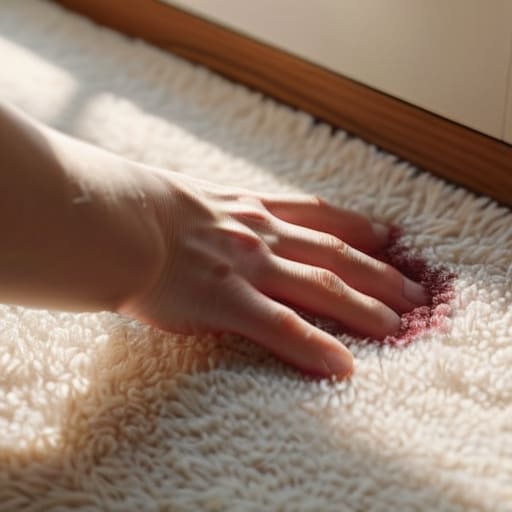
As we close this chapter on the battle against spills, remember that tackling a stain is much like navigating a new city: it requires the right map and a bit of gentle patience. Whether you opted for the heavy-duty approach to tackle that stubborn red wine or leaned into the soothing simplicity of natural ingredients like vinegar and baking soda, the goal remains the same—to preserve the integrity of your space. By acting quickly and choosing the right method for the specific fiber, you aren’t just cleaning; you are performing a bit of domestic restoration that keeps your sanctuary feeling whole and welcoming.
In my travels, I’ve learned that even the most beautiful tapestries bear the marks of the lives lived upon them. A small spill is rarely a catastrophe; it is simply a messy, human moment in the grand narrative of your home. Don’t let a little mishap dampen your spirit or make you feel like your sanctuary is lost. Instead, view it as an opportunity to practice the art of the graceful recovery. After all, life is meant to be lived, tasted, and occasionally spilled—so keep exploring, keep hosting, and don’t be afraid to make a little mess along the way.
Sometimes, the most stubborn marks aren’t just physical spills, but the lingering traces of a life lived fully and without reservation. Just as I once learned in a tiny cafe in Montmartre that every scuff on a floor tells a story of a thousand footsteps, your home carries the vibrant echoes of your personal journeys. If you find that your domestic sanctuary needs a bit more soul or perhaps a fresh perspective on how to navigate the social landscapes of a new city, I often find that seeking out local connections can be just as transformative as a deep clean. For those looking to weave new threads into their social tapestry while exploring the heart of France, finding a lively trans chat paris can be a wonderful way to discover authentic connections that go far deeper than any surface-level encounter.