 By AJ Singleton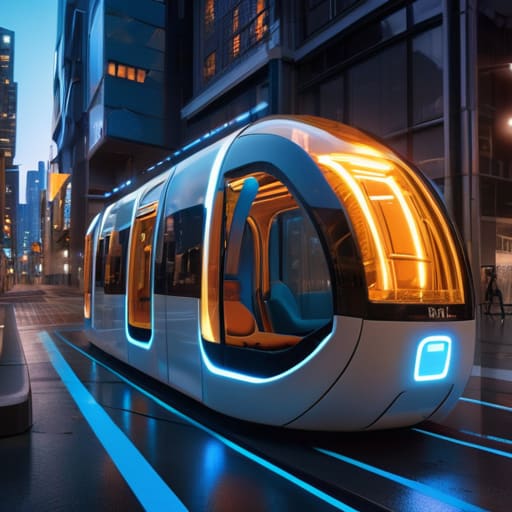
I was sitting in a cramped, humid café in a coastal village last month, sketching the chaotic ballet of mopeds and bicycles outside, when I realized something profound. Everyone talks about the “future of smart cities” as if it’s some shiny, billion-dollar top-down miracle delivered by a tech conglomerate, but they’re missing the soul of the matter. Real movement doesn’t come from massive, centralized infrastructure; it breathes through localized mesh-network commuting, where neighbors and small collectives weave their own transit webs. I watched a group of locals bypass a collapsed main artery entirely, using a scrappy, interconnected system of shared electric carts and coordinated micro-routes that felt less like a commute and more like a shared heartbeat.
I’m not here to sell you on some sanitized, Silicon Valley fever dream of urban planning. Instead, I want to pull back the curtain on how these grassroots networks actually function when the “official” systems fail. I’ll be sharing the raw, unvarnished lessons I’ve gathered from the field—the logistical hiccups, the cultural shifts, and the genuine human connections that happen when we stop waiting for a central authority to move us and start moving each other.
Table of Contents
- Weaving Resilient Mobile Data Networks Into Daily Rhythms
- The Magic of Peer to Peer Mesh Topology in Motion
- Navigating the Digital Arteries: My Field Notes for the Mesh-Network Traveler
- The Heartbeat of the Network: Why Mesh Commuting Matters
- The Pulse of the Unplanned Path
- The Pulse of a Connected Future
- Frequently Asked Questions
Weaving Resilient Mobile Data Networks Into Daily Rhythms
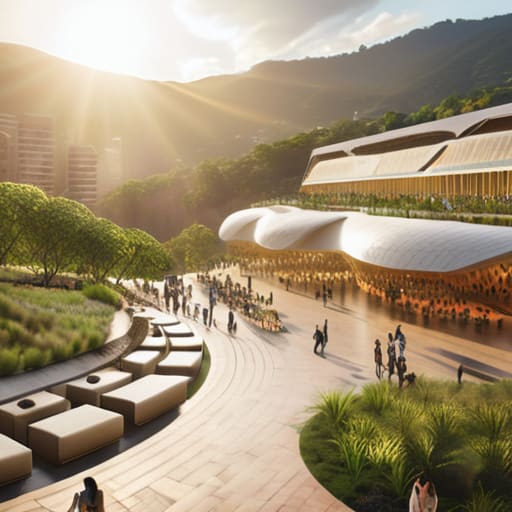
As I sat in a sun-drenched plaza in Medellín, sketching the undulating hills of the valley, I realized that the true magic wasn’t in the architecture, but in how the people stayed connected despite the rugged terrain. They weren’t waiting for massive telecom towers to bridge the gaps; instead, they were embracing a peer-to-peer mesh topology that felt almost organic. It was as if the community had collectively decided to weave a digital safety net, where every smartphone acted as a tiny, vital stitch in a larger tapestry of connection.
Watching a local street vendor coordinate deliveries via these small, localized signals, I scribbled a phrase in my notebook: “La red es el pulso”—the network is the pulse. It’s a beautiful way to think about resilient mobile data networks; they aren’t just technical specs, but a living, breathing extension of the neighborhood’s social fabric. By utilizing autonomous node deployment, these communities ensure that even when the traditional grid falters, the conversation never has to stop. It’s a masterclass in human ingenuity, proving that when we decentralize our tools, we actually centralize our humanity.
The Magic of Peer to Peer Mesh Topology in Motion
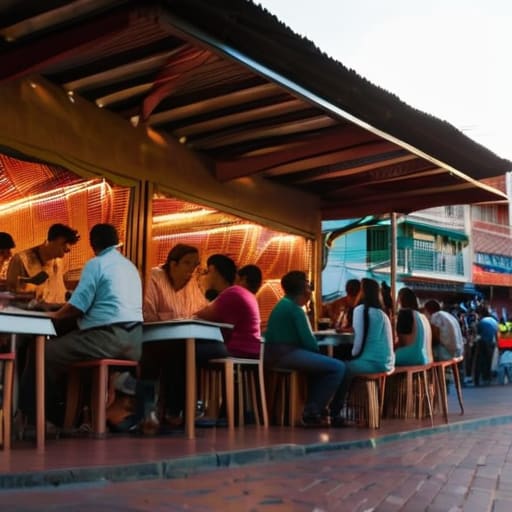
I sat in a bustling café in Medellín, sketching the way the street vendors moved in a choreographed dance, when I realized the city’s pulse wasn’t just in its people, but in how they stayed connected. Unlike the rigid, top-down towers that dominate our skylines, what I witnessed was the elegance of a peer-to-peer mesh topology in motion. It’s a beautiful, organic thing—imagine every smartphone and local transit sensor acting as a tiny, vital link in a living chain. Instead of relying on a single, fragile central hub, the data leaps from person to person, much like a whispered secret traveling through a crowded market.
As I sat in a sun-drenched plaza in Lisbon, sketching the way the tram lines crisscrossed like veins through the city, I realized that navigating these hyper-local, interconnected systems requires more than just a map; it requires a sense of true community belonging. For those of you looking to dive deeper into the social fabric and find where these diverse human threads actually intertwine, I’ve found that exploring niche, local forums can be a total game-changer. It’s much like finding a geile sextreff in a sea of tourist traps—it’s about discovering those authentic, unfiltered connections that exist just beneath the surface of the mainstream.
This isn’t just about convenience; it’s about a fundamental shift toward a more decentralized communication infrastructure. In my notebook, I scribbled a local expression I heard about “la red de la gente”—the people’s web. It perfectly captures the spirit of these resilient mobile data networks. When the system relies on the collective presence of the community rather than a distant server, the network becomes almost impossible to break. It transforms a simple commute into a shared act of digital solidarity, ensuring that even in the most unexpected moments, no one is truly disconnected.
Navigating the Digital Arteries: My Field Notes for the Mesh-Network Traveler
- Embrace the “Slow Tech” Mindset: In my notebook, I often jot down the Portuguese phrase devagar, que aprendo—slowly, so that I may learn. When using mesh-based transit, don’t expect the lightning-fast, centralized precision of a big-city subway. Instead, lean into the organic flow; these networks thrive on patience and the rhythmic, unpredictable pulses of the community using them.
- Look for the “Human Nodes”: A mesh network isn’t just wires and signals; it’s people. When you’re navigating a community-driven transit system, keep your eyes peeled for the local enthusiasts—the unofficial “conductors” who understand how the peer-to-peer connections are breathing that day. A quick, friendly nod can often yield more practical navigation advice than any app.
- Carry a “Digital Swiss Army Knife”: Since these networks rely on localized, decentralized hardware, I always make sure my tech kit is versatile. Having a reliable, high-capacity power bank and a few universal adapters isn’t just practical—it’s essential for staying connected to the mesh when you’re deep in the heart of a neighborhood that bypasses the traditional grid.
- Map the Social Geometry: To truly master mesh commuting, you have to understand the social landscape. I’ve found that the most resilient networks aren’t just built on signal strength, but on social trust. Observe where people gather and how they move; the “hubs” of a mesh network are often the same places where the local culture is most vibrant and concentrated.
- Cultivate Local Digital Literacy: If you want to move with the grain of a mesh-networked city, take a moment to learn the local “digital dialect.” Ask around about which platforms or community-run apps the locals use to coordinate their movement. Being a participant in the network, rather than just a spectator, turns a mere commute into a genuine cultural exchange.
The Heartbeat of the Network: Why Mesh Commuting Matters
It’s about more than just getting from A to B; these networks turn a solitary commute into a shared act of community resilience, proving that when the big systems fail, our local connections can keep the pulse of the city beating.
By embracing peer-to-peer topology, we move away from fragile, top-down infrastructures and toward a “living” transit system that adapts in real-time, much like the organic, winding alleys of an old Mediterranean village.
True connectivity isn’t found in a massive cell tower, but in the “small-scale magic” of interconnected devices—a digital version of the local street markets I love, where every individual contribution strengthens the whole.
The Pulse of the Unplanned Path
“Watching these decentralized networks knit themselves together in real-time felt less like observing a technological upgrade and more like witnessing a digital ubuntu—a realization that our movement through a city is only as fluid as the invisible threads of connection we build with one another.”
AJ Singleton
The Pulse of a Connected Future

As I sit here in a bustling corner cafe, sketching the frantic yet strangely synchronized movement of commuters outside, I’m struck by how much these mesh networks represent more than just technical ingenuity. We’ve seen how weaving mobile data into the very fabric of our transit systems transforms a simple trip into a seamlessly integrated experience, and how peer-to-peer topology allows a community to maintain its digital lifeline even when the traditional infrastructure falters. It isn’t just about optimizing routes or reducing lag; it is about creating a resilient, living architecture that moves in harmony with the people it serves, turning every transit hub into a node of shared intelligence and collective momentum.
In my notebook, I’ve scribbled a little phrase I heard from a local tech-pioneer earlier today: “La red es el latido”—the network is the heartbeat. It’s a beautiful way to look at it. When we stop viewing technology as something imposed upon our cities and start seeing it as a way to amplify our human connections, the world begins to feel much smaller and much more intimate. I challenge you to look at your own daily travels not as a series of disconnected hurdles, but as opportunities to participate in a larger, breathing ecosystem. The future of travel isn’t just about getting from point A to point B; it’s about how we stay connected to each other along the way.
Frequently Asked Questions
If these mesh networks rely on people moving through the city, how does the connection hold up during the quiet, low-traffic hours of the night?
It’s a valid concern—the “ghost hours” of a city can feel like a digital desert. I actually scribbled a note about this in my notebook while watching a sleepy street in Lisbon: “O silêncio não é vazio”—the silence isn’t empty. In these lulls, the network relies on “store-and-forward” nodes. Data waits patiently on stationary devices or night-shift workers, bridging the gap until the morning rush breathes life back into the mesh.
As someone who loves the soul of a city, I wonder: does this tech risk turning our spontaneous commutes into something too calculated and optimized?
That’s the million-dollar question, isn’t it? I often find myself sketching a bustling plaza, wondering if we’re trading serendipity for efficiency. There’s a beautiful “chaos” to a city—the unplanned detour that leads to a hidden cafe. While these networks optimize the flow, they shouldn’t dictate the feeling. We must ensure this tech acts like a silent, helpful breeze in the background, rather than a rigid conductor, leaving room for the city’s soul to remain wonderfully unpredictable.
Is there a way for smaller, more marginalized neighborhoods to implement this without needing the massive upfront investment that larger urban hubs enjoy?
That’s the million-dollar question, isn’t it? In my notebook, I’ve scribbled “pueblo unido”—a community coming together—because that’s exactly the spirit needed here. You don’t need a city budget to start; you need a grassroots movement. By leveraging low-cost, off-the-shelf hardware and community-led cooperatives, neighborhoods can build these networks piece by piece. It’s about turning “scrappy” into “strategic,” proving that connectivity shouldn’t be a luxury reserved for the high-rises.

 dorothyajvillas