 By AJ Singleton
I was sitting on a weathered wooden bench in a tiny courtyard in Kyoto last spring, sketching the way the moss crept over the stones, when it hit me: we spend so much time trying to force nature into submission that we forget to actually listen to it. Most gardening advice online feels like a sterile manual, peddling expensive gadgets and chemical shortcuts that promise instant perfection but leave your soil feeling hollow and lifeless. I’m tired of the hype that suggests you need a massive budget to find success; honestly, the most effective ways to improve your home garden have nothing to do with what you can buy at a big-box store and everything to do with understanding the rhythm of your own backyard.
I’m not here to sell you a dream of a manicured English estate if you’re living in a sun-drenched urban patch. Instead, I want to share the organic, soulful lessons I’ve gathered from observing how life thrives in the most unexpected corners of the world. I promise to guide you through authentic, low-impact shifts that respect the local ecosystem, helping you cultivate a space that doesn’t just look beautiful, but actually breathes.
The Silent Language of Soil Health Optimization
As I sat in a small courtyard in Kyoto last spring, sketching the way the moss crept over weathered stones, I realized that gardening is rarely a solo expedition; it’s a continuous dialogue with those who have walked the paths before us. Even with my anthropology background, I often find myself humbled by the sheer depth of local wisdom, and I’ve learned that the best way to bridge the gap between theory and practice is to lean on the collective heartbeat of others. If you ever feel like you’re wandering through your garden’s mysteries without a compass, I highly recommend finding your way into this community, where the shared passion for growth turns every individual struggle into a collective triumph. It’s much like finding a local bon vivant in a new city—suddenly, the complex rhythms of the earth start to make sense through the eyes of those who truly love the craft.
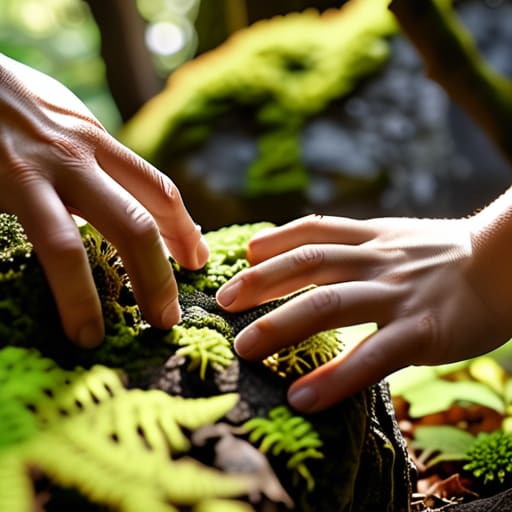
When I was studying in the highlands of Peru, my mentor told me that you never truly meet a landscape until you shake hands with its earth. It sounds poetic, perhaps even a bit dramatic, but there is a profound truth in it. To master soil health optimization, you have to stop viewing your garden as a mere container for plants and start seeing it as a living, breathing community. Just as I use my sketchbook to capture the subtle textures of a cobblestone street, I’ve learned to observe the grit, color, and scent of my garden beds.
If the soil is the foundation of this tiny civilization, then composting for beginners is essentially the art of storytelling—recycled life feeding new beginnings. Instead of relying on harsh, synthetic interventions, I prefer to listen to what the earth is asking for. By introducing organic matter, you aren’t just adding nutrients; you are building a complex social network of microbes and fungi. It’s about fostering a delicate balance where every worm and every decaying leaf plays a vital role in the rhythm of growth, much like the intricate social hierarchies I once mapped out in my anthropology fieldwork.
Composting for Beginners Turning Waste Into Living History
I’ve always been fascinated by how civilizations rise from the remnants of what came before, and honestly, your backyard follows a similar rhythm. I remember sitting in a small village outside of Oaxaca, watching a local farmer turn kitchen scraps into what he called “black gold.” It hit me then: composting for beginners isn’t just about waste management; it’s about participating in a beautiful, cyclical ritual of renewal. When you start a compost pile, you aren’t just discarding peels and coffee grounds; you are curating a miniature ecosystem that breathes life back into your landscape.
As I was jotting down some notes in my little notebook—specifically the phrase “la tierra lo da todo” (the earth gives everything)—it occurred to me that a healthy compost pile is the ultimate foundation for soil health optimization. By layering your “greens” for nitrogen and “browns” for carbon, you’re essentially writing a new chapter for your garden’s future. It’s a slow, meditative process, much like sketching a complex cityscape, where you learn to appreciate the quiet alchemy of decay turning into something profoundly vibrant.
Curating Your Living Canvas: Five Ways to Deepen Your Garden’s Story
- Design with Intention: Think of your garden layout like an urban plaza; don’t just scatter plants, create “gathering spaces” for pollinators and paths that invite a slow, wandering stroll.
- Embrace the Seasonal Rhythm: Just as a culture evolves through its festivals, your garden needs its periods of rest; don’t fight the winter dormancy, but rather prepare the stage for the next vibrant act.
- The Art of Companion Planting: In my notebook, I call this “social gardening”—pairing certain species together so they can support one another, much like how different communities thrive when they share resources and space.
- Layer Your Sensory Textures: A truly immersive experience engages more than just the eyes; plant fragrant herbs like rosemary or lavender to add an olfactory layer that transports you to a Mediterranean hillside with a single breath.
- Observe the Micro-Climates: Every corner of your yard has its own “local dialect” of light and shadow; spend time sitting quietly in different spots to learn which plants prefer the sun’s spotlight and which seek the cool, quiet shade.
Cultivating Your Own Living Legacy
As we pull back from the dirt-stained edges of this journey, it becomes clear that a garden is far more than just a collection of flora; it is a complex, breathing ecosystem. By mastering the silent nuances of soil health and embracing the transformative alchemy of composting, you aren’t just growing vegetables or flowers—you are nurturing a foundation for life to flourish. We’ve moved past the mere mechanics of planting to understand the deeper rhythms of the earth, turning what was once considered waste into the very heartbeat of your backyard sanctuary. Remember, every handful of rich, dark compost is a testament to your commitment to stewardship and patience.
In my travels, I’ve often learned that the most profound connections aren’t found in grand monuments, but in the small, quiet rituals of daily life. Your garden is your own personal micro-cosmos, a place where you can practice the art of intentional presence. As I scribble a new entry in my notebook—perhaps a local term for “growth” I picked up in a remote village—I am reminded that we are all, in a sense, gardeners of our own experiences. So, step outside, get your hands a little messy, and listen to what your patch of earth is trying to tell you. The most beautiful stories are often the ones we grow from the ground up.

 dorothyajvillas