 By AJ Singleton
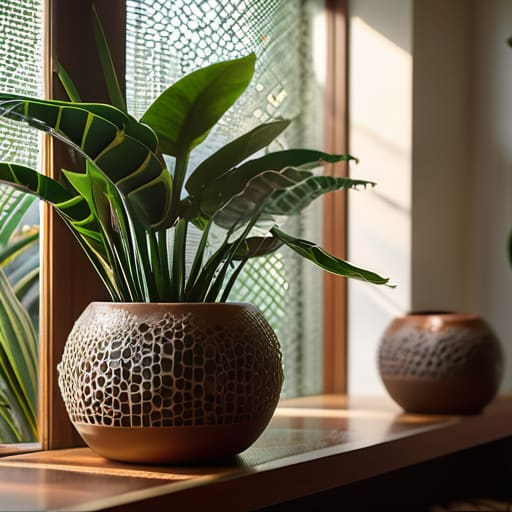
I remember sitting in a sun-drenched courtyard in Kyoto last spring, sketching the way a single, stubborn fern reclaimed a crack in a stone lantern. It hit me then: we often treat the idea of how to start indoor gardening like we’re preparing for a high-stakes expedition, convinced we need expensive grow lights, specialized nutrient cocktails, and a degree in botany just to keep a pothos alive. We’ve turned a simple, primal connection to the earth into this over-engineered chore that feels more like a science experiment than a way to bring life into our homes.
As you begin to curate your own indoor sanctuary, remember that gardening is rarely a solitary expedition; it’s a way to connect with the rhythm of life that exists even within our four walls. Just as I found that the best travel stories often emerge from unexpected encounters in a new city, your plant journey can become much richer when you tap into a community of fellow enthusiasts. If you ever find yourself feeling a bit isolated in your green thumb pursuits or are simply looking to expand your social horizons while traveling through different landscapes, I’ve found that meeting people in UK can offer those unexpected sparks of connection that turn a simple hobby into a truly shared cultural experience. After all, whether you are tending to a delicate fern or navigating a bustling foreign market, it is the human element that ultimately breathes life into every adventure.
Forget the glossy, intimidating catalogs that suggest you need a greenhouse setup to succeed. I’m here to strip away the pretension and share the raw, messy, and deeply rewarding reality of growing things where you live. I’ll guide you through the essential, low-stakes basics—from reading the subtle language of your leaves to finding that perfect patch of light—so you can cultivate your own little sanctuary. Think of this not as a manual, but as a way to weave a bit of the world’s untamed beauty into your daily rhythm.
Selecting the Best Low Light Indoor Plants
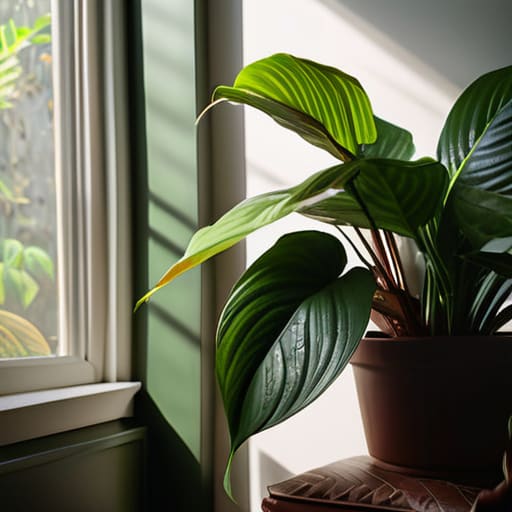
Not every corner of your sanctuary will be bathed in the golden glow of a Mediterranean afternoon. In fact, many of the most soulful spaces in our homes—those quiet, shadowed nooks where we retreat to read or reflect—lack direct sun. I like to think of these dim corners not as limitations, but as an invitation to discover a different kind of resilience. When you’re navigating indoor plant care for beginners, your first mission is to find companions that thrive in the shadows rather than fighting them.
I often find myself sketching the architectural silhouette of a Zamioculcas zamiifolia (or ZZ plant, as my friends call it) in my notebook; its waxy, deep green leaves seem almost designed to soak up whatever stray light trickles through the curtains. If you’re looking for the best low light indoor plants, look toward the Snake Plant or the classic Pothos. These aren’t just greenery; they are the quiet anchors of a room. They don’t demand a spotlight to perform; they simply exist with a graceful, understated strength that mirrors the most beautiful, hidden parts of our own journeys.
The Soul of Growth Choosing Potting Soil for Indoor Plants
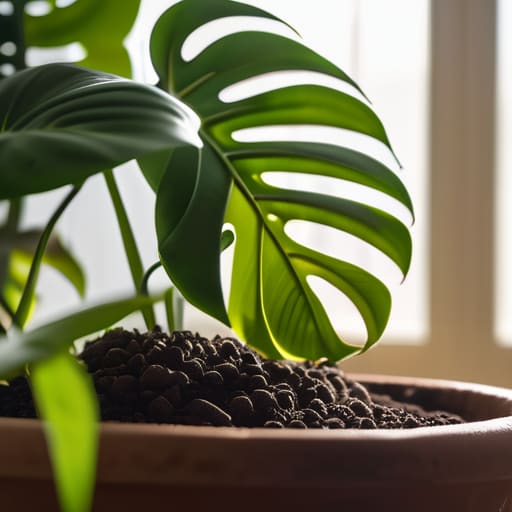
If my travels have taught me anything, it’s that the foundation of any great culture—much like the foundation of a thriving plant—is often what lies beneath the surface. You can have the most stunning greenery in your collection, but without the right medium, that beauty is fleeting. When I’m scouting for the perfect potting soil for indoor plants, I think of it as the “terroir” of your living room. Just as a winemaker looks to the earth to understand the soul of a grape, you must look to your soil to understand the potential of your leafy companions.
Don’t fall into the trap of grabbing any generic bag from the local supermarket. For those navigating indoor plant care for beginners, the secret lies in aeration and drainage. A heavy, dense soil can act like a suffocating blanket, trapping moisture and inviting rot. Instead, look for a mix that feels light and crumbly to the touch, perhaps enriched with perlite or coco coir. It’s about creating a tiny, breathable ecosystem that mimics the dappled forest floors I’ve sketched in my notebook across the globe.
The Ritual of Nurturing: Five Essentials for Your Green Sanctuary
- Listen to the rhythm of your space; before you rush out to buy every exotic fern in sight, spend a few days observing how the sunlight dances across your windowsills. In my notebook, I often write about “finding the flow,” and your garden is no different—you need to know where the light lingers and where the shadows rest before you commit to your new leafy companions.
- Master the art of the “gentle touch” when it comes to hydration. It’s tempting to drench your plants in an act of love, but much like navigating a new city, it’s better to move slowly and observe. Stick your finger into the soil to feel the moisture; if it’s still damp, your plant is telling you it needs a moment to breathe.
- Embrace the “slow travel” philosophy of plant growth. We live in such a fast-paced world, but a seedling doesn’t care about your deadlines. Don’t be discouraged if a new leaf takes weeks to unfurl; part of the magic of indoor gardening is learning to appreciate the quiet, incremental victories that happen when no one is watching.
- Curate your collection like a local market, not a supermarket. Instead of buying identical plastic pots, look for pieces that tell a story—maybe a hand-thrown ceramic bowl from a local artisan or a weathered terracotta pot that feels like it has its own history. These textures add a layer of soul to your living space that makes it feel truly inhabited.
- Don’t fear the occasional “wilted leaf” setback. Even the most seasoned explorers face storms, and in the world of indoor gardening, a yellowing leaf is just a bit of feedback from your environment. Treat every mishap as a lesson in cultural exchange between you and your plants, and keep your curiosity high as you adjust your approach.
Nurturing Your Own Living Mosaic
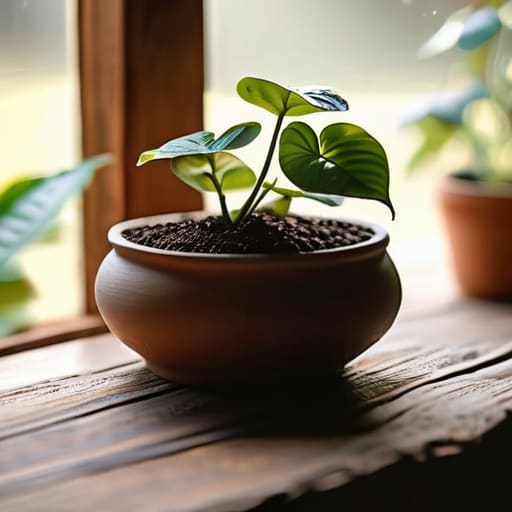
As you stand at the threshold of this new green expedition, remember that you’ve already laid the groundwork for something beautiful. We’ve navigated the nuances of selecting resilient, low-light companions and understood that the very foundation of your garden—that rich, soulful potting soil—is what dictates the rhythm of growth. It isn’t about achieving immediate, Instagram-perfect lushness; it’s about the delicate balance of light, medium, and moisture. By choosing the right species and providing them with a hospitable environment, you aren’t just decorating a room; you are curating a miniature ecosystem that breathes life into your personal sanctuary.
In my travels, I’ve learned that the most profound connections often happen in the quietest moments—like watching a new leaf unfurl in the morning light. There is a beautiful local saying I scribbled in my notebook recently that roughly translates to “the soul grows where the roots are tended.” Let your indoor garden be a testament to that patience. Don’t fear the occasional yellow leaf or the learning curve; instead, embrace the rhythmic ebb and flow of nature. As you tend to these small lives, you might find that you are nurturing a sense of peace and wonder within yourself, too. Happy planting, fellow explorers!

 dorothyajvillas