 By AJ Singleton
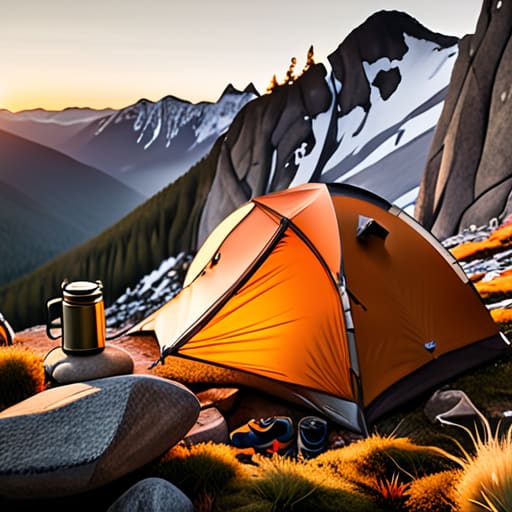
I still remember the biting sting of the Sierra Nevada wind against my face during my first solo trek, a moment that felt less like a spiritual awakening and more like a very expensive lesson in humility. I had spent weeks obsessing over glossy catalogs, convinced that I needed every high-tech, titanium-clad gadget on the market just to survive a night under the stars. But here’s the truth that the big-box retailers won’t tell you: the mountain doesn’t care about your brand names, and half the stuff they label as essential gear for mountain camping beginners is nothing more than overpriced clutter designed to drain your bank account. In my little notebook, I’ve scribbled more “lessons learned the hard way” than I care to admit, and most of them involve realizing that simplicity is actually your greatest ally when the altitude climbs.
I’m not here to sell you a lifestyle or a mountain of unnecessary plastic. Instead, I want to share the curated, battle-tested essentials that actually facilitate a connection with the wild rather than a struggle against it. My goal is to strip away the marketing hype and provide you with a no-nonsense roadmap of what you truly need to stay safe, warm, and inspired. Let’s focus on the gear that turns a daunting ascent into a meaningful encounter with the great unknown.
A Backpacking Gear Checklist for Beginners Seeking Connection
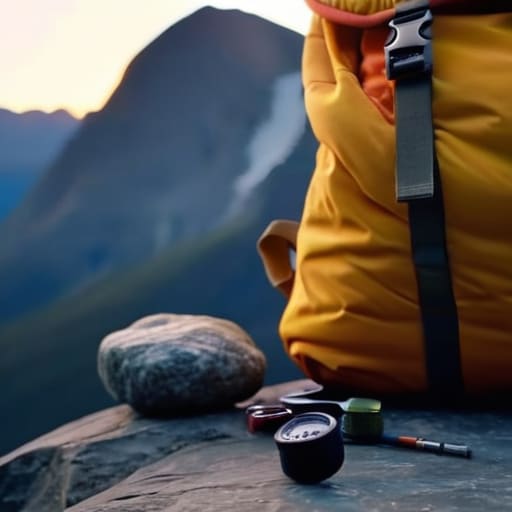
When I first started venturing into the high country, I realized that my gear wasn’t just a collection of nylon and metal; it was my lifeline to the landscape. To truly find that sense of presence, you need a reliable backpacking gear checklist for beginners that prioritizes comfort as much as utility. I always tell my clients: don’t just pack for the summit; pack for the quiet moments in between. This means investing in a dependable layering system for mountain weather that allows you to adapt as the sun dips behind the granite peaks and the temperature takes a sudden, sharp turn.
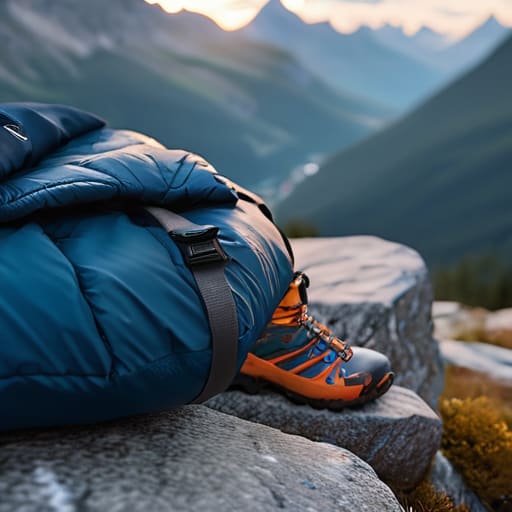
As you transition from casual trails to more demanding terrain, your needs will evolve toward more specialized tools. If you find yourself chasing the sunrise above the treeline, understanding cold weather sleeping bag ratings becomes absolutely vital to ensuring your rest is restorative rather than a struggle against the chill. There is nothing that breaks the magic of a mountain morning quite like shivering through your first cup of coffee because your kit wasn’t up to the task. Aim for gear that feels like an extension of yourself, allowing you to focus on the horizon rather than your discomfort.
Mastering the Layering System for Mountain Weathers Moods
One thing my anthropology studies taught me is that nature rarely follows a script; it’s a living, breathing entity with its own unpredictable temperament. In the mountains, the weather doesn’t just change—it shifts its entire personality in a heartbeat. To navigate these whims, you have to treat your clothing like a modular toolkit. Mastering a layering system for mountain weather is less about fashion and more about survival and comfort. I always tell my clients to think in three distinct acts: a moisture-wicking base layer to keep sweat away from your skin, an insulating mid-layer—think a cozy fleece or a down puffy—to trap your body heat, and a rugged shell to deflect the wind and rain.
As you ascend, the air thins and the temperature can plummet faster than a dropped sketchbook. This is where your mountain hiking safety essentials truly come into play. I once sat huddled under a granite overhang in the Sierras, watching a sun-drenched meadow transform into a frost-covered kingdom in mere minutes. Having that extra insulating layer ready to deploy is the difference between a night of shivering and a night of starlit reflection. Don’t wait for the chill to bite; be ready to adapt as quickly as the clouds.
The Small Details That Turn a Struggle into a Story
- Don’t underestimate the magic of a reliable headlamp; while the stars are the main event, you’ll want your own little beam of light to navigate the campsite and find that lost snack in your pack without fumbling in the dark.
- Invest in a sturdy, lightweight stove that feels like an extension of your own hands, because there is nothing quite as soul-warming as the ritual of brewing a hot cup of coffee while the morning mist clings to the peaks.
- Treat your sleeping pad as your most important piece of furniture; it’s not just about cushion, but about creating a thermal barrier between you and the earth, ensuring your rest is deep enough to fuel tomorrow’s trek.
- Carry a small, waterproof kit for your electronics and notebooks—I’ve learned the hard way that a sudden mountain downpour can turn a beautiful sketch or a vital map into a soggy mess in seconds.
- Pack a multi-tool that feels intuitive and ready for action, because in the wild, being able to quickly mend a strap or prep a meal is what keeps the rhythm of your adventure flowing smoothly.
Beyond the Checklist: Finding Your Rhythm in the Wild
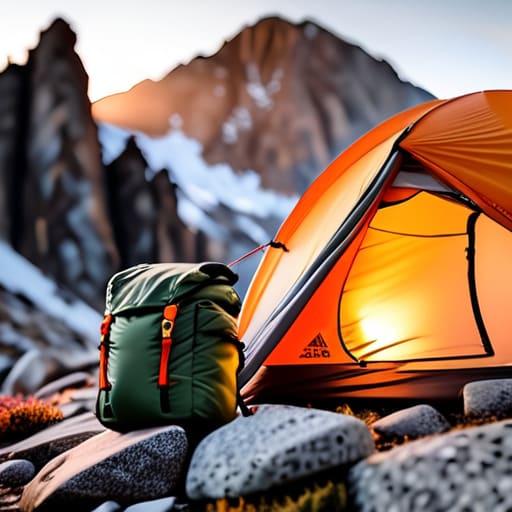
As you stand at the threshold of your first high-altitude adventure, remember that your gear is more than just a collection of nylon and metal; it is the bridge between you and the raw, unfiltered majesty of the peaks. From the meticulously curated contents of your backpack to the strategic layers that shield you from the mountain’s sudden, fickle moods, every piece serves a purpose in your safety and comfort. Don’t let the technicalities overwhelm you. Focus on the foundational essentials—the shelter that becomes your sanctuary and the warmth that keeps the chill at bay—so that you can spend less time worrying about your equipment and more time observing the way the light hits the granite faces at dawn.
Ultimately, the most important thing you carry isn’t found in a gear shop, but in your willingness to be changed by the landscape. There is a beautiful local expression I scribbled in my notebook recently that roughly translates to “finding oneself in the silence of the stones.” As you lace up your boots, remember that the goal isn’t to conquer the mountain, but to listen to its stories. Let the gear provide the security you need to truly surrender to the moment. Go forth with curiosity, stay prepared, and let the mountains teach you things that no textbook ever could.
As you begin to curate your kit, remember that the most profound connections often happen when we step outside our comfort zones and embrace the unexpected rhythms of a new environment. Just as I find myself scribbling down a new local idiom in my notebook to better understand the soul of a city, I’ve learned that true adventure requires a certain level of social openness and curiosity. Whether you are navigating the rugged trails of a mountain range or exploring the vibrant, diverse social landscapes of a new destination—much like finding unique connections through femboy escorts perth when traveling through Australia—the key is to remain receptive to the human element that makes every journey truly transformative.

 dorothyajvillas