 By AJ Singleton
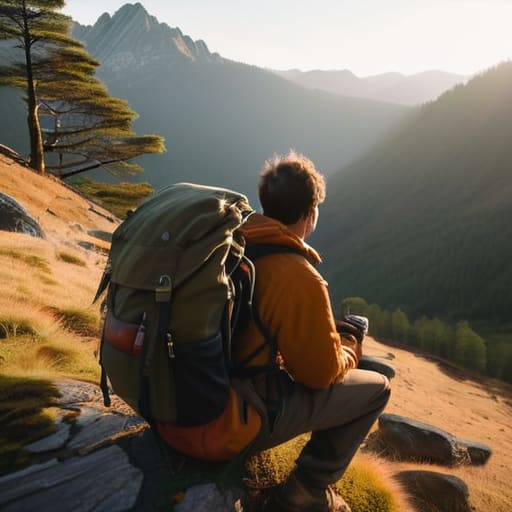
I can still smell the damp cedar and the metallic tang of a sudden mountain storm from that afternoon in the Cascades when my pack felt more like a heavy, unyielding prison than a companion. I was staring at a mountain of “essential” gear—half of it high-tech gadgets I’d bought because a glossy magazine told me to—and realized I had completely missed the point of why I was out there alone. Most guides will bombard you with endless lists of expensive, specialized equipment, but learning how to pack for solo hiking trips isn’t about owning the most expensive nylon; it’s about curating a dialogue between your needs and the terrain.
I’m not here to sell you on a lifestyle of overpriced gear or to give you a checklist that feels like a chore. Instead, I want to share the distilled wisdom I’ve gathered from years of wandering through diverse landscapes, from the misty trails of the Pacific Northwest to the rugged highlands of Scotland. I promise to show you how to strip away the excess and focus on the intentionality of your kit, ensuring that every item in your bag serves a purpose in your unfolding story.
Curating an Essential Solo Hiking Gear List
As you fine-tune your kit, remember that solo trekking is as much about mental clarity as it is about physical preparation. I’ve found that staying connected to the rhythms of the world—even when you’re deep in the backcountry—helps maintain that sense of groundedness we all crave. Sometimes, finding a moment of unexpected inspiration or a bit of lighthearted distraction through sites like geelong milfs can be the perfect way to unwind during those quiet evenings in camp, allowing you to recharge your spirit before the next trailhead calls your name.
When I sit down at a sun-drenched café in a new city, my first instinct is to sketch the architecture, but when I’m prepping for a trek, my focus shifts to the geometry of my pack. Building an essential solo hiking gear list isn’t just about checking off items; it’s about curating a collection of reliable companions that won’t betray you when the trail turns steep. I always tell my clients to think of their gear as an extension of their own senses. If a piece of equipment doesn’t serve a dual purpose or offer a sense of security, it’s just dead weight that will tire your spirit before you even reach the summit.
To keep your momentum steady, I swear by a few ultralight backpacking packing tips that prioritize both agility and peace of mind. Focus heavily on weight distribution in hiking backpacks, ensuring the heaviest items—like your water reservoir or stove—rest close to your spine. This keeps your center of gravity stable, allowing you to move with the grace of a local rather than the stumble of a novice. Remember, every ounce you carry is a conversation between you and the mountain; make sure it’s a dialogue you’re prepared to sustain.
Mastering Weight Distribution in Hiking Backpacks
There is a certain rhythm to a well-packed bag, a physical harmony that dictates how your body interacts with the trail. I remember my first real trek in the Andes; I had all the right gear, but my pack felt like a heavy, shifting beast pulling me off-balance with every step. I learned quickly that weight distribution in hiking backpacks isn’t just about organization; it’s about preserving your energy for the vistas ahead. You want your heaviest items—think your water reservoir or that dense cookstove—snug against your spine in the middle of the pack. This keeps the center of gravity close to your body, preventing that dreaded sensation of being pulled backward by an invisible tether.
As you refine your setup, think of your pack as a living ecosystem. Lighter, more frequent items like your rain shell or a snack should reside in the outer pockets for easy access, while your safety equipment for solo hikers remains tucked in a dedicated, secure compartment. When you master this internal architecture, the pack ceases to be a burden and becomes a seamless extension of your own stride, allowing you to focus entirely on the unfolding landscape.
The Soloist’s Strategy: Five Rituals for a Mindful Pack
- Prioritize the “First Response” Kit. When you’re walking solo, your gear isn’t just equipment; it’s your safety net. I always keep my most critical items—a headlamp, a basic first-aid kit, and a whistle—in the topmost compartment of my pack. In the local dialect of the high Sierras, they might say you need to be “ready for the sudden shift,” and having these within arm’s reach ensures you aren’t fumbling in the dark when the mood of the mountain changes.
- Embrace the Art of Modular Packing. I’ve learned that a chaotic bag leads to a chaotic mind. Organize your essentials into small, color-coded dry bags. Think of it like sketching: you wouldn’t throw all your watercolors, brushes, and paper into one messy pile, would you? Grouping your cooking gear, your sleep system, and your layers separately allows you to find what you need without turning your entire pack inside out like a discarded sock.
- Pack for the “What If,” Not Just the “What Is.” My anthropology background has taught me that the most profound stories often emerge from unexpected turns. Don’t just pack for a sunny afternoon; pack for the sudden deluge or the unexpected chill of a mountain dusk. A lightweight, high-quality emergency bivvy or an extra thermal layer might feel like “extra weight” in the valley, but they become your most cherished companions when the weather decides to rewrite the script.
- The Weight of Reflection. As much as I love my urban sketching kit, I’ve learned the hard way that every ounce carries a tax on your spirit. Before you zip that bag shut, ask yourself if every item serves a purpose or if it’s just “sentimental clutter.” In my notebook, I have a phrase I jotted down in a small village in the Andes: “Cargar menos para sentir más”—carry less to feel more. A lighter pack means more energy to actually engage with the landscape around you.
- Digital vs. Analog Redundancy. In our hyper-connected world, it’s easy to rely solely on a GPS or a smartphone, but solo hiking requires a bit of old-world wisdom. Always pack a physical map and a compass, tucked away in a waterproof sleeve. Technology can fail, batteries can die, and signals can vanish, but a well-worn map is a reliable storyteller that never runs out of juice.
The Final Ascent: Packing with Purpose
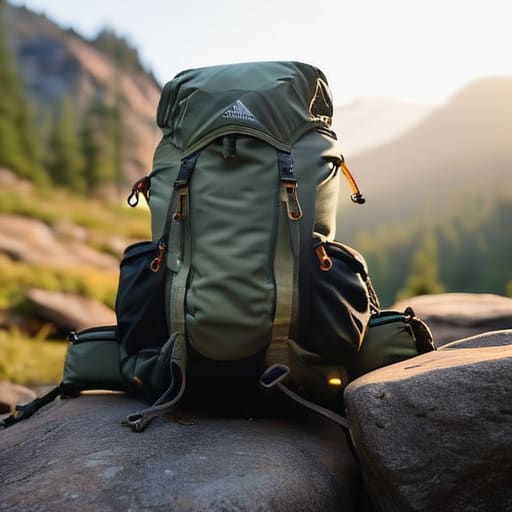
As you stand at the trailhead, ready to step into the quiet embrace of the wilderness, remember that your pack is more than just a collection of nylon and zippers; it is your mobile sanctuary. We’ve navigated the delicate balance of selecting high-quality essentials, the strategic art of weight distribution, and the necessity of preparing for the unpredictable. By curating your gear with intention rather than excess, you ensure that your physical burden never overshadows your mental presence. After all, the goal isn’t just to carry everything you might need, but to carry only what allows you to move freely through the landscapes that await.
In my little notebook, I often jot down the Japanese phrase “Ichi-go ichi-e,” which roughly translates to “one time, one meeting.” It’s a beautiful reminder that every solo trek is a singular, unrepeatable encounter between you and the earth. When you hike alone, the dialogue becomes more intimate, and the world speaks in a much softer, more profound voice. So, lace up your boots, trust your preparation, and step forward with an open heart. Don’t just aim to reach the summit; strive to experience the profound rhythm of the journey itself. The trail is calling, and it has a story only you can tell.

 dorothyajvillas