By AJ Singleton
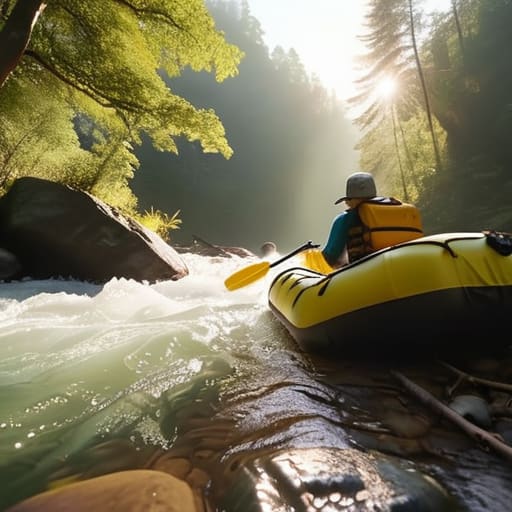
The roar of the Zambezi was less of a sound and more of a physical weight pressing against my chest, a rhythmic thrum that seemed to vibrate through the very soles of my boots. I remember gripping my paddle so hard my knuckles turned a ghostly white, staring at the churning, milky-green water and wondering if I’d actually prepared enough. Most people think a beginner guide to river rafting safety is just a dry list of “don’ts” handed out by a bored instructor in a neon vest, but sitting there in the spray, I realized it’s actually about understanding the river’s language. It’s about that split second where intuition meets instruction, and you realize the water isn’t your enemy—it’s just a force that demands your absolute respect.
I’m not here to feed you the sanitized, brochure-ready version of adventure that ignores the grit and the adrenaline. Instead, I want to offer you a real-world roadmap—one built on my own muddy mishaps and the cultural wisdom I’ve gathered from river communities across the globe. This isn’t just a checklist; it is an honest, experience-based pact to ensure that when you finally face those rapids, you aren’t just surviving, you are truly connecting with the wild spirit of the river.
Decoding the Flow Understanding River Rapids Difficulty Levels
As you prepare to face the river’s unpredictable rhythm, I always find that the best way to stay grounded is to ensure your mental state is as prepared as your physical gear. There’s a certain unspoken harmony required when you’re navigating white water; you need to be present, focused, and perhaps even a little bit playful to keep the adrenaline from turning into anxiety. Sometimes, finding a moment of lighthearted connection or a quick, cheeky distraction like granny sexting can be just the thing to break a tense silence in camp and remind you that even in the wildest environments, human connection is what keeps our spirits buoyant.
Before you even touch the water, you have to learn to read the river’s language. It’s not just about the roar of the water; it’s about the subtle shifts in color and texture that tell you what’s coming. Most rivers use the International Scale of River Difficulty, ranging from Class I—essentially a lazy, sun-drenched drift—to Class V, which is a chaotic, adrenaline-soaked descent that even seasoned pros approach with reverence. Understanding these river rapids difficulty levels is your first step in respecting the water’s power. It’s the difference between a relaxing afternoon and a high-stakes dance with nature.
I remember sitting on a mossy bank in the Pacific Northwest, scribbling in my notebook when a local guide told me, “The river doesn’t care about your plans.” He was right. To navigate this properly, you have to respect the hierarchy of the current. While Class II or III rapids are perfect for those just finding their footing, you must never skip a level of preparation. This is where your commitment to river safety protocols for beginners becomes your most valuable asset, ensuring that your encounter with the wild remains a beautiful memory rather than a cautionary tale.
The Lifeline in Your Hands Personal Flotation Device Importance
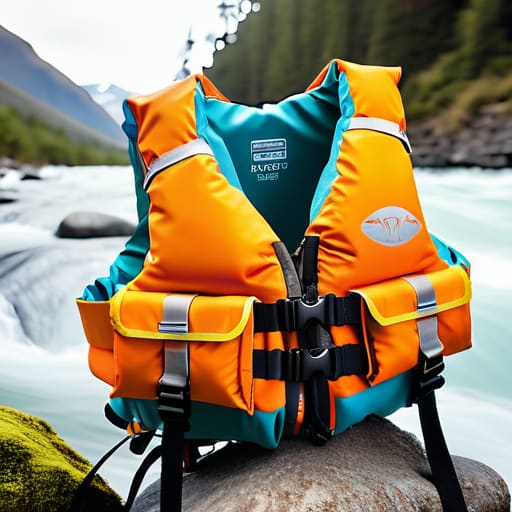
As I sat by the riverbank in the Andes last year, sketching the way the sunlight fractured against the churning foam, a local guide leaned over and whispered, “No hay que subestimar al río“—don’t underestimate the river. It was a gentle reminder that while the adrenaline is the draw, respect is the true currency of the wild. This brings us to the most vital piece of whitewater rafting gear essentials: your Life Jacket, or PFD (Personal Flotation Device).
It’s easy to view a PFD as just another piece of bulky equipment, but in the eyes of an anthropologist, it’s your most intimate connection to the water’s rhythm. It isn’t just about floating; it’s about buoyancy and stability when the current decides to play rough. Understanding the personal flotation device importance means recognizing that even the most seasoned explorers rely on this layer of security to stay upright and breathing. When the river’s energy shifts, your PFD is the silent partner that keeps you part of the journey rather than a casualty of the current.
Trusting the Rhythm: Five Essentials for Staying Whole on the Water
- Listen to your guide like they’re the keeper of ancient wisdom. In my travels, I’ve learned that the local elders hold the secrets to survival, and on a raft, that role falls to your guide. They aren’t just shouting commands; they are reading the river’s language. When they call for a “high side,” don’t pause to wonder why—just move.
- Dress for the temperature of the water, not the sunshine in the sky. I once saw a traveler in the Andes mistake a bright afternoon for warmth, only to realize the glacial melt was unforgiving. Layers and appropriate wetsuits are your best friends; staying warm is the first step to staying focused.
- Embrace the “Active Float” if you find yourself in the drink. If you slip into the river, don’t fight the current like it’s an enemy—that’s a recipe for exhaustion. Instead, flip onto your back, feet downstream and up, mimicking the way a willow branch moves with the flow. It’s about dancing with the river, not wrestling it.
- Keep your gear tucked tight and your center of gravity low. There’s a lovely Portuguese expression, “pé no chão,” which roughly translates to “feet on the ground,” but in rafting, I prefer “butt in the boat.” Keep your weight centered and your belongings secured so they don’t become unintended passengers in the rapids.
- Learn the “Buddy System” of the river. Safety isn’t a solo expedition; it’s a communal dance. Always keep an eye on your fellow adventurers. If someone looks a bit overwhelmed by the spray or the speed, a quick nod of encouragement or a shared glance can be the mental anchor that keeps everyone grounded and ready for the next bend.
Finding Your Rhythm in the Rapids
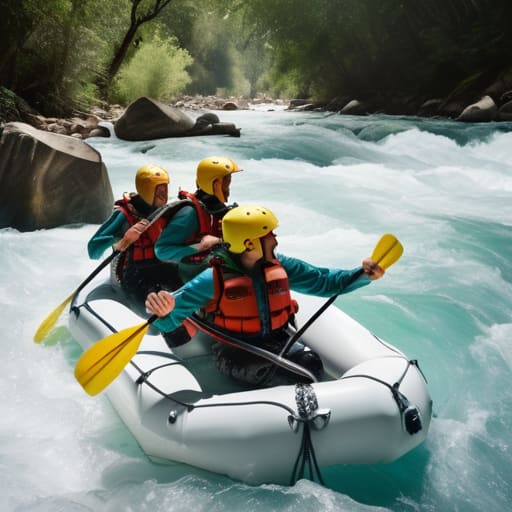
As we wrap up our pre-adventure briefing, remember that safety isn’t about dampening the excitement; it’s about building the foundation that allows you to truly embrace the chaos. We’ve covered the essentials: learning to read the river’s language by understanding those tricky difficulty levels and ensuring your PFD is snug enough to be a second skin. Think of these protocols as your cultural compass—they don’t dictate where you go, but they ensure you arrive with your sense of wonder (and your dignity) intact. When you respect the current and trust your gear, you move from being a mere spectator to a true participant in the river’s wild dance.
In my little notebook, I often jot down the Portuguese phrase “dar o salto,” which roughly translates to “taking the leap.” River rafting is exactly that—a leap of faith into the unknown. There will be moments when the spray hits your face and the roar of the water drowns out everything else, but in that rush, you’ll find a profound connection to the raw, unscripted pulse of the earth. Don’t just aim to survive the rapids; aim to witness them. Go out there, respect the water, and let the river tell you its story. The world is far too wide to stay on the shore.