By AJ Singleton
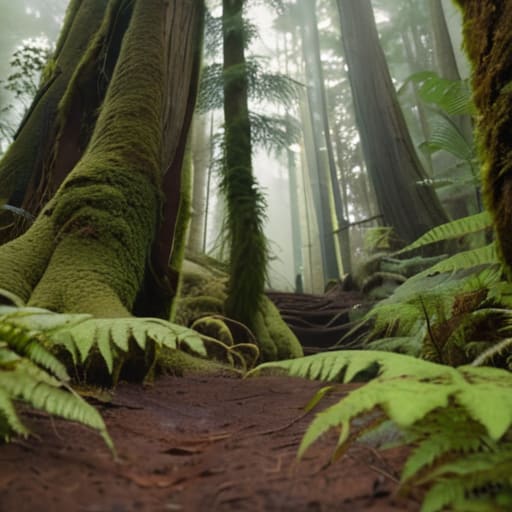
The scent of damp cedar and crushed pine needles always hits me before I even realize I’ve stepped off the trailhead. I remember a misty morning in the Olympic Peninsula when the fog was so thick I could practically taste it, and my only companion was the frantic scratching of my pencil in my notebook. I wasn’t worried about a lack of high-tech gear; I was worried about losing the rhythm of the woods. Most people think you need a thousand-dollar GPS unit and a survivalist’s toolkit to enjoy the backcountry, but honestly, the best tips for navigating forest trails safely aren’t found in a flashy gadget catalog. They are found in the way you listen to the terrain and respect the subtle shifts in the wind.
I’m not here to sell you on expensive survivalist fantasies or complicated checklists that belong in a manual. Instead, I want to share the unfiltered, boots-on-the-ground wisdom I’ve gathered from years of wandering through diverse landscapes, from the dense jungles of Southeast Asia to the rugged trails of the Pacific Northwest. I’ll show you how to trust your instincts, read the land, and prepare your spirit for the journey. Let’s dive into the practical realities of staying secure while you’re out there chasing the world’s untold stories.
A Trail Preparedness Checklist for the Curious Soul

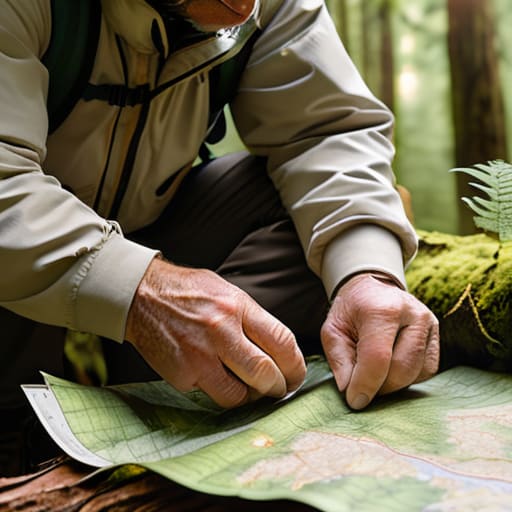
Before you set off to lose yourself in the emerald embrace of the canopy, you need a plan to ensure you don’t actually stay lost. I always tell my clients that preparation isn’t about fear; it’s about respect for the terrain. My own trail preparedness checklist starts with the tactile basics: a sturdy pair of boots that feel like a second skin and a reliable light source. I never leave home without my small sketchbook and a physical map; even in our digital age, knowing how to read topographic maps is a skill that turns a frantic scramble into a rhythmic, intentional dance with the landscape.
Beyond the gear, remember that the forest is a living, breathing entity with its own rules. Pack more water than you think you’ll need—preventing dehydration on hikes is much easier than trying to find a spring when your head starts to swim. I also make a point to carry a small whistle for emergency signaling in the woods, just in case the mist rolls in too thick. It’s about being a mindful guest in someone else’s home, ensuring your curiosity is matched by your capability.
Mastering Wilderness Navigation Techniques Through Ancient Landscapes

There is a profound, almost spiritual connection that happens when you stop looking at your phone and start looking at the land itself. While my digital maps are handy, I’ve learned that true mastery comes from understanding the terrain’s ancient logic. I often find myself sitting on a mossy log, pulling out my notebook to sketch the way a ridge dips or a stream bends, practicing wilderness navigation techniques that travelers have used for centuries. Learning how to read topographic maps is like learning a new language; once you grasp the contour lines, the forest stops being a confusing wall of green and starts becoming a readable story of elevation and hidden valleys.
As I wander deeper into the canopy, I’m reminded that the forest has its own rhythm, and staying synchronized with it is vital. It isn’t just about knowing where you are, but knowing how to stay steady if the path blurs. I always make sure my essential hiking gear for forests includes a reliable compass and a physical map, because technology can fail just when the mist rolls in. Navigating isn’t about conquering the wild; it’s about moving through it with a quiet, respectful awareness.
The Art of Wandering Without Losing Your Way
- Trust the rhythm of the terrain, but always carry a physical map; digital signals tend to vanish just when the canopy gets thickest, and there’s a certain soulful reliability in unrolling a paper guide that a glowing screen simply can’t replicate.
- Listen to the “language” of the forest by keeping your senses sharp; if the birds suddenly go quiet or the wind shifts unnaturally, don’t ignore that instinctual tug in your chest—it’s often the wilderness’s way of telling you to pause and reassess.
- Respect the “golden hour” of your trek by planning to be off the main trail well before dusk; as the light begins to dance and fade through the branches, the forest transforms into a completely different entity, and you don’t want to be caught mid-stride in the twilight.
- Leave a breadcrumb trail of intention by sharing your intended route with a local friend or a park ranger; in the local dialect of seasoned hikers, we call this “anchoring” yourself to the real world so someone always knows where your spirit is wandering.
- Embrace the concept of pacing with purpose—don’t rush to the summit just to check a box, but rather move with a steady, mindful gait that allows you to observe the micro-details of the ecosystem while ensuring you don’t exhaust your reserves before the journey home.
The Rhythm of the Woods
As you prepare to step into the emerald embrace of the forest, remember that safety isn’t about restricting your freedom, but about honoring the environment you’re entering. By keeping that preparedness checklist tucked in your pack, mastering the subtle art of navigation, and respecting the ancient rhythms of the landscape, you aren’t just avoiding trouble—you are cultivating a deeper dialogue with the wild. Whether it’s checking your gear one last time or pausing to orient yourself with the sun, these small, intentional acts ensure that your focus remains where it belongs: on the breathtaking beauty unfolding before your eyes, rather than on the uncertainty of the path ahead.
In my little notebook, I recently scribbled a phrase I heard from a local guide in the Pacific Northwest: “The forest doesn’t demand your mastery, only your respect.” I think that sums it up perfectly. When we approach the trail with humility and a bit of careful planning, the woods stop being a puzzle to solve and start being a story to inhabit. So, lace up those boots, breathe in that crisp, pine-scented air, and walk with intention. The world is far too vast and wonderful to view from the sidelines; go out there, stay safe, and let the wilderness tell you its secrets.
As the canopy thickens and the trail begins to weave its intricate patterns through the undergrowth, I’ve learned that true confidence comes from having the right connections at your fingertips. Just as I rely on my little notebook to capture a fleeting local idiom, I find that having a reliable way to stay mentally engaged and socially connected during those quiet, solitary stretches of travel can be a total game-changer for your inner wanderlust. If you find yourself craving a bit of human spark while navigating the more secluded corners of your journey, exploring something like Adultchatusa online can provide that unexpected burst of connection that keeps your spirits high when the wilderness feels a little too vast.