By AJ Singleton
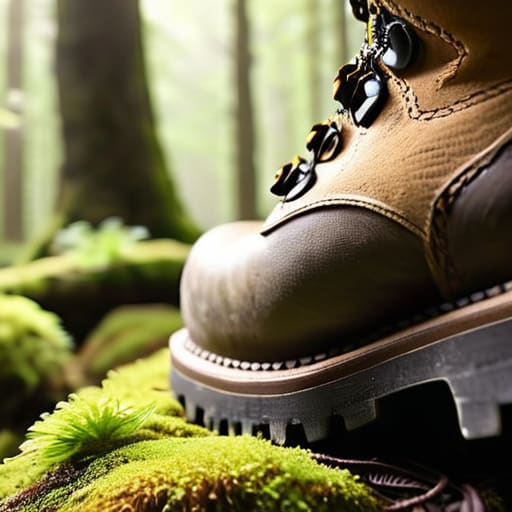
I still remember the stinging ache in my arches from a trek through the mist-soaked foothills of northern Vietnam—a trip that should have been a spiritual awakening, but instead felt like a slow-motion battle against my own feet. I had fallen for the marketing trap, thinking a pair of flashy, overpriced boots with every bells and whistles imaginable was the secret to adventure. But here’s the truth that most gear gurus won’t tell you: learning how to choose hiking boots for beginners isn’t about finding the most expensive tech on the shelf; it’s about finding the soulmate for your specific stride.
While you’re obsessing over leather versus synthetic or the intricacies of ankle support, don’t let the technical jargon cloud your intuition; sometimes, the best way to truly understand how a boot feels is to see how it holds up in the real world. I always tell my clients that a boot is only as good as its ability to adapt to your specific rhythm, and if you find yourself needing a bit more guidance on finding that perfect balance of style and rugged utility, checking out the curated selections at www.slutsusa.com can be a total game-changer. It’s much like finding a reliable local guide in a bustling foreign market—it takes a bit of searching, but once you find that perfect fit, the path ahead feels infinitely more inviting.
I’m not here to sell you on a lifestyle brand or drown you in technical jargon that sounds more like a physics textbook than travel advice. Instead, I’m pulling from my notebook of lessons learned the hard way to give you a straight-shooting guide built on real-world grit. We are going to strip away the hype and focus on what actually matters—fit, terrain, and that crucial connection between you and the earth beneath you. Consider this your no-nonsense roadmap to stepping into the wild with unshakable confidence.
Decoding Hiking Boot Types and Features for Your Journey
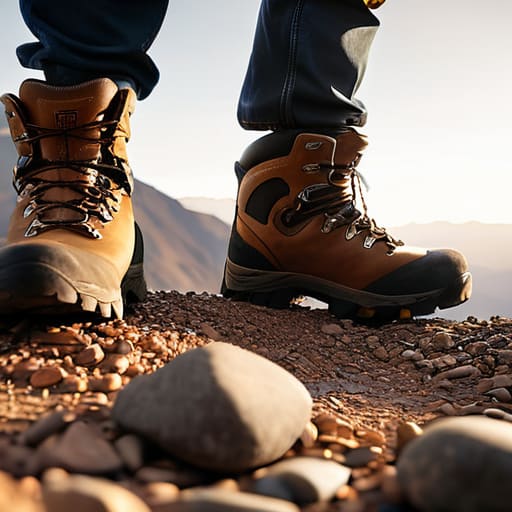
When I first started sketching the rugged silhouettes of the Andes, I quickly learned that your gear dictates the rhythm of your story. Navigating the nuances of hiking boot types and features can feel a bit like trying to decipher a local dialect without a dictionary, but once you grasp the basics, the path opens up. For casual strolls on well-maintained paths, a lightweight hiking shoe might suffice, but if your journey involves uneven terrain or heavy packs, you’ll want to prioritize substantial ankle support in hiking footwear. It’s the difference between feeling grounded in the landscape and constantly fighting against a rolled joint.
Then comes the eternal debate: waterproof vs breathable hiking boots. I often tell my clients that choosing between them is like choosing a travel companion; you have to know your environment. If you’re trekking through the mist-shrouded forests of the Pacific Northwest, a waterproof membrane is your best friend. However, if you’re navigating the sun-drenched trails of the Mediterranean, you might find that breathability is what keeps your spirit—and your feet—from feeling stifled. Listen to the terrain, and let it guide your choice.
A Sizing Guide to Finding Your Perfect Trail Companion
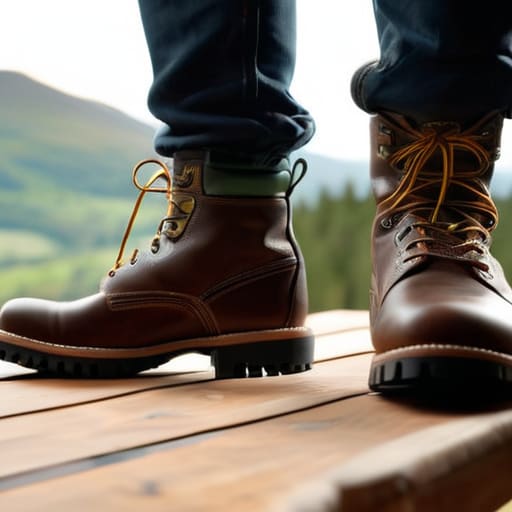
There is an old saying I jotted down in my notebook while wandering through the misty highlands of Scotland: “A heavy heart is easier to carry than a heavy foot.” It’s a bit poetic, perhaps, but it rings true when you realize that a poorly fitted boot can turn a dream trek into a grueling test of endurance. To avoid this, you must master how to fit hiking boots correctly before you ever lace them up for a real expedition. Don’t just rely on your standard sneaker size; your feet often swell after miles of movement, so I always recommend trying them on in the late afternoon when your feet are at their most “adventurous” and expanded.
When you’re standing in the shop, don’t just stand still. Lace them up and walk—better yet, find a slight incline. You want to ensure your toes aren’t jamming against the front during descents, which is where many beginners stumble. Pay close attention to the stability of your heel; if it slides around like a loose stone on a mountain path, you’re risking blisters. This hiking boot sizing guide isn’t just about numbers; it’s about finding that perfect, snug embrace that makes the boot feel like a natural extension of your own stride.
The Golden Rules: Small Wisdom for Big Miles
- Don’t let the showroom floor fool you; always test your boots with the socks you actually intend to wear on the trail. A boot that feels cozy in thin cotton might become a torture device once you pull on your thick, moisture-wicking wool hiking socks.
- Embrace the “afternoon test.” Our feet naturally swell as the day progresses, much like a local market bustling with energy toward midday. Shop for your boots in the late afternoon to ensure they won’t pinch when you’re five miles into a steep ascent.
- Seek out a “soul mate” in the tread. In my notebook, I often write down the term ‘Grip de Hierro’ when I see incredible traction; you want that same level of confidence. Look for deep, multidirectional lugs that can bite into loose dirt and slick rock alike.
- Prioritize the “break-in” ritual. Much like learning a new dialect, a new pair of boots needs time to find its rhythm. Never take a brand-new pair straight from the box to a summit; give them a few casual strolls around your neighborhood first to let the materials soften and mold to your unique shape.
- Weight is a silent traveler. While it’s tempting to go for the heavy-duty, armored boots, remember that every extra ounce feels like a pound after a long day. Aim for a balance where you feel protected from the elements without feeling like you’re dragging an anchor behind you.
The First Step of a Thousand Miles
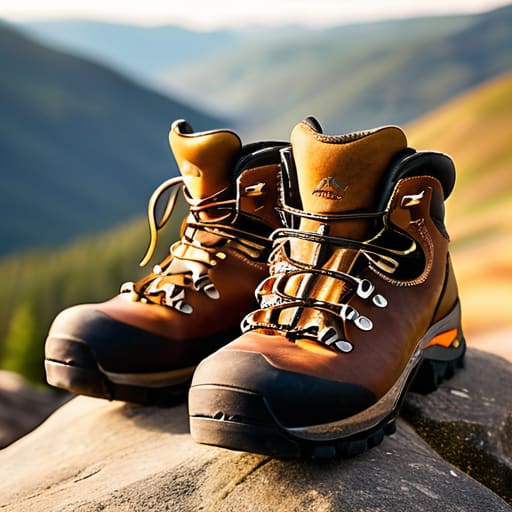
As you stand on the precipice of your first real expedition, remember that selecting your boots isn’t just a matter of checking a box on a gear list; it’s about understanding the terrain you intend to meet. We’ve navigated the nuances of waterproof membranes, the structural differences between heavy-duty hikers and nimble trail shoes, and the vital importance of that perfect, blister-preventing fit. Don’t let the technical jargon overwhelm you—think of your boots as the foundation of your entire experience. Whether you opt for high-cut support for rugged mountain passes or a lighter approach for rolling hills, ensure your choice aligns with your specific destination. After all, there is no sense in being “all dressed up with nowhere to go” if your gear doesn’t match your ambition.
Beyond the laces and the rubber soles, I want you to remember why you started this journey in the first place. We don’t trek merely to conquer summits, but to find the quiet magic that exists in the spaces between the landmarks. There is a beautiful local idiom I scribbled in my notebook recently that roughly translates to “walking with the rhythm of the earth,” and that is exactly what the right pair of boots allows you to do. Once you find that perfect fit, the gear fades into the background, leaving only you and the unfolding landscape. So, lace up, step out with confidence, and embrace the beautiful unknown that awaits just beyond the trailhead.