By AJ Singleton
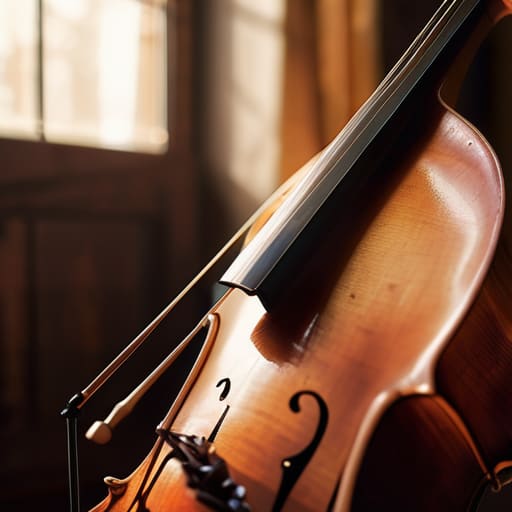
I was sitting in a cramped, dimly lit café in Marrakech last spring, sketching the rhythmic chaos of the spice market, when a street performer began a frantic, beautiful melody on an oud. It hit me then: most people treat the idea of musical mastery like some elite, expensive mountain peak reserved for the gifted or the wealthy. We’ve been fed this myth that you need a conservatory education or a pristine grand piano to truly feel the magic. But honestly? That’s nonsense. The real benefits of learning a musical instrument aren’t found in a perfect recital or a gold-plated instrument; they are found in the raw, messy process of finding your own frequency amidst the noise of the world.
I’m not here to sell you on some polished, academic theory or a list of clinical cognitive improvements that sound like they were ripped from a textbook. Instead, I want to share what I’ve gathered from my travels and my own clumsy attempts at rhythm—the kind of soul-deep connection that happens when you finally stop worrying about the notes and start listening to the story they tell. I promise to give you a straight-shooting look at how music actually shifts your perspective and weaves you into the global tapestry of human connection.
Cognitive Development and Music Tuning the Minds Inner Compass
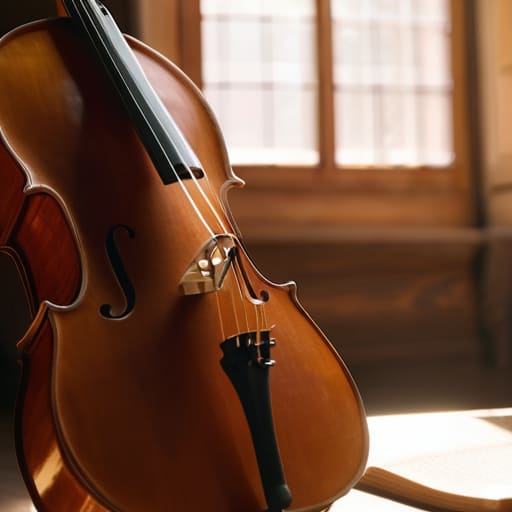
I remember sitting in a small, sun-drenched café in Florence, sketching the weathered facade of a local conservatory, when I overheard an elderly man explaining to his grandson that music isn’t just sound—it’s “the architecture of the soul.” As an anthropologist, I’ve always been fascinated by how we build ourselves, and it turns out that building a musical foundation is one of the most profound ways to reshape our internal landscape. When we dive into the complexities of rhythm and melody, we aren’t just making noise; we are engaging in a deep dialogue with our own biology.
The science backs up this poetic sentiment beautifully. Research into musical training and brain plasticity suggests that the act of practicing an instrument actually re-wires our neural pathways, much like a traveler carving new trails through a dense jungle. This isn’t just about memorizing notes; it’s about sharpening the very tools we use to navigate reality. By engaging both hemispheres of the brain simultaneously, we enhance our ability to process information, effectively tuning the mind’s inner compass to be more resilient, focused, and profoundly aware of the world’s intricate patterns.
Musical Training and Brain Plasticity Rewiring the Souls Architecture
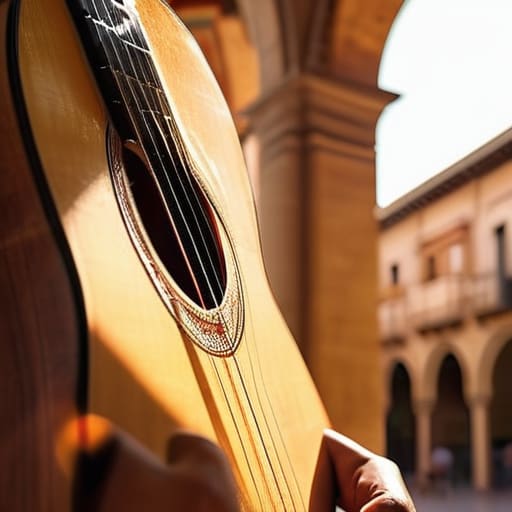
I remember sitting in a small, sun-drenched plaza in Seville, sketching the intricate patterns of a nearby cathedral, when a street performer began a flamenco guitar set. As I watched his fingers dance, I realized he wasn’t just playing notes; he was physically reshaping his connection to the world. Science tells us this isn’t just poetic metaphor. Through musical training and brain plasticity, our neural pathways actually undergo a profound structural renovation. It is as if the brain is a landscape being re-mapped, creating new bridges and shortcuts that allow us to process information with a newfound, rhythmic agility.
This internal architecture doesn’t just stay confined to the music room. When we commit to the slow, sometimes frustrating process of mastering a scale, we are essentially re-engineering our capacity for focus. This deep dive into sound creates a ripple effect, where the mental grit required for a difficult sonata translates into a heightened sense of perseverance in every other facet of life. It’s a beautiful, invisible alchemy—the way a simple melody can fundamentally strengthen the very scaffolding of our intellect.
Finding Your Rhythm: Five Ways to Embark on Your Musical Odyssey
- Embrace the “Beautiful Mess” of the Learning Curve. In my notebook, I often jot down the Japanese concept of Wabi-sabi—finding beauty in imperfection. When you first pick up a cello or a flute, you won’t sound like a maestro; you’ll sound like a squeaky gate. Embrace those discordant notes. They aren’t failures; they are the raw, honest sketches of your musical evolution.
- Listen Before You Leap. Just as I spend hours observing the cadence of a street market in Marrakech before sketching it, try to truly listen to the music around you. Don’t just hear the melody; feel the heartbeat of the percussion and the breath behind the woodwinds. Developing an “ear” is just as vital as developing finger dexterity.
- Create a Sacred Ritual, Not a Chore. If you treat practice like a grueling trek up a steep mountain without a view, you’ll burn out before the summit. Instead, make it a ritual. Light a candle, grab a tea, and let those twenty minutes be a sanctuary of focus amidst the chaos of daily life.
- Seek the Human Connection. Music is rarely a solo journey in the soul. Whether it’s joining a local community ensemble or simply playing a simple folk song for a friend, use your instrument as a bridge. Much like my anthropology studies taught me, the most profound cultural exchanges often happen when we stop talking and start sharing a rhythm.
- Let Curiosity Be Your Metronome. Don’t get trapped in the rigid architecture of sheet music alone. Wander! If you’re learning the piano, try to mimic the soulful blues you heard in a basement club or the rhythmic patterns of a West African drum. Let your curiosity drive you to explore genres that feel foreign to you; that’s where the real magic—and the real growth—resides.
The Final Movement: Finding Your Own Rhythm
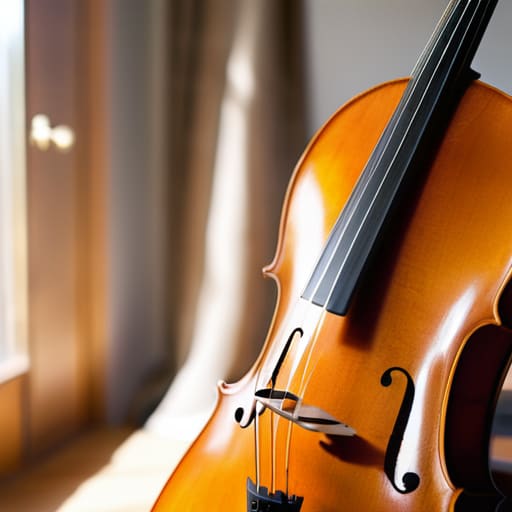
As we’ve traced through the intricate layers of how music reshapes our very being, it becomes clear that picking up an instrument is far more than a mere hobby. We’ve seen how it acts as a master key, unlocking enhanced cognitive dexterity and physically sculpting the architecture of our brains through neuroplasticity. It isn’t just about hitting the right notes on a page; it’s about the profound way music tunes our mental compass, sharpening our focus and fostering a unique kind of emotional resilience that stays with us long after the final chord has faded. Whether you are navigating the complex scales of a piano or the rhythmic heartbeat of a drum, you are essentially building a more vibrant, interconnected version of yourself.
I often think back to a phrase I scribbled in my notebook while sitting in a small courtyard in Seville—“La música es el lenguaje del alma”—music is the language of the soul. To learn an instrument is to learn a new dialect of human connection, one that transcends borders and bypasses the limitations of spoken word. Don’t let the fear of a few sour notes hold you back from this grand adventure. Embrace the dissonance, celebrate the practice, and let the melody lead you toward a deeper understanding of the world and your place within its beautiful, chaotic symphony. Your song is waiting to be played.
Beyond the solitary practice of scales in a quiet room, I’ve found that music truly begins to breathe when you step into the vibrant, unpredictable energy of a live scene. There is a certain unspoken camaraderie that forms when you realize everyone in the room is vibrating to the same frequency, much like the way a local idiom can instantly bridge the gap between strangers in a crowded plaza. If you’re looking to find that rhythmic pulse and connect with the more spirited, social side of a musical landscape—perhaps while exploring the high-energy nightlife of a city like Nevada—checking out las vegas hookups can be a fantastic way to find those unexpected connections and shared experiences that turn a simple melody into a lifelong memory.