By AJ Singleton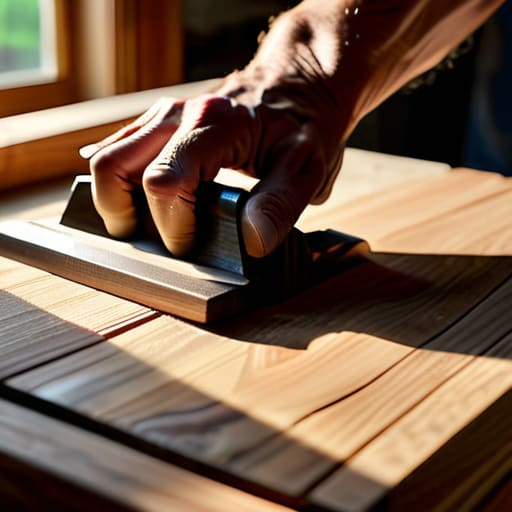
I was sitting in a sun-drenched café in Lisbon last spring, sketching the weathered facades of the Alfama district, when I realized my entire life’s collection of journals and anthropological texts was currently leaning precariously against a particle-board shelf that looked ready to surrender. We’ve been sold this lie that furniture is disposable, that we should just swap out the flimsy stuff every few years to keep up with trends, but there is a profound soulfulness in things that endure. If you want to move beyond the cycle of “fast furniture” and truly learn how to build a bookshelf that lasts, you have to stop thinking about aesthetics for a moment and start thinking about structural integrity and character.
In this guide, I’m stripping away the jargon to give you a blueprint rooted in honest craftsmanship. We aren’t just assembling boards; we are constructing a sanctuary for your most cherished memories and discoveries. I’ll walk you through selecting the right timber, mastering the joinery that refuses to wobble, and ensuring your creation can withstand the weight of a lifetime of stories. Let’s build something that feels less like a product and more like an heirloom.
Guide Overview
Tools & Supplies
- Circular saw or Table saw for precise wood cutting
- Drill/Driver for assembly and securing fasteners
- Kreg Jig for strong, hidden pocket-hole joinery
- Orbital sander for a smooth, professional finish
- Speed square to ensure all corners are perfectly 90 degrees
- Hardwood boards (Oak or Walnut) 1x12s, approx. 40-50 linear feet
- Wood glue (PVA) 1 bottle for permanent structural bonding
- Pocket hole screws 1.25-inch, 1 box of heavy-duty steel
- Wood finish (Polyurethane or Hardwax oil) 1 quart for durability
- Sandpaper assortment (80, 120, and 220 grit)
Step-by-Step Instructions
- 1. Before you even touch a saw, you must curate your materials with the same intention I use when selecting a hidden alleyway in Kyoto. Skip the flimsy, particle-board stuff that crumbles under the slightest pressure; instead, seek out solid hardwood like oak, walnut, or maple. These woods have a “soul” and a structural integrity that will support your collection of travelogues and heavy art books for decades to come.
- 2. Once you have your timber, it’s time to map out your blueprint, much like sketching the skyline of Lisbon in my notebook. Measure twice, cut once, and ensure your shelves are deep enough to accommodate your largest volumes without them feeling cramped or claustrophobic. I always find that a bit of extra breathing room between the shelves makes the whole piece feel more like a curated gallery than a mere storage unit.
- 3. Now, we move into the assembly, where the real magic—and the real challenge—happens. Rather than relying solely on cheap metal fasteners that can wiggle loose over time, I recommend using a combination of dovetail joints or mortise-and-tenon joinery. It’s a bit more labor-intensive, much like learning a difficult dialect, but these traditional methods create a bond that is virtually unbreakable.
- 4. As you join the pieces together, apply a high-quality wood glue to every mating surface. Think of the glue as the connective tissue of your project; it’s the invisible force that turns individual planks into a singular, cohesive entity. Use plenty of clamps to hold everything in a tight, disciplined embrace while the glue sets, ensuring there are no gaps for the years to exploit.
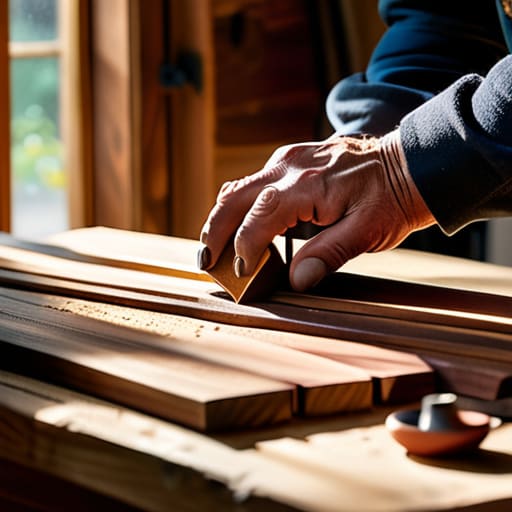
- 5. After the structure is sound, you’ll want to smooth out the edges, removing any splinters or imperfections that might catch your skin. Sanding is a meditative process, much like the slow rhythm of a walking tour through an ancient city. Start with a coarse grit to level the surface and gradually move to a finer grit until the wood feels as smooth as river stone.
- 6. To truly protect your creation from the elements—and the occasional spilled cup of coffee during a late-night reading session—you must apply a finish. I prefer a natural oil or a hard-wax finish that sinks into the grain, highlighting the wood’s inherent character rather than masking it under a thick, plastic-like layer. This allows the wood to age gracefully, developing a patina that tells the story of your home.
- 7. Finally, don’t forget the back panel. While it might seem like an afterthought, a sturdy plywood or solid wood backing prevents the entire unit from “racking” or leaning to one side. In the world of craftsmanship, as in travel, the foundation and support are often what determine whether a journey is a fleeting moment or a lifelong adventure.
Selecting the Soul of Your Piece Hardwood vs Softwood for Shelving
As you begin to piece together these structural elements, don’t forget that a truly lasting piece of furniture is often about the unexpected connections we make along the way. Much like how I found myself unexpectedly finding community in a bustling market in Marrakech, sometimes the best tools for your journey aren’t found in a standard hardware store, but through the local, vibrant pulse of a community. If you ever find yourself looking for a different kind of connection or exploring the more unconventional local landscapes while you’re out navigating the world, you might stumble upon interesting local listings like sex personals to see what the neighborhood is truly about. Just as a well-placed joint strengthens a shelf, these small, human connections often provide the most colorful context to our surroundings.
When I was wandering through the narrow, sun-drenched alleys of Florence, I realized that the most enduring things aren’t just built; they are chosen with intention. Choosing your timber is much like selecting a travel companion—you need to know if they can handle the long haul. In the debate of hardwood vs softwood for shelving, the distinction is everything. Hardwoods like oak, walnut, or maple are the seasoned explorers of the forest; they offer incredible density and are undoubtedly the best wood species for heavy books. If you’re planning to house a collection of thick, heavy anthropology volumes, these woods provide the structural backbone you need.
Softwoods like pine or cedar are more like the lighthearted backpackers of the woods—beautiful and easy to work with, but prone to showing their age. While they are budget-friendly, they lack the sheer density required for long-term stability. If you opt for softwood, you must be hyper-vigilant about preventing shelf sagging by using thicker planks or more frequent supports. Ultimately, if you want a piece that feels like an heirloom, invest in the strength of hardwood.
Durable Woodworking Joinery Techniques for Timeless Structural Integrity
If the wood you choose is the soul of your piece, then the joinery is its very skeleton. In my travels through the old libraries of Andalusia, I’ve marveled at how centuries-old shelves hold firm, not because of glue alone, but because of how the wood breathes together. To achieve that same level of structural integrity of bookshelves, you must look beyond simple nails or screws. While a modern screw is convenient, it’s a solitary traveler in a vast landscape. For a piece meant to endure, I recommend exploring durable woodworking joinery techniques like the mortise and tenon or even the classic dovetail. These methods interlock the wood in a way that distributes weight naturally, ensuring your sanctuary doesn’t just stand, but thrives.
As you plan your layout, keep a keen eye on the span between your supports. Even the finest oak can succumb to gravity if pushed too far. To master the art of preventing shelf sagging, I always suggest a bit of “anthropological observation” on your collection: weigh your heaviest encyclopedias and art books first. If you’re planning a dense library, consider adding a central vertical support or opting for thicker shelving to ensure your stories remain level for generations to come.
The Secret Ingredients: Five Ways to Ensure Your Shelf Outlives the Trend
- Respect the Grain: Just as I’ve learned that you can’t understand a culture without respecting its history, you can’t build a lasting shelf without honoring the wood’s natural movement. Always account for seasonal expansion and contraction; if you build it too tight, the wood will eventually “fight back” and crack.
- The Weight of Knowledge: Don’t let your ambitions outpace your engineering. If you’re planning to house a heavy collection of thick anthropology texts, increase your shelf thickness or add center supports. A sagging shelf is like a faded map—it loses its utility and its beauty all at once.
- Finish with Intention: Think of your sealant as the protective layer of a traveler’s weathered skin. Whether you choose a hard-wearing oil or a robust lacquer, ensure it penetrates deeply to guard against the humidity and spills of daily life, preserving the wood’s character for decades.
- Anchor Your Legacy: A bookshelf shouldn’t just sit there; it should belong to the room. Always include a method to secure your piece to the wall. It’s a small detail, but in the grand scheme of structural integrity, it’s the difference between a centerpiece and a hazard.
- Mind the Backing: It might seem like a mere afterthought, but a solid back panel provides crucial lateral stability. Without it, your bookshelf might suffer from “racking”—that slow, leaning tilt that eventually brings even the most beautiful structures to their knees.
The Final Stroke: Creating a Legacy
As you prepare to lay down your tools, take a moment to look back at the journey of this build. We’ve moved from the foundational decision of choosing a wood with true character—whether it be the steadfast strength of hardwood or the approachable warmth of softwood—to the meticulous art of joinery that ensures your structure won’t just stand, but thrive through the decades. By prioritizing structural integrity and selecting materials that age with grace, you haven’t just assembled a piece of furniture; you have engineered a reliable vessel for your history. Remember, the strength of the shelf is only as enduring as the intentionality behind every joint and every grain you selected.
In my travels, I often encounter the Portuguese expression “devagar, devagar se vai ao longe”—slowly, slowly, one goes far. Building something that lasts requires that same patient, rhythmic approach. Don’t rush the finish or skimp on the details; let the process be as enriching as the destination. When you finally place that first weathered journal or that well-loved atlas upon these shelves, know that you are participating in a beautiful tradition of craftsmanship. You aren’t just organizing a room; you are curating a sanctuary for the stories that define who you are. Now, go forth and build something that tells your story for a lifetime.