 By dorothyajvillas
In our busy lives, stress can feel overwhelming. Work, family, and constant device notifications add to the pressure. Finding ways to relax is key to staying calm and well.
Stress levels in the US are rising fast. We need simple ways to ease this stress.
I’ve found quick relaxation methods that fit into my day. Techniques like deep breathing and visualization help me relax. They slow my heart rate, lower blood pressure, and boost my mood.
These methods are easy to use anywhere, cost little, and are safe. I hope you’ll try them and see how they can improve your life.
Key Takeaways
- Relaxation techniques can effectively lower stress symptoms.
- Practices like deep breathing and meditation support a calm mind.
- Many techniques can enhance overall health and improve sleep.
- These strategies are low cost and can be done almost anywhere.
- It’s important to find techniques that work best for you and to be patient during the process.
Why Relaxation Techniques are Essential for Stress Management
Relaxation techniques play a key role in managing stress. They offer quick relief and long-term strategies for dealing with stress and health issues. By adding these techniques to my daily life, I see many benefits for my physical and emotional health.
Methods like deep breathing, meditation, and yoga are great for stress management. They help reduce physical symptoms caused by stress, improving overall health. Studies show these techniques can lower blood pressure and heart rate, fighting the stress response in my body. Meditation, for example, helps me focus and find peace, reducing anxiety.
Stress can lead to serious health problems, making it important to manage it. Techniques like progressive muscle relaxation and guided imagery help lower cortisol levels, reducing stress feelings. This approach boosts mental clarity and emotional well-being.
By making these techniques a part of my daily routine, I develop healthier ways to cope with stress. I can find classes, books, or online resources to learn how to use them effectively. This leads to significant improvements in my health.
Best Relaxation Techniques for Instant Stress Relief
Using effective relaxation techniques is key to quick stress relief. These methods calm the mind and boost well-being. Here are some top techniques I’ve found helpful.
Deep Breathing
Deep breathing is a top stress relief technique for me. The 4-7-8 method, breathing in for four, holding for seven, and exhaling for eight, calms the mind and body. It lowers anxiety and brings inner peace.
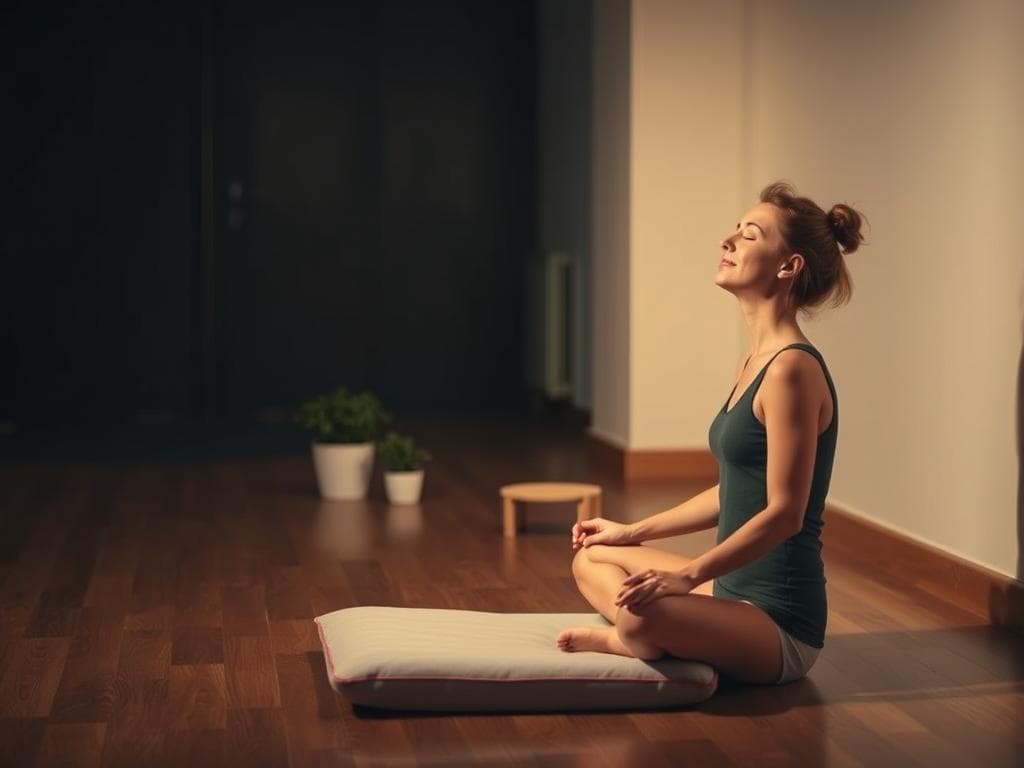
Mindful Meditation
Mindful meditation helps me stay present. I focus on my breath and thoughts without judgment. Just 10 minutes a day can change my brain’s stress response. It’s powerful, whether I use a mantra or focus on a visual.
Progressive Muscle Relaxation
In progressive muscle relaxation, I tense and then relax muscles while breathing. It increases body awareness and shows tension and relaxation differences. It reduces stress and brings deep calm.
Visualization Techniques
Visualization takes my mind to peaceful places. Guided imagery lets me imagine calm scenes. It creates calming images that reduce stress and improve my mood.
Additional Wellness Strategies to Enhance Relaxation
Trying different wellness strategies can really help me relax better. These methods add to what I already do to feel good. Exercise is a big help. It makes me feel happy and less stressed.
Doing at least 20-30 minutes of exercise a day is key. It helps me manage stress and relax more.
Incorporating Exercise
Exercise is a natural way to reduce stress. Activities like jogging, yoga, or brisk walking help lower cortisol levels. This makes me feel less anxious.
Endorphins from exercise make me feel happy. This helps me deal with daily life better. A regular workout routine improves my mood and health.
Establishing a Healthy Diet
Eating well is important for managing stress. Eating foods rich in nutrients can make me feel better and think clearer. Foods like dark chocolate and green tea help reduce stress.
By eating a balanced diet, I give my body what it needs. This supports relaxation and overall health.
Engaging in Creative Activities
Doing creative things is another great way to reduce stress. Activities like painting, playing music, or writing help me express myself. They make me focus on the present.
Creativity is a way to relax and clear my mind. Adding these activities to my routine brings more peace and calm.
Conclusion
Learning relaxation techniques is key for better wellness and stress management. These methods reduce stress and offer quick benefits like a better mood and more energy. Deep breathing and progressive muscle relaxation help fight anxiety and bring calm.
Adding these practices to my daily life has changed me. Mindfulness and visualization help fight stress and boost my emotional strength. When I combine these with exercise and healthy eating, I feel happier and more balanced.
But, it’s important to note that what works for one person might not work for another. If stress doesn’t go away, talking to a healthcare professional is a good idea. By focusing on relaxation, I’m building a healthier, happier life that supports my mental and physical health.

 AJ Singleton