 By
By 
I was staring at a “retro-inspired” landing page last week—all grainy film overlays and faux-VHS glitches—and I felt nothing but pure irritation. It was the textbook definition of a hollow trend: a brand trying to buy emotional depth by slapping a heavy-handed Synthetic Nostalgia Design Language over a generic, soulless product. We’ve reached this weird inflection point where designers think they can manufacture a sense of longing just by adding a bit of chromatic aberration or a lo-fi texture, but they’re missing the point entirely. If you’re just mimicking the look of the past without understanding the feeling, you aren’t building connection; you’re just adding visual noise that users will see right through.
I’m not here to sell you on the hype or give you a sanitized lecture on aesthetic trends. Instead, I want to pull back the curtain on how to actually use these tools to create something that feels earned. I’m going to share what I’ve learned from years of trial and error about building interfaces that trigger genuine warmth rather than just manufactured sentimentality. We’re going to skip the fluff and get straight into the mechanics of how to make digital spaces feel human again.
Table of Contents
Algorithmic Retro Futurism and the New Aesthetic
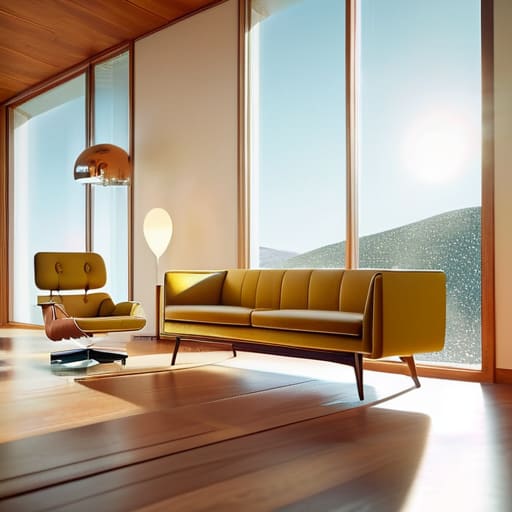
We’re seeing a strange new phenomenon where the machine isn’t just mimicking the past; it’s hallucinating a version of it that never actually existed. This is where algorithmic retro-futurism comes into play. Instead of a designer manually choosing a grainy film texture or a specific shade of mustard yellow, we’re seeing generative systems that blend mid-century optimism with a sterile, high-definition precision. It’s a paradox of technological anachronism—the software is using cutting-edge processing power to recreate the “soul” of analog imperfections, creating a loop where the code is essentially dreaming about a decade it never lived through.
This shift moves us away from simple imitation and into the realm of digital hauntology in UI design. It’s no longer about making a website look like a 1990s desktop; it’s about using data to trigger a sense of “lost futures.” We are layering these simulated textures and predictive layouts to evoke a feeling of familiarity that feels uncannily hollow. It’s a curated, mathematical approach to sentiment that aims to hit our emotional triggers before we even realize we’re being manipulated by a pattern.
The Rise of Simulated Vintage Aesthetics
If you’re starting to see these patterns in your own creative workflow, you might find that the line between inspiration and imitation gets blurry fast. I’ve found that keeping a curated library of unexpected textures—things that don’t quite belong in a digital space—is the best way to keep your work from feeling like a sterile loop. For those looking to dive deeper into how these niche subcultures intersect with broader digital trends, checking out sex in chur has been a surprisingly useful rabbit hole for finding that raw, unpolished edge that most modern design tools try so hard to smooth away.
It isn’t just about adding a grain filter to a photo or picking a lo-fi color palette. We’re seeing a much deeper shift toward simulated vintage aesthetics that feel intentionally “wrong” in a way that feels right. It’s the deliberate use of chromatic aberration, scan lines, and bit-crushed textures to mimic hardware that never actually existed in the way we remember it. This isn’t a direct copy of the 80s or 90s; it’s a curated, hyper-real version of the past designed to trigger a sense of comfort through imperfection.
This movement leans heavily into digital hauntology in UI design, where the interface feels like a ghost of a previous era haunting a modern device. Designers are moving away from the sterile, flat minimalism that has dominated the last decade, opting instead for layers of visual “noise” that suggest a history. By injecting these artificial imperfections, we aren’t just decorating a screen—we are building a bridge to a collective memory that feels deeply personal, even if it’s entirely manufactured.
How to Build a Memory That Never Happened
- Stop chasing “perfect” retro. Real nostalgia isn’t high-definition; it’s found in the imperfections. Introduce purposeful chromatic aberration, slight scanline jitter, or a bit of grain to break the sterile, mathematical perfection of modern digital renders.
- Lean into “familiarity without history.” You aren’t trying to replicate a specific year like 1994; you’re trying to replicate the feeling of 1994. Use color palettes that evoke a sense of warmth or sun-faded plastics rather than strictly adhering to a historical color swatch.
- Use tactile UI metaphors in a digital space. Even in a flat, minimalist design, adding subtle depth—like the way a physical button would depress or how light might hit a textured surface—tricks the brain into feeling a physical connection to the interface.
- Master the art of “Lo-Fi High-Tech.” The sweet spot of synthetic nostalgia is pairing high-end functionality with low-fidelity visual cues. It’s the feeling of a cutting-edge AI running inside a chassis that looks like a translucent GameBoy.
- Curate your “sensory ghosts.” Design isn’t just visual. If you’re building an experience, think about the soundscapes. A soft, analog hum or the click of a mechanical switch can do more to anchor a user in a nostalgic headspace than any gradient ever could.
The Bottom Line
Synthetic nostalgia isn’t about recreating the past; it’s about using digital tools to manufacture a sense of familiarity that never actually existed.
Design is shifting away from “clean and minimal” toward aesthetics that embrace intentional imperfection, glitches, and simulated textures to build emotional rapport.
The goal for creators is to master this tension—using high-tech precision to craft low-fidelity feelings that resonate on a visceral, human level.
## The Ghost in the Machine
“We aren’t actually longing for the past; we’re longing for the version of the past that an algorithm thinks we should miss. Synthetic nostalgia is the art of designing a memory that never actually happened, but feels more real than the present.”
Writer
The Ghost in the Machine
We’ve spent this deep dive looking at how we’re essentially hacking our own brains through design. From the calculated precision of algorithmic retro-futurism to the carefully curated textures of simulated vintage aesthetics, it’s clear that synthetic nostalgia isn’t just a trend—it’s a sophisticated tool for emotional engineering. We aren’t just recreating the past; we are building a curated, digital version of it that never actually existed. By blending high-tech precision with the warmth of perceived history, designers are creating a unique tension that bridges the gap between our hyper-digital present and a longing for a past we can only partially remember.
As we move forward, the challenge for creators won’t just be about how well we can mimic the grain of 35mm film or the glow of a CRT monitor. The real work lies in deciding how to use these “fake” memories ethically and meaningfully. We have the power to build digital spaces that feel deeply human, even when they are built on math and pixels. If we do it right, we won’t just be tricking the eye; we will be crafting a new kind of soul for the digital age, proving that even a simulated memory can leave a real impact on the human heart.
Frequently Asked Questions
Is there a point where synthetic nostalgia stops feeling comforting and starts feeling manipulative or "uncanny"?
There’s a razor-thin line between a warm hug and a fever dream. It hits the “uncanny” stage the second the aesthetic feels like it’s weaponizing your sentimentality to mask a lack of substance. When a design uses lo-fi textures or neon pastels just to distract you from a predatory UX or a hollow product, it stops being nostalgic and starts feeling like gaslighting. That’s when the comfort curdles into something deeply unsettling.
How can designers use these aesthetics without just falling into the trap of lazy, surface-level retro filters?
Stop treating nostalgia like a Photoshop preset. If you’re just slapping a grain filter over a modern UI, you’re not designing; you’re decorating. To make it stick, you have to dig into the mechanics of the era. Don’t just mimic the color palette of a 90s OS—recreate the tactile friction, the specific way a menu snaps, or the intentional imperfection of low-fidelity typography. It’s about the feeling of the era, not just the skin.
Does relying on simulated pasts actually stifle genuine creative innovation in modern UI/UX?
It’s a double-edged sword. On one hand, we’re essentially recycling old visual shorthand, which can feel like a creative crutch—a way to bypass the hard work of defining a truly new visual language. But on the other, these “simulated pasts” act as a sandbox. They give us familiar textures to play with, allowing us to deconstruct them and build something entirely original from the wreckage. It’s not stifling innovation; it’s just using the past as raw material.
