By AJ Singleton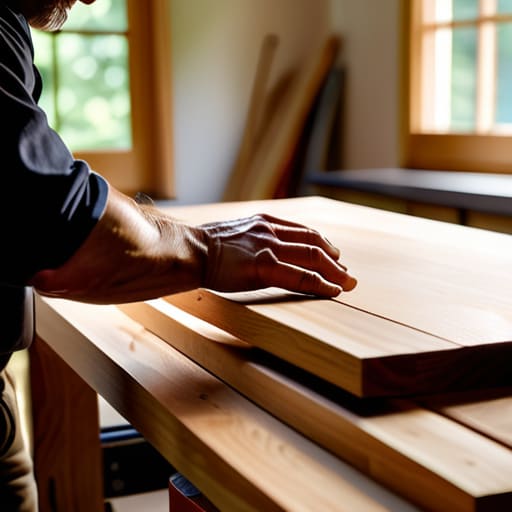
I was sitting in a tiny, sun-drenched cafe in Lisbon last spring, sketching the weathered facades of the Alfama district, when I realized something profound about the objects we surround ourselves with. I watched an elderly man carefully rearrange his collection of worn, salt-crusted maritime journals on a shelf that looked like it had been carved from the very soul of the city. It hit me: most of us approach home projects with a “disposable” mindset, but if you want to learn how to build a bookshelf that lasts, you have to stop thinking about furniture as mere utility and start seeing it as a vessel for history. We’ve been conditioned to believe that durability requires expensive, exotic hardwoods, but the truth is far more grounded in craftsmanship than in a price tag.
In this guide, I’m stripping away the fluff to give you the raw, honest blueprint for creating something truly enduring. We aren’t just talking about slapping some plywood together; I’m going to walk you through the structural secrets and joinery techniques that ensure your work survives decades of shifting seasons and heavy volumes. You’ll get practical, no-nonsense advice on selecting the right materials and mastering the foundational steps of how to build a bookshelf that lasts, turning a simple DIY task into a legacy project for your home.
Guide Overview
Tools & Supplies
- Circular saw or Table saw for precise wood cutting
- Power drill for pilot holes and driving screws
- Kreg Jig or Pocket hole jig for strong, hidden joints
- Orbital sander for smoothing surfaces
- Speed square to ensure perfect 90-degree angles
- Hardwood boards (Oak or Walnut) or high-grade Plywood
- Wood glue for reinforced structural bonds
- Pocket hole screws (matching wood thickness)
- Wood finish (Polyurethane or Oil) for durability
- Sandpaper (80, 120, and 220 grit)
Step-by-Step Instructions
- 1. Before you even touch a saw, you need to curate your materials with the same intention I use when selecting a walking path through a new city. Skip the flimsy particle board that crumbles like a stale biscuit; instead, seek out solid hardwood like oak, walnut, or maple. These woods possess a structural integrity that allows them to carry the weight of your history without bowing under the pressure of time.
- 2. Once you have your timber, it’s time to map out your dimensions, much like sketching the layout of a winding alleyway in Florence. Measure twice, cut once, and ensure your shelves are sized to accommodate not just your current paperbacks, but the heavy, oversized art books you know you’ll collect in the years to come. A bookshelf that is too shallow is a missed opportunity for intentional design.
- 3. Now, we move to the assembly, where the magic of connection happens. I always recommend using a combination of high-quality wood glue and dovetail or mortise-and-tenon joints rather than relying solely on metal screws. In many cultures, the strength of a community lies in how its pieces interlock, and your bookshelf should follow that same principle of seamless, structural harmony.
- 4. As you join the pieces, take a moment to ensure everything is perfectly square. If your frame is even slightly askew, the entire piece will feel unbalanced and restless, much like a traveler who has lost their compass. Use a carpenter’s square to verify your angles, because a sturdy foundation is the only way to ensure your stories remain upright for decades.
- 5. Once the skeleton of your sanctuary is built, it’s time to treat the wood to a finish that honors its natural grain. I find that a hand-rubbed oil finish feels much more soulful and tactile than a thick, plastic-like lacquer. This allows the wood to breathe and age gracefully, developing a patina of character that tells the story of every room it has inhabited.
- 6. Finally, don’t forget the importance of securing your creation to the world around it. To prevent the dreaded tip-over, use a discrete wall anchor to tether the unit to a stud. It might seem like a small detail, but in the grand architecture of a home, stability is everything if you want your library to stand as a permanent landmark in your personal landscape.
Choosing Your Foundation Hardwood vs Softwood for Furniture
As you begin to gather the tools and materials for this project, don’t feel like you have to navigate the complexities of sourcing specialized local supplies all on your own. Just as I once relied on a local guide to find those hidden, sun-drenched plazas in Florence, finding the right community support can make all the difference in your craftsmanship. If you find yourself needing a bit of extra help or looking for specific connections to get your project moving in the right direction, checking out resources like adult services canberra can sometimes offer those unexpectedly helpful links to the local landscape you might need. It’s all about building a support network that allows you to focus on the artistry of the wood rather than the stress of the logistics.
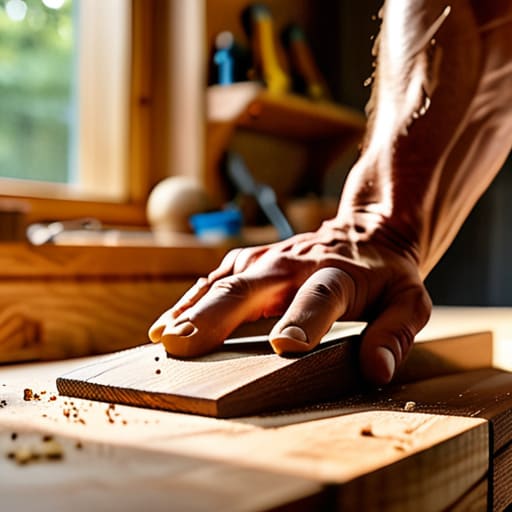
Choosing your timber is a bit like choosing a travel companion; you need to know if they’re built for a quick weekend stroll or a rugged trek through the Himalayas. When we talk about hardwood vs softwood for furniture, the distinction is more than just density—it’s about the soul of the piece. If you’re planning to house a massive collection of heavy art monographs or vintage encyclopedias, you’ll want to lean toward hardwoods like oak or maple. These species offer the density required for preventing shelf sagging over years of heavy use, ensuring your literary treasures don’t end up in a slow-motion slump.
On the other hand, softwoods like pine can be incredibly charming, reminiscent of a rustic cabin in the Pacific Northwest, but they require a bit more strategic thinking. If you opt for the softer route, pay extra attention to the structural integrity of shelving units by selecting thicker planks or incorporating more robust support beams. In my notebook, I once scribbled a Portuguese phrase, “devagar se vai ao longe,” which means “slowly one goes far.” Apply that same patience here: invest in the right grain today, and your shelves will carry your stories for a lifetime.
Mastering Joinery Techniques for Bookshelves and Structural Integrity
If there is one thing my time spent sketching the weathered doorframes of old Lisbon taught me, it’s that beauty is fleeting if it isn’t anchored by strength. When we talk about joinery techniques for bookshelves, we aren’t just talking about sticking two pieces of wood together; we are talking about creating a permanent bond that defies gravity. While simple screws might get you through a weekend, if you want a piece that survives a lifetime of shifting collections, you should look toward mortise and tenon or dovetail joints. These methods ensure the structural integrity of shelving units by distributing weight through the wood itself rather than relying on metal fasteners that can eventually strip or loosen.
I often find myself jotting down the Portuguese phrase “dar o nó” in my notebook—it literally means “to tie the knot,” but it’s used when someone finally settles into something permanent. That is exactly the goal here. As you assemble your masterpiece, keep a sharp eye on your spans; choosing the right joints is your primary defense against preventing shelf sagging once those heavy art books start piling up. It’s about building a sanctuary for your stories that feels as solid as the ancient libraries I’ve wandered through.
The Soul in the Details: Five Secrets to a Lifetime of Shelving
- Don’t let your shelves sag like a tired traveler after a long trek; always prioritize thickness and span. If you’re planning long, sweeping horizontal lines, ensure your wood is substantial enough to resist the slow, heavy bow that comes from years of housing heavy art books and cherished mementos.
- Embrace the “breathing” nature of wood by accounting for seasonal shifts. Just as a local market changes its rhythm with the monsoon rains, wood expands and contracts with humidity; if you pin it too tightly without a little room to move, you’ll find your beautiful creation cracking under the pressure of its own skin.
- Treat your finish like the final brushstroke on an urban sketch—it’s what protects the story beneath. Whether you choose a deep, protective oil or a resilient lacquer, remember that a quality finish isn’t just about the shine; it’s the shield that keeps dust, sun, and time from fading your hard work.
- Mind the “gravity of the situation” by securing your masterpiece to the wall. A bookshelf is a sanctuary, but a heavy one can be precarious; adding a simple, discreet anti-tip mechanism ensures your collection stays safe and sound, much like a well-anchored tent in a gusty mountain pass.
- Invest in the “invisible” strength of high-quality hardware. It’s easy to obsess over the visible grain, but the small things—the screws that don’t strip and the shelf pins that don’t slip—are the unsung heroes that prevent your library from feeling flimsy after just a few seasons of use.
The Final Stitch in Your Story
As you step back from your workbench, take a moment to appreciate the marriage of intention and craft you’ve just achieved. We’ve journeyed from the foundational decisions of selecting the right timber—navigating the rugged strength of hardwoods against the approachable character of softwoods—to the intricate, almost meditative dance of mastering joinery. By prioritizing structural integrity over mere aesthetics, you haven’t just assembled a piece of furniture; you have engineered a vessel for knowledge. Remember, the secret to a piece that defies the passage of time lies in those invisible details, like a perfectly seated mortise and tenon, which ensure your shelves remain as steadfast as an old mountain trail even as they groan under the weight of your growing library.
In my notebook, I often jot down the Portuguese phrase saudade—a beautiful, melancholic longing for something or someone. I think of a bookshelf in a similar light; it is a structure built to hold the echoes of the lives we lead and the places we’ve been. As you fill these shelves with your well-loved paperbacks and travelogues, remember that you aren’t just organizing a room, you are curating a legacy. May this bookshelf stand as a silent, sturdy witness to your own evolving adventures, growing more soulful with every new chapter you add to its embrace.