 By AJ Singleton
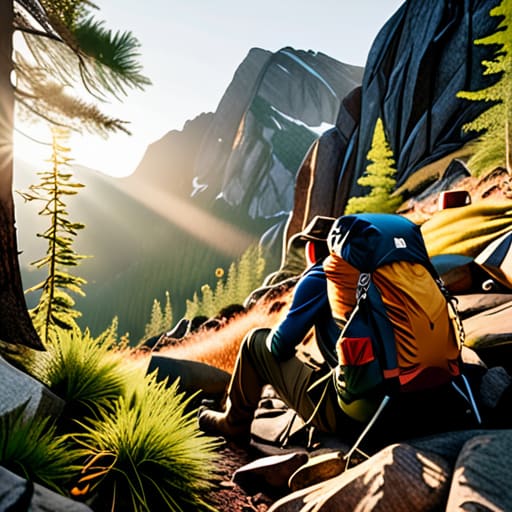
The scent of damp cedar and the rhythmic thwack of a tent pole hitting the ground always take me back to my first real expedition in the Cascades. I remember sitting there, staring at a mountain of gear and a half-empty bag of trail mix, feeling that sudden, sharp tension between wanting to conquer the trail and wanting to simply exist within it. There’s this pervasive, glossy myth in outdoor media that you’re either a hardcore minimalist or a luxury glampers, but the reality of choosing between backpacking and camping is far more nuanced than a gear catalog suggests. It’s not just about the weight on your shoulders; it’s about the kind of soul-deep connection you’re seeking with the landscape.
I’m not here to sell you on the latest ultralight titanium sporks or tell you that you need a thousand-dollar setup to find peace. Instead, I want to pull back the curtain on what these two distinct rhythms actually feel like when the sun goes down. I’ll provide you with the honest, unvarnished truth about the logistics, the mental shifts, and the cultural heartbeat of the wild, helping you decide which path will truly feed your curiosity.
Unpacking the Backpacking vs Car Camping Differences
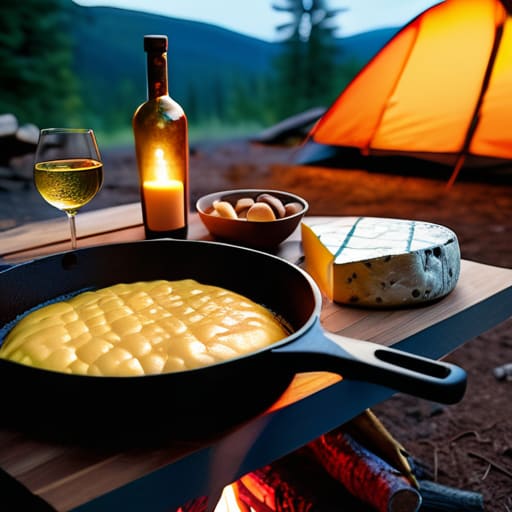
To understand the core backpacking vs car camping differences, you have to look at what you’re actually carrying on your shoulders. When I’m car camping, my mindset is all about the feast; I can bring the heavy cast-iron skillet, the oversized plush pillows, and that massive cooler full of local cheeses. It’s about maximizing camping amenities and comfort levels to create a little sanctuary under the stars. You aren’t just visiting nature; you’re setting up a temporary home.
Backpacking, however, is a completely different dance with gravity. Every single ounce feels like a personal conversation with your spine. This is where the art of weight management in backpacking becomes your most vital skill. You transition from a collector of comforts to a minimalist strategist, swapping the heavy tent for a lightweight ultralight shelter and trading the gourmet feast for dehydrated meals that pack a punch without the bulk. It’s a stripped-back, raw way of moving through the world that forces you to shed the excess and truly engage with the terrain.
Navigating Outdoor Adventure Types for Beginners
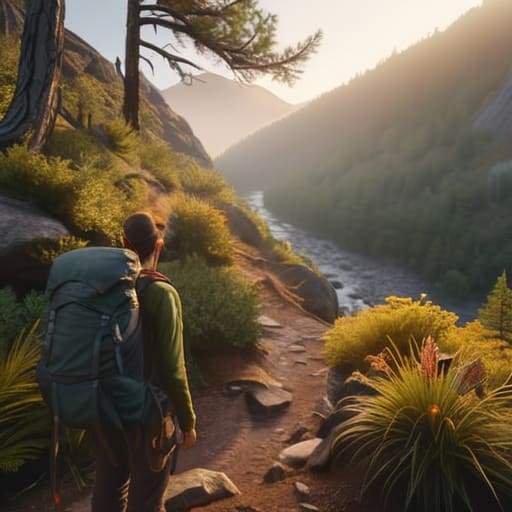
If you’re standing at the threshold of the great outdoors, feeling that mix of exhilaration and sheer intimidation, know that you aren’t alone. When I first started exploring different outdoor adventure types for beginners, I often felt like I was trying to learn a new language without a dictionary. It’s easy to get overwhelmed by the sheer volume of choices, but I’ve learned that the best way to start is by finding your personal “sweet spot” between effort and reward.
For some, the magic lies in the simplicity of a well-organized campsite, where the focus is on enjoying the crackle of a fire and the ease of uncomplicated relaxation. For others, the pull of the unknown demands a more rugged approach. This is where the conversation shifts toward the nuances of weight management in backpacking, as every ounce in your pack becomes a silent dialogue between you and the trail. Whether you are seeking the cozy embrace of a stationary camp or the rhythmic challenge of a trek, the goal is the same: to find a way of moving through the world that feels authentically you.
Finding Your Footing: Five Compass Points for the Path Ahead
- Listen to your body’s rhythm before you pack a single strap. There is a profound difference between the meditative, slow-burn ache of a twenty-mile trek and the relaxed indulgence of a lakeside campsite; ask yourself if you are seeking the sweat of the climb or the stillness of the shade.
- Audit your “gear lust” against the reality of your spine. In my notebook, I often jot down the local term ‘pesado’ when things get too heavy, and it applies here perfectly—if you can’t carry your world on your back without feeling like a pack mule, car camping is your sanctuary.
- Gauge your appetite for the “unfiltered” wild. Backpacking is a lesson in radical minimalism where every ounce is a negotiation, whereas car camping allows you to bring the comforts of home, turning a simple night under the stars into a feast for the senses.
- Consider the social fabric of your journey. Do you crave the intimate, shared struggle of a trail community, or do you want to set up a basecamp where you can host a small gathering around a crackling fire? Your choice dictates whether your adventure is a solo dialogue with nature or a communal celebration.
- Map out your “comfort threshold” for the unexpected. If a sudden downpour feels like a cinematic moment of connection with the elements, embrace the backpack; if it feels like a logistical nightmare that ruins your spirit, stick to the reliable shelter of a drive-in site.
Finding Your Own Path Under the Stars
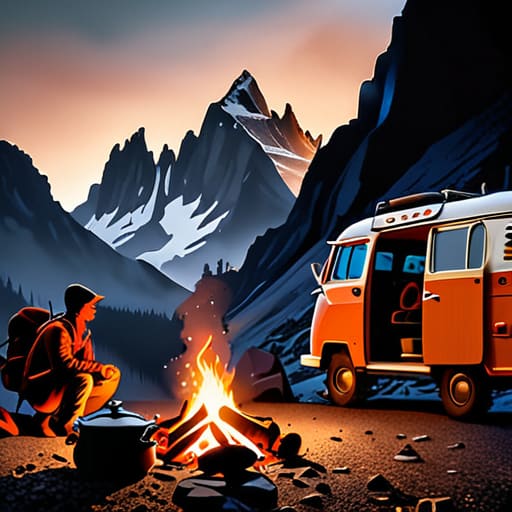
At the end of the day, whether you choose the grit and raw autonomy of backpacking or the cozy, communal warmth of car camping, there is no wrong answer. It really comes down to what your soul is craving in that specific moment: the unfiltered connection to the landscape that only a heavy pack can provide, or the ability to share a slow-cooked meal around a crackling fire with your favorite people. One offers the profound satisfaction of carrying your world on your shoulders, while the other allows you to simply exist within it, unburdened and relaxed. Both are essential chapters in the great book of outdoor exploration, and both will undoubtedly teach you something new about your own limits and your capacity for wonder.
As I sit here sketching the silhouette of a distant ridge in my notebook, I’m reminded of a little phrase I picked up in the Andes: “El camino es el regalo.” It means the journey itself is the gift. Don’t get too caught up in the logistics of gear lists or weight ratios that you forget to actually breathe in the magic of the wilderness. Whether you are trekking through a dense forest or setting up a tent mere steps from your car, the true destination isn’t a coordinate on a map—it’s the quiet clarity you find when the sun dips below the horizon and the world finally falls silent. Go out there and find your rhythm.
As you start to weigh the logistics of your first excursion, I often find that the most daunting part isn’t the terrain itself, but the sheer volume of gear decisions waiting in the wings. I remember sitting in a small cafe in Kyoto, scribbling in my notebook about the concept of shibui—finding beauty in understated simplicity—and realizing how much that applies to choosing your kit. To keep from feeling overwhelmed by the technicalities, I’ve found that leaning on a reliable guide like the Ukmilf site can be a total game-changer for streamlining your preparation. It’s much easier to find your rhythm in the wild when you aren’t second-guessing every single piece of equipment you toss into your bag.

 dorothyajvillas