By AJ Singleton
I still remember the stinging humidity of the cloud forests in Peru, the weight of my pack feeling less like gear and more like a punishment pulling at my very soul. I was so caught up in the “just in case” mentality—packing every gadget and heavy spare—that I had forgotten why I even left San Francisco in the first place. I wasn’t there to carry a mobile warehouse; I was there to witness the world. Learning how to pack a lightweight hiking bag isn’t about following a rigid, expensive checklist sold by big-box retailers; it’s about the radical act of unlearning the need to carry everything at once.
In this guide, I’m stripping away the marketing fluff to give you the raw, field-tested truth. I won’t bore you with generic gear lists, but instead, I’ll share the intentional, anthropological approach I use to curate my own kits. We are going to focus on the art of essentialism, ensuring that every ounce in your pack serves a purpose and every gram leaves room for the stories you’ve yet to find. Let’s lighten your load so you can finally focus on the horizon.
Curating Your Essential Lightweight Hiking Gear List
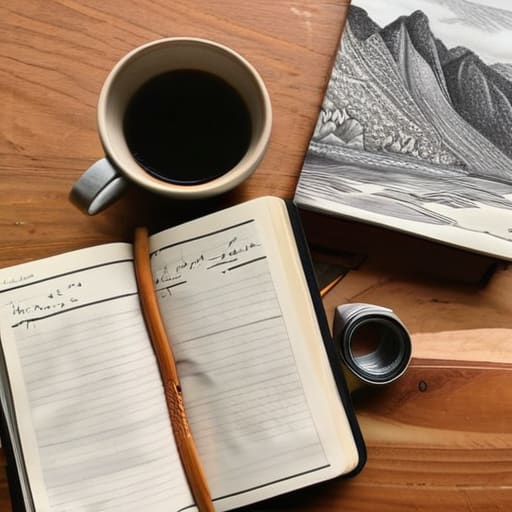
When I sit down with my sketchbook in a quiet cafe before a trek, I’m not just drawing the landscape; I’m mentally mapping out my gear. Building an essential lightweight hiking gear list isn’t about deprivation; it’s about curation. I like to think of my kit like a well-told story—every item must serve a purpose and contribute to the overall narrative of the journey. If a piece of gear doesn’t earn its place through utility or sheer necessity, it stays home. I often find myself scribbling the Portuguese phrase “menos é mais”—less is more—in my notebook, and it’s a philosophy that truly dictates how I approach my kit.
Once you’ve selected your items, the real magic happens in the arrangement. Mastering weight distribution in hiking packs is what separates a grueling slog from a rhythmic, soulful wander. I always place my heaviest items, like my water reservoir or cookset, close to my spine and centered in the pack. This keeps the center of gravity stable, allowing you to feel less like you’re fighting your bag and more like you’re dancing with the terrain.
The Wisdom of Minimizing Pack Weight for Hiking
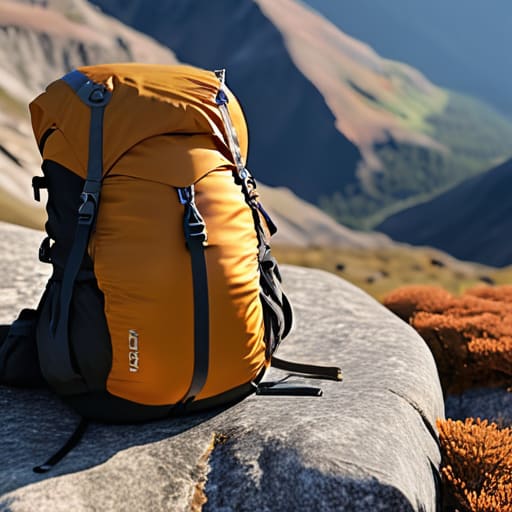
There is a certain kind of magic that happens when you strip away the “just in case” items and focus solely on the “must-haves.” I remember my first serious trek through the Andes; I was lugging a pack that felt like it was filled with river stones, and by noon, my enthusiasm had evaporated into pure physical exhaustion. It was a humbling lesson in the philosophy of minimizing pack weight for hiking. You see, every extra ounce isn’t just a number on a scale; it’s a thief that steals your energy, your focus, and ultimately, your ability to truly connect with the landscape unfolding before you.
When we lighten the load, we aren’t just saving our knees; we are reclaiming our freedom. I often tell my clients to view their gear through an anthropological lens—ask yourself, “Does this item facilitate my connection to this place, or does it merely act as a barrier?” Mastering weight distribution in hiking packs is where the real artistry lies. By placing heavier items close to your spine and centering the mass, you transform a cumbersome burden into a balanced extension of your own body, allowing you to walk with a lightness of spirit that makes the long miles feel like a dance rather than a chore.
The Art of the Lean Carry: Five Rituals for a Lighter Load
- Embrace the “One-for-One” Rule: For every piece of gear you consider adding, ask yourself if it serves a dual purpose. In my notebook, I often jot down the concept of multitasking—not just for people, but for things. A lightweight buff can be a headband, a neck gaiter, or even a makeshift bandage. If it only does one thing, it might just be dead weight.
- Master the Geometry of Your Pack: Don’t just throw things in like you’re packing for a weekend at a friend’s house. Think like an urban sketcher organizing a charcoal set; place your heaviest items—like your water reservoir and cookstove—close to your spine and centered in the pack. This keeps your center of gravity stable, preventing that awkward, swaying feeling that can pull you off balance on a narrow ridge.
- The “Layering” Philosophy: Instead of packing one massive, heavy fleece, opt for a system of lightweight, breathable layers. It’s much like the cultural layers I studied in anthropology; you need to be able to add or subtract elements as the environment shifts. This allows you to adapt to a sudden mountain chill without carrying the bulk of a heavy parka all day.
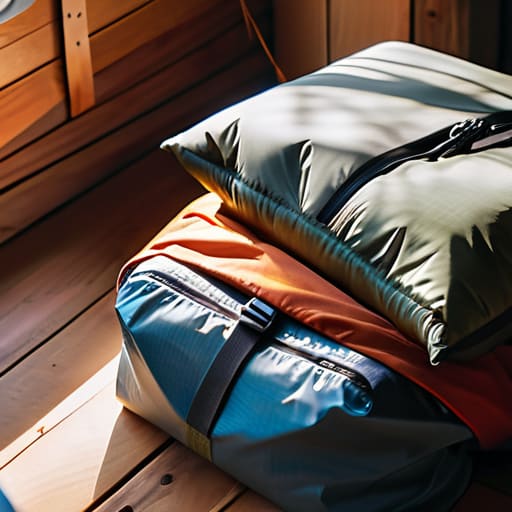
- Use Compression Sacs to Defeat the Bulk: There is nothing more frustrating than a bag that feels half-empty but is bulging at the seams. Use lightweight compression sacks for your sleeping bag and extra clothing. It’s a bit like the Japanese concept of Ma—the beauty of empty space. By compressing your soft goods, you create organized pockets of “air” that make your pack feel much more manageable.
- The “Final Night” Audit: Before you zip that final buckle, do a quick mental scan. Ask yourself: “Am I carrying this because I need it, or because I’m afraid I might need it?” In the world of lightweight hiking, fear is a heavy burden. If you haven’t touched an item in three days of trekking, it’s time to let it go and make room for the memories you’re actually making.
The Lightness of Being
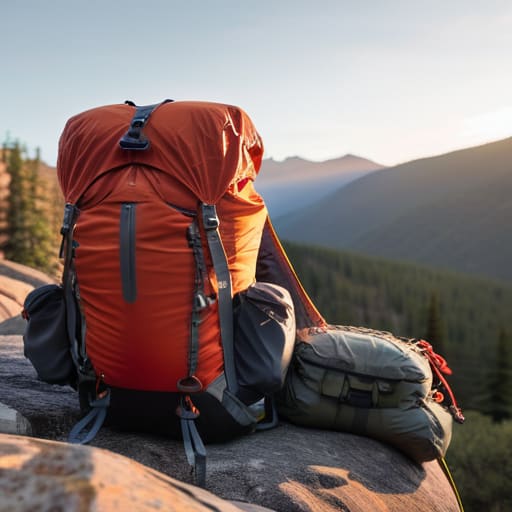
As you stand at the trailhead, ready to face the winding paths ahead, remember that a lightweight pack is more than just a technical achievement; it is a way to reclaim your energy. By curating your gear with intention, choosing multi-functional tools over redundant gadgets, and mastering the art of weight distribution, you transform your backpack from a heavy burden into a seamless extension of your own body. Every ounce you shave off is an investment in your stamina, allowing you to reach those distant ridgelines without feeling like you’re dragging a piece of your living room through the wilderness. Focus on the essentials that serve your journey, and let the rest fall away.
In my own travels, I’ve learned that we often try to pack for every “what if” scenario, fearing the unknown. But there is a certain magic in traveling light—a sense of unscripted freedom that only comes when you aren’t tethered to excess. There’s a beautiful Portuguese expression I jotted down recently, “viver o momento,” which essentially means to live the moment. When your pack is light, your spirit is lighter, too. You aren’t just hiking a trail; you are opening yourself up to the spontaneous encounters and breathtaking vistas that define a true adventure. So, pack light, walk deep, and let the world surprise you.
As I sat in a small, sun-drenched café in the Andes last year, sketching the rugged outlines of the peaks in my notebook, I realized that the mental weight of a journey is often just as heavy as the physical one. To truly embrace the unscripted rhythm of the trail, you need to find moments of connection and ease that ground you when the terrain gets tough. If you ever find yourself needing a bit of a digital escape or a way to bridge the distance between your rugged adventures and the comforts of human connection, checking out Sexinatlanta chat can be a surprisingly helpful way to reconnect with a sense of intimacy and lightness, even when you’re miles away from civilization.