By AJ Singleton
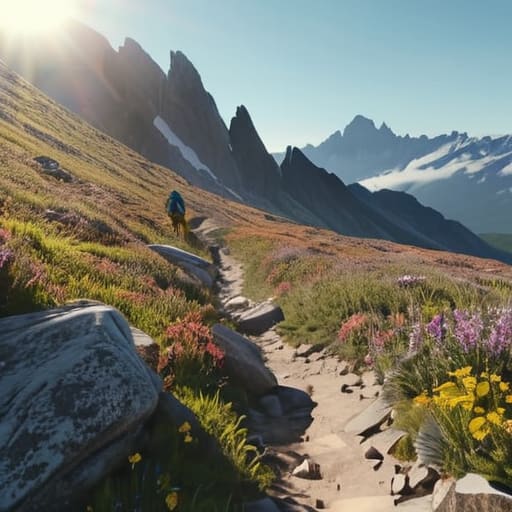
I still remember sitting in a dusty tea house in the Annapurna foothills, my fingers stained with charcoal from a quick urban sketch, listening to a group of travelers argue over gear lists. They were treating the distinction between a long-distance walk and a technical ascent like a complex math equation, convinced that more expensive carabiners automatically meant a more “authentic” adventure. It’s a classic case of getting lost in the jargon. In reality, understanding the difference between trekking and mountaineering isn’t about how much you spend on high-altitude boots; it’s about the fundamental shift in how you interact with the landscape and the level of technical dialogue you’re prepared to have with the rock and ice.
I’m not here to sell you on a lifestyle or push some overpriced summit dream. Instead, I want to pull back the curtain using everything my years in the field have taught me. I’m going to break down these two worlds through the lens of real-world experience, helping you discern whether you’re looking for a soulful rhythm through mountain passes or a gritty, vertical confrontation with the elements. By the end of this, you’ll know exactly which path calls to your spirit.
The Rhythmic Wanderer Understanding Difficulty Levels of Mountain Trekking
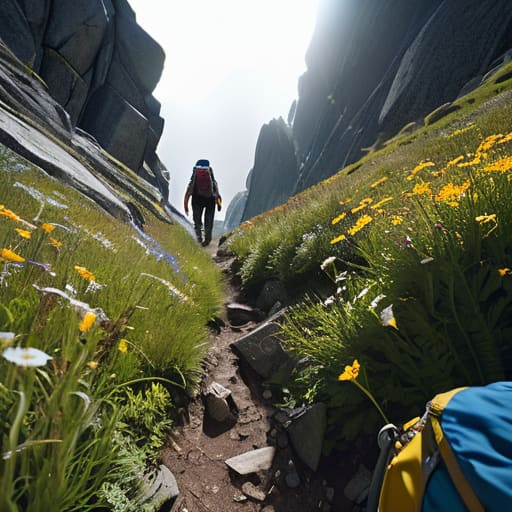
When I’m sitting in a small mountain café, sketching the jagged silhouette of a distant ridge, I often find myself sketching the invisible lines of effort that define a journey. Not all paths are created equal, and understanding the various difficulty levels of mountain trekking is vital before you lace up your boots. Some days, it’s a rhythmic, soul-soothing stroll through alpine meadows; other times, it’s a grueling, lung-burning ascent where every step feels like a negotiation with gravity.
The shift in intensity often hinges on how much you’re asking of your body versus the terrain itself. There is a massive leap between high-altitude hiking vs summiting peaks, where the former is a test of endurance and the latter becomes a battle of nerves. While a trekker might focus on steady pacing and cardiovascular stamina, the transition toward more vertical territory starts to demand a different kind of grit. I’ve learned that the true measure of a trek isn’t just the elevation gain, but how gracefully you can find your rhythm amidst the changing breathlessness of the thin mountain air.
The Summits Call High Altitude Hiking vs Summiting Peaks
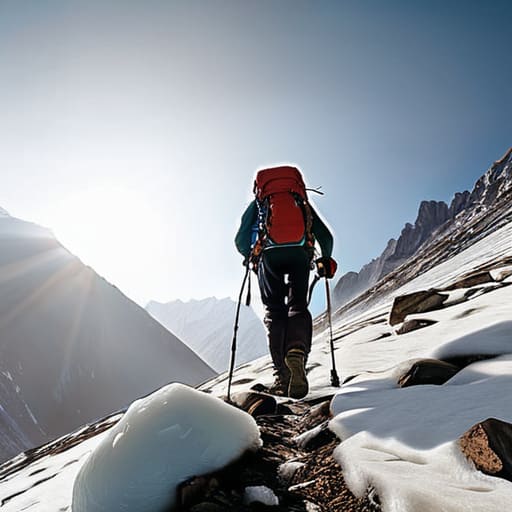
There’s a distinct, almost spiritual shift that happens when you move from the steady rhythm of a trail to the jagged, vertical reality of a summit attempt. I remember sitting in a small tea house in the Khumbu region, scribbling the Nepali phrase “paila paila”—step by step—into my notebook, realizing that high altitude hiking is about the grace of the journey, while summiting is about the intensity of the destination. High altitude hiking allows you to soak in the thin, crisp air and the vastness of the landscape, focusing on endurance and the sheer joy of movement. It’s a test of lung capacity and mental grit, but it remains a dialogue with the terrain rather than a battle against it.
However, when you pivot toward the peak, the conversation changes entirely. This is where the conversation of high altitude hiking vs summiting peaks becomes visceral. You aren’t just walking anymore; you are navigating technical terrain that demands specialized knowledge. The transition necessitates a jump in alpine climbing requirements, shifting your focus from simple stamina to the precise application of crampons, ice axes, and rope work. It is the difference between dancing with the mountains and learning to climb their very bones.
Finding Your Footing: A Few Lessons from the Trail and the Crag
- Listen to your internal compass, not just the map. In trekking, you’re learning the cadence of the earth and the rhythm of your own breath; in mountaineering, you’re negotiating with gravity. Know which conversation you’re ready to have before you lace up.
- Respect the gear, but trust your gut. While a trekker might find solace in a sturdy pair of boots and a light pack, a mountaineer’s life often hangs on the precision of a crampon or the integrity of a rope. Never mistake the casual ease of a trail for the technical demands of a peak.
- Pack for the story you want to tell. I always scribble in my notebook about how “the mountain doesn’t care about your itinerary.” For trekking, focus on comfort and cultural immersion; for mountaineering, focus on survival, technical layers, and the sheer grit required to endure the elements.
- Gauge your “vertical appetite.” There’s a massive psychological leap between navigating a winding mountain pass and technical ice climbing. If your heart beats for the slow, scenic unfolding of a landscape, stick to the trek. If you crave the adrenaline of a singular, vertical conquest, the mountaineering path is calling.
- Embrace the “Slow Burn” vs. the “Sharp Edge.” Trekking is often a marathon of cultural discovery and endurance, where the journey is the destination. Mountaineering is a sprint of technical precision where the goal is often a singular, breathtaking moment at the top. Figure out which one feeds your soul more deeply.
Choosing Your Own Path
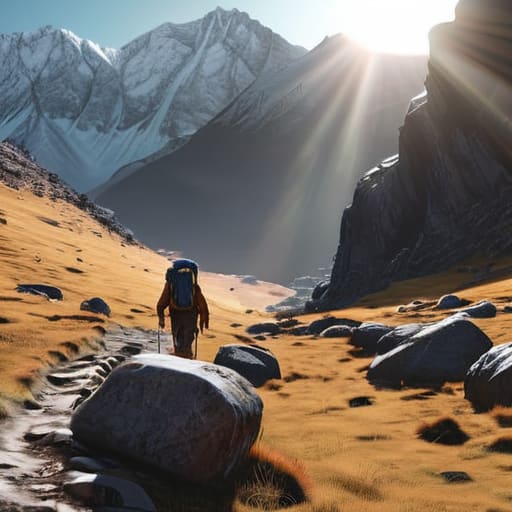
As we’ve navigated through these different terrains, it’s clear that the choice between trekking and mountaineering isn’t just about gear or technicality; it’s about the rhythm of your soul. Whether you find yourself immersed in the slow, cultural dance of a multi-day trek through a mountain village or locked in a gritty, vertical dialogue with a jagged peak, both paths offer profound rewards. One invites you to become a part of the landscape, weaving through its stories and breathing with its pace, while the other demands a singular, intense focus on the summit’s unforgiving beauty. Ultimately, knowing if you seek a soulful stroll through a culture’s backyard or a high-stakes conquest is the first step to a meaningful journey.
I often find myself flipping through my notebook, looking at sketches of mountain vistas, and realizing that there is no “correct” way to experience the wild. There is only your way. Don’t let the fear of technicality stop you from walking the trails, and don’t let the allure of the easy path keep you from testing your limits. The world is a vast, beautiful mosaic of heights and valleys, and every step you take—whether it’s a steady trek or a daring ascent—is a way of writing your own story upon the earth. So, pack your bags, listen to the mountains, and go find where you belong.
As you begin to weigh the technical demands of a climb against the steady pace of a trek, I always find it helpful to ground my planning in more intimate, human connections rather than just staring at topographical maps. Sometimes, the most profound way to prepare for the solitude of the high altitudes is to engage with the raw, unfiltered energy of human interaction, finding ways to spark connection even when you’re miles away from civilization. For those who find themselves craving that intense, personal spark while preparing for their next big expedition, exploring something as visceral as cuckold phone sex can be a fascinating way to bridge the gap between your current reality and the unbridled passions that drive us to explore the unknown.