By AJ Singleton
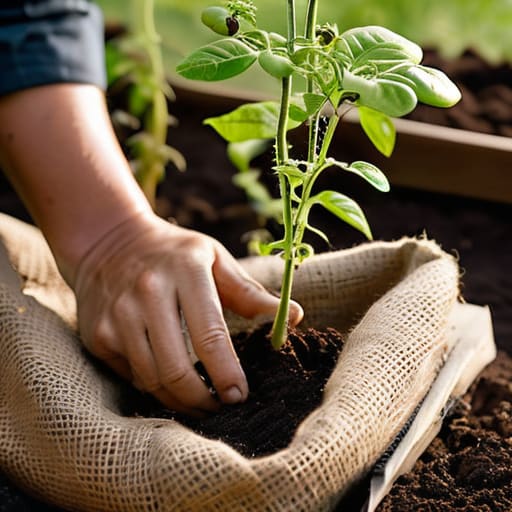
I was sitting on a sun-baked stone bench in a small village outside of Oaxaca, watching an elderly woman tend to her patch of chilies with a reverence usually reserved for sacred rituals. She didn’t have a complex irrigation system or a catalog of designer tools; she just had a deep, rhythmic connection to the soil. It hit me then that most people approach the idea of how to start a vegetable garden as if they’re trying to solve a math equation or follow a rigid blueprint. We get so caught up in the “correct” way to amend soil or the perfect pH balance that we forget we are actually participating in a living conversation with the earth.
I’m not here to sell you on a lifestyle of effortless perfection or expensive gadgets that promise a miracle harvest overnight. Instead, I want to share the gritty, beautiful reality of getting your hands dirty. This guide is about stripping away the overwhelm and focusing on the fundamental, soulful steps of how to start a vegetable garden that actually works for your specific space. We’ll cover everything from reading your land’s unique rhythm to choosing crops that won’t just survive, but truly thrive under your care.
Guide Overview
Tools & Supplies
- Hand trowel for digging small holes
- Garden fork for breaking up soil
- Watering can for controlled hydration
- Vegetable seeds or seedlings (10-20 varieties)
- Potting mix or garden soil (3-5 bags)
- Organic fertilizer (1 bag)
Step-by-Step Instructions
- 1. First, you need to scout for a patch of earth that feels right—a place where the sun performs its daily ritual. In my travels through the hills of Tuscany, I learned that plants are essentially sun-worshippers, so aim for a spot that receives at least six to eight hours of direct light. While you’re out there, pay attention to the wind and the flow of the land; you want a location that feels protected yet open, much like a well-placed courtyard in a bustling Mediterranean village.
- 2. Once you’ve found your stage, it’s time to prepare the soil, which is the very soul of your garden. Think of it as the foundation of a great cultural exchange—if the base isn’t rich and welcoming, nothing meaningful can grow. I always recommend mixing in plenty of organic compost to create a nutrient-dense tapestry that invites life to thrive. If the ground feels stubborn or heavy, don’t fight it; just nurture it with organic matter until it becomes soft and crumbly under your fingers.
- 3. Now comes the delightful, albeit slightly daunting, task of choosing your protagonists: the seeds and seedlings. Instead of grabbing everything in sight, I suggest starting with a few “reliable travelers”—vegetables that are hardy and forgiving, like cherry tomatoes, radishes, or basil. I often jot down the local names for these plants in my notebook, because there is something so deeply grounding about learning the specific vernacular of the earth you are tending. Choose plants that resonate with your palate and the season you’re currently inhabiting.
- 4. With your seeds ready, it’s time to get your hands dirty and begin the actual planting. This isn’t just a chore; it’s a delicate ritual of placement. When you tuck a seed into its dark, warm bed, do so with the intention of witnessing its transformation. Be mindful of the spacing instructions on your seed packets—giving each plant its own personal breathing room is essential to prevent the spread of disease and ensure every leaf can stretch toward the light without competition.
- 5. Water is the lifeblood of this entire endeavor, but much like a good conversation, it requires a delicate balance of presence and restraint. You don’t want to drown your plants in an overwhelming flood, nor do you want to leave them parched and longing. Aim for a deep, consistent soak at the base of the plants, ideally in the early morning when the air is still crisp. I’ve found that watching the water disappear into the soil is a meditative way to connect with the rhythm of the natural world.
- 6. As your garden begins to find its voice, you must become its watchful guardian through regular weeding and mulching. Weeds are like uninvited tourists who arrive without permission and try to take over the local festivities; you have to gently but firmly remove them before they settle in. Adding a layer of straw or shredded leaves around your plants acts as a protective blanket, helping to retain moisture and suppress those intruders, keeping your garden’s story focused on the crops you love.
Sowing Seeds of Wisdom Selecting the Best Vegetables for Beginners
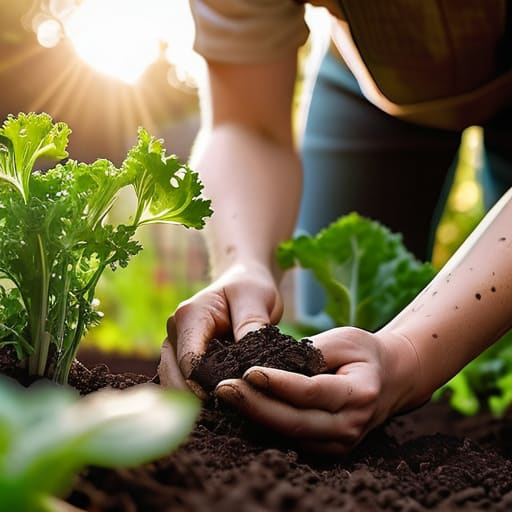
As I sat on my porch last season, watching the first tiny sprouts of kale fight their way through the soil, I realized that gardening is rarely a solo expedition; it’s a shared human experience. Much like the way I used to lean on local elders in different corners of the globe to understand the rhythm of a new city, I found that connecting with a community of experienced growers can turn a frustrating wilted leaf into a moment of profound learning. If you ever find yourself feeling a bit lost in the weeds or simply craving a space to swap stories and seasonal advice, I highly recommend reaching out to the Netherlands chat community, where the wisdom of seasoned hands is always available to help you cultivate your confidence.
When I first sat down with my sketchbook in a small community plot in Oaxaca, I realized that gardening isn’t just about biology; it’s about choosing the right companions for your journey. For those just starting out, I always suggest leaning into the “easy wins.” Selecting the best vegetables for beginners—think cherry tomatoes, radishes, or leafy greens—is like picking a reliable local guide; they are resilient, forgiving, and offer immediate rewards that fuel your passion.
As you map out your patch, keep a close eye on your vegetable garden sunlight requirements. Just as certain cultures thrive in the shade of a mountain village while others bask in the coastal sun, your plants have specific needs to truly flourish. I often find myself scribbling notes in my little notebook about how a sun-drenched corner can transform a humble seedling into a masterpiece. Don’t feel pressured to master everything at once; instead, focus on a few hearty varieties that respect your current rhythm and space. It’s about building a relationship with the land, one small, successful harvest at a time.
Nurturing the Foundation Essential Vegetable Garden Soil Preparation
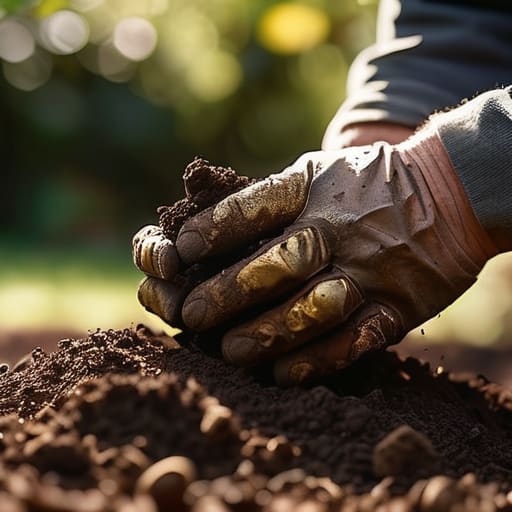
Before you ever press a seed into the earth, you have to listen to what the ground is telling you. In my travels through the terraced hills of Southeast Asia, I’ve seen how local farmers treat their soil not as mere dirt, but as a living, breathing entity. To get your own patch right, thorough vegetable garden soil preparation is your true foundation. I always recommend getting your hands dirty—literally—to feel the texture. Is it heavy and clay-like, or does it crumble like the sun-baked paths of a Mediterranean village? If it feels stubborn, mixing in plenty of aged compost is like giving your garden a warm, welcoming hug; it introduces the nutrients and microbial life necessary for those first sprouts to thrive.
You might find yourself debating raised bed gardening vs in-ground methods, and honestly, there is no wrong answer, only what feels right for your specific landscape. Raised beds offer incredible control over drainage and soil quality, which is a lifesaver if your backyard tends to hold onto water like a sponge. Regardless of your choice, remember that you are building a home for your future harvest. Treat your soil with respect, and it will reward you with a bounty that tastes like pure sunshine.
The Gardener’s Rhythm: Small Rituals for a Flourishing Patch
- Listen to the light. Before you commit to a layout, spend a few days watching how the sun dances across your yard; you want to place your greens where they can soak up those golden hours without being overshadowed by the neighborhood’s architecture.
- Embrace the “slow food” philosophy from the start by starting small. In my notebook, I often jot down the Italian phrase piano piano—slowly, slowly—and it’s the perfect mantra for gardening; it’s far better to nurture one thriving raised bed than to feel overwhelmed by a sprawling, neglected field.
- Water like you’re tending to a friend. Consistency is the heartbeat of a garden, so try to establish a rhythm of watering at the base of the plants during the cool of the morning, ensuring the moisture reaches the roots rather than just wetting the leaves.
- Invite the local residents to the party. A garden isn’t a solo act; it’s a community. Plant a few marigolds or lavender alongside your veggies to welcome the pollinators—the bees and butterflies are the unsung architects of your harvest.
- Don’t fear the “beautiful mess.” In anthropology, we learn that perfection is rarely found in nature, and neither is it found in a garden; if a leaf gets nibbled or a stem leans a bit crooked, see it as part of the living, breathing story of your patch.
Harvesting the Heart of Your Garden
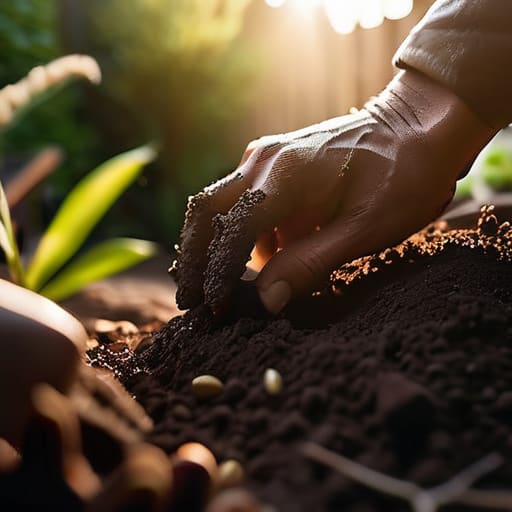
As you stand before your newly prepared plot, remember that you’ve done more than just move dirt; you’ve laid the groundwork for a living, breathing ecosystem. From selecting those resilient beginner-friendly seeds to meticulously prepping the soil that will serve as their lifeblood, you have navigated the essential rituals of cultivation. It isn’t just about the logistics of sunlight or hydration, but about the intentionality you bring to every seed planted. By mastering these foundational steps, you aren’t just growing food; you are building a sustainable rhythm between yourself and the natural world that sustains us all.
In my travels, I’ve often heard the Japanese expression “mono no aware,” a bittersweet awareness of the transience of things. There is a profound beauty in that sentiment when applied to a garden—the way a seedling pushes through the dark, only to eventually yield to the seasons. Don’t be discouraged if a leaf withers or a harvest is modest at first. Gardening is a masterclass in patience and a lesson in graceful resilience. So, take a deep breath, feel the grit of the earth beneath your fingernails, and embrace the beautiful, unpredictable journey of watching life unfold right before your eyes.