By AJ Singleton
I remember sitting in a cramped, sun-drenched studio in Marrakech, sketching the intricate patterns of a tiled courtyard, only to realize I couldn’t actually breathe. The air was heavy, thick with a cocktail of street dust and old cooking spices that seemed to cling to my lungs like a heavy velvet curtain. It hit me then that we spend so much time obsessing over the vistas of our travels, yet we completely neglect the very atmosphere of the sanctuaries we return to. Most people think you need a massive, high-tech filtration system to find relief, but finding genuine ways to improve indoor air quality isn’t about buying into expensive, shiny gadgets that promise the moon.
I’m not here to sell you on a lifestyle of overpriced air purifiers or complicated chemical solutions. Instead, I want to share the unfiltered truth—the kind of practical, grounded wisdom I’ve gathered from living in diverse corners of the globe. We’re going to explore how to curate your personal atmosphere using simple, intentional shifts that respect both your health and your home’s soul. Consider this my no-nonsense guide to reclaiming your breath and turning your living space into a true, revitalizing sanctuary.
Exposing the Quiet Shadows of Common Indoor Air Pollutants
As I sat sketching the intricate patterns of a hand-woven rug in a small boutique in Quebec, I was reminded that sometimes the most profound connections happen when we step away from the physical clutter and lean into the human element. Just as we strive to filter out the invisible toxins in our living spaces to make room for clarity, we must also curate the social atmospheres we inhabit. If you find yourself seeking a different kind of mental escape or simply want to explore new conversational currents, finding a space for adult chat Canada can be a wonderful way to engage with diverse perspectives from the comfort of your own purified sanctuary. It’s all about ensuring that the energy you invite into your life—whether through the air you breathe or the voices you hear—is truly enriching and authentic.
Exposing the Quiet Shadows of Common Indoor Air Pollutants
Whenever I sit down in a new café or a sun-drenched studio to work on my sketches, I find myself hyper-aware of the atmosphere. There’s a certain invisible weight to the air in some places, a heaviness that tells a story of what’s lingering unseen. It’s much the same within our own four walls. We often overlook the common indoor air pollutants that drift through our living spaces like ghosts—tiny particles of dust, pet dander, or the chemical whispers of new furniture. In my notebook, I once scribbled a Portuguese expression, “Quem não vê, não sente,” which roughly translates to “he who doesn’t see, doesn’t feel.” It’s a poignant reminder that just because we can’t see the haze, doesn’t mean it isn’t shaping our well-being.
These silent travelers often stem from the very things meant to comfort us. From the lingering scent of cleaning supplies to the microscopic debris shed by our fabrics, our sanctuaries can inadvertently become collectors of irritants. One of the most effective ways to reclaim your space is by removing VOCs from home, those volatile organic compounds that off-gas from paints and adhesives. It’s about more than just cleanliness; it’s about curating the very essence of the air you breathe, ensuring your home remains a true refuge rather than a hidden source of fatigue.
Removing Vocs From Home Purifying Your Personal Sanctuary
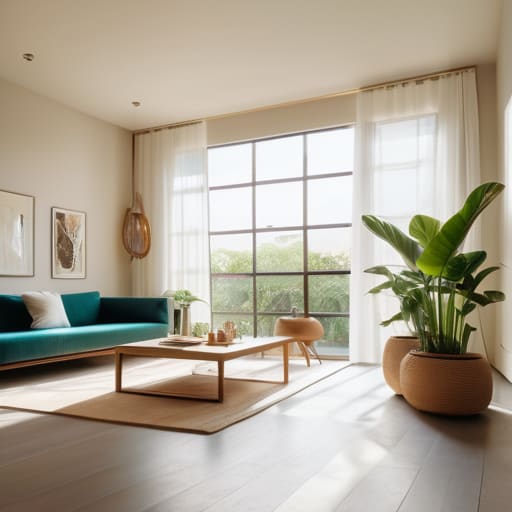
While wandering through the narrow, spice-scented alleys of Marrakech, I learned the phrase “nafas al-hayat,” which translates to the “breath of life.” It struck me how much our immediate environment dictates our vitality. When it comes to removing VOCs from home, we have to tackle those invisible chemical ghosts lingering in our furniture, paints, and cleaning supplies. One of the most effective ways to reclaim your space is through strategic ventilation techniques for homes; simply opening your windows to invite a cross-breeze can act like a sudden gust of mountain air, sweeping away the stagnant, chemical-laden heaviness that settles in our living rooms.
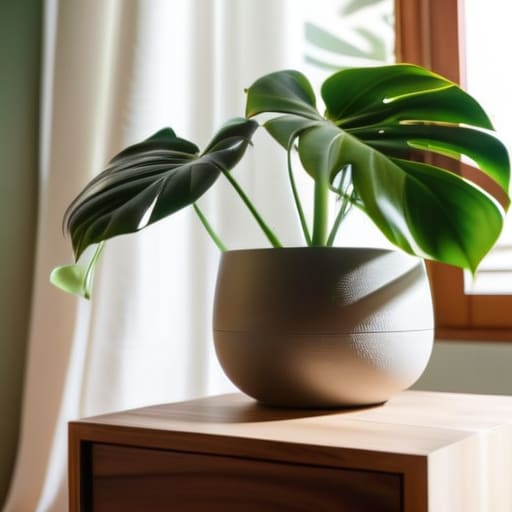
If you’re looking for a more permanent way to curate your atmosphere, I often recommend a two-pronged approach: technology and nature. Investing in a high-quality system to harness HEPA air purifier benefits can act as a silent guardian, trapping microscopic particles before they reach your lungs. To soften that clinical feel, I love layering in a collection of natural air purifying plants like Snake Plants or Peace Lilies. They don’t just add a splash of organic color to your urban sketch; they actively participate in the delicate dance of keeping your sanctuary pure.
Breathing with the Rhythm of Nature: Five Rituals for a Fresher Home
- Invite the Great Outdoors In: In my travels through the Mediterranean, I’ve learned that the most vibrant spaces are those that breathe. Whenever the weather allows, crack open those windows to create a cross-breeze. It’s the simplest way to flush out the stale, stagnant air and let the world’s natural energy circulate through your rooms.
- Curate a Living Greenery Gallery: Much like the lush, oxygen-rich jungles I’ve sketched in Southeast Asia, bringing plants into your home acts as a natural filtration system. I like to think of my Pothos and Snake Plants as silent, leafy roommates that work overtime to scrub the air, turning your living room into a tiny, breathing sanctuary.
- Master the Art of the Gentle Scent: We often try to mask odors with heavy, synthetic sprays—a bit like trying to cover a spice market’s complexity with a single note of perfume. Instead, lean into natural elements. Simmering a pot of cinnamon and citrus on the stove or using pure essential oils provides a clean, honest fragrance that doesn’t compromise your air quality.
- Manage the Dust of Time: In many ancient cities, the dust tells a story of the passage of time, but in our homes, it’s just a collection of unwanted particles. Use a vacuum with a HEPA filter and damp-dust your surfaces frequently. It’s a bit of a chore, but keeping those microscopic travelers at bay ensures your lungs aren’t doing the heavy lifting.
- Mind Your Moisture Levels: I’ve seen how humidity can transform a beautiful coastal village into a damp, mold-prone maze. Keep an eye on your home’s moisture levels, especially in the kitchen and bathroom. Using exhaust fans or a dehumidifier prevents that “heavy” feeling in the air and keeps those pesky, invisible mold spores from setting up camp in your walls.
Breathing in the Soul of Your Sanctuary
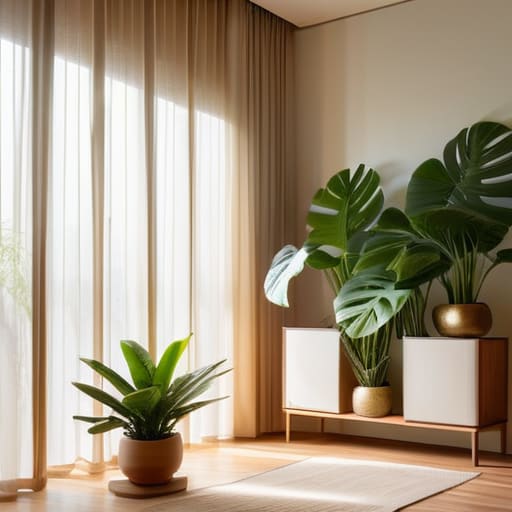
As we’ve journeyed through the invisible layers of our homes, it’s become clear that improving air quality isn’t just about high-tech filters or expensive gadgets; it’s a holistic practice of mindfulness. From identifying those quiet shadows of pollutants like VOCs to strategically introducing lush, air-purifying greenery, every small adjustment acts as a brushstroke on the canvas of your living space. By managing ventilation and choosing natural alternatives, you are essentially curating the very atmosphere that sustains your vitality. Just as I’ve learned in the bustling markets of Marrakech or the quiet temples of Kyoto, the essence of a place is often found in the things we cannot see, but can certainly feel in our lungs.
Ultimately, your home should be more than just a shelter; it should be a restorative sanctuary that nourishes your spirit. In my little notebook, I recently scribbled a phrase I heard in a small village in the Andes: “El aire es el primer alimento”—air is the first food. Let this be your guiding light as you tend to your personal ecosystem. When you prioritize the purity of the air you breathe, you aren’t just cleaning a room; you are honoring your connection to life itself. Step into your space with a renewed sense of clarity, and let every breath be a celebration of presence and peace.