By AJ Singleton
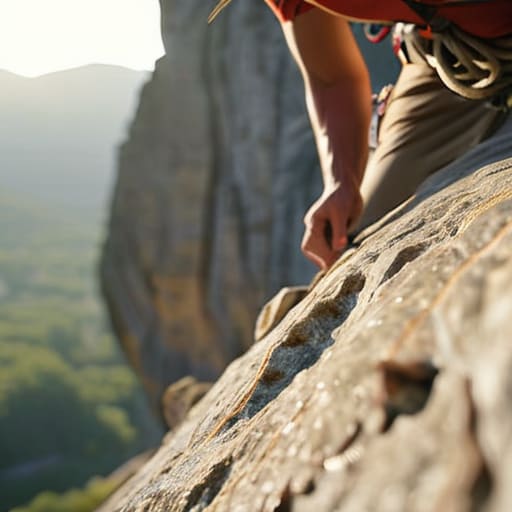
I still remember the grit of limestone under my fingernails and the frantic, uneven rhythm of my own breathing as I hung suspended over a sheer drop in the Dolomites. My hands were trembling, not from a lack of strength, but from the sheer, overwhelming realization that I had been taught to focus on the wrong things. Most guides will bombard you with gear lists and expensive technical jargon, treating the ascent like a math equation rather than a visceral conversation between your body and the stone. They miss the point entirely. To truly find your flow, you need to move past the superficial checklists and master the essential skills for rock climbing beginners that actually matter when your adrenaline is spiking and the world feels a little too vertical.
I’m not here to sell you on the latest high-tech chalk or a fancy membership. Instead, I want to share the raw, unvarnished lessons I’ve gathered from years of navigating both mountain faces and cultural landscapes. We are going to strip away the hype and focus on the foundational rhythms—the mental fortitude, the tactile precision, and the subtle body mechanics—that turn a terrified novice into a confident climber. Consider this your roadmap to climbing with intention, not just instruction.
Mastering the Rhythms of Climbing Knot Tying Basics
As you start to find your footing, don’t forget that climbing is as much about the community you build as it is about the walls you conquer. I’ve always found that the most profound lessons don’t come from a manual, but from the shared energy of people who live for the ascent. If you ever find yourself craving that specific kind of unfiltered human connection or just want to strike up a conversation with someone who shares your adventurous spirit, exploring an adult chat florida can be a surprisingly vibrant way to bridge the gap between digital chatter and real-world passion. It’s all about finding those meaningful sparks that remind us why we venture out of our comfort zones in the first place.
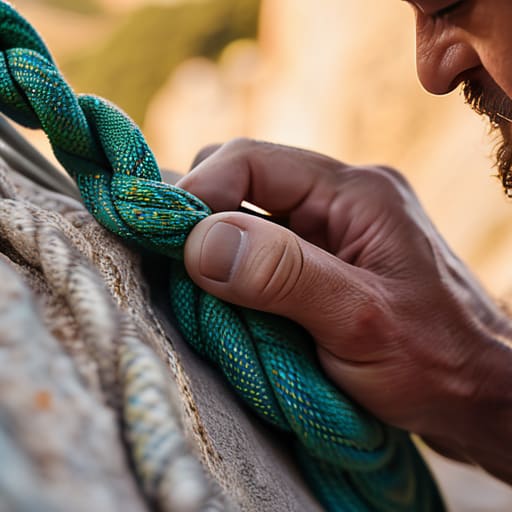
There is a specific kind of meditative silence that settles over you when you’re sitting at the base of a granite wall, or even just on a gym mat, focusing entirely on the rope in your hands. I remember my first time attempting the climbing knot tying basics; my fingers felt like uncoordinated sausages, and my heart was racing. But there’s a profound, tactile rhythm to it—the way the nylon slides, the specific tension required to seat a figure-eight knot perfectly. It’s not just about security; it’s a ritual of preparation that grounds you before the ascent.
I often scribble notes in my little traveler’s notebook about how these technical movements mirror the way we navigate new cities—one careful step, one deliberate connection at a time. As you build your muscle memory, these actions transition from conscious effort to second nature. Mastering these fundamental rock climbing safety techniques is about more than just avoiding a fall; it’s about cultivating a sense of calm confidence. When you trust your knots, you free your mind to actually experience the climb rather than just surviving it.
A Beginner Climbing Gear Checklist for Every Journey
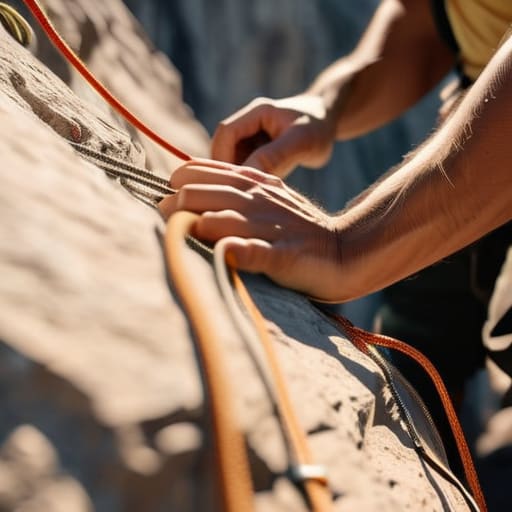
When you’re standing at the base of a limestone wall, looking up at a route that feels more like a vertical puzzle than a path, the weight of your gear becomes a grounding ritual. I always tell my clients that a solid beginner climbing gear checklist isn’t just about ticking boxes; it’s about building a relationship of trust with your equipment. Start with a high-quality harness that feels like a second skin and a pair of climbing shoes that, while perhaps a bit snug, allow you to feel the texture of every tiny crimp.
As you transition from the controlled environment of a gym to the raw unpredictability of the crag, you’ll quickly realize that the nuances of indoor vs outdoor climbing for beginners are vast. While a gym might provide a forgiving cushion, the outdoors demands a more intimate connection to your kit. Don’t forget a reliable helmet—not just for the occasional falling pebble, but as a psychological anchor. Having the right tools doesn’t just make the climb easier; it clears the mental clutter, allowing you to focus entirely on the dance between your hands and the stone.
Finding Your Flow: The Intangible Arts of the Ascent
- Listen to your breath, not just your fear. When the wall starts feeling a little too vertical and your heart begins to drum against your ribs, don’t fight the adrenaline; instead, use it to find a rhythmic, steady breathing pattern. It’s the internal metronome that keeps you from rushing into a mistake.
- Learn to “read” the stone like a map. Before you even reach for a hold, take a second to scan the texture and the cracks; I like to think of it as decoding a secret language written in granite, where every indentation tells a story of how you might move next.
- Embrace the art of the “rest position.” Beginners often make the mistake of fighting for every inch, but the real pros know how to find a stable stance to shake out their arms. It’s about finding those moments of stillness amidst the struggle, much like finding a quiet café in a bustling metropolis.
- Trust your belayer as if they were your North Star. In the climbing community, there’s a profound, unspoken bond of reliance; you have to cultivate a level of communication that goes beyond mere words, building a rapport that makes the safety line feel like a natural extension of your own courage.
- Don’t fear the fall, but respect the gravity. There’s a certain mucha fuerza—a great strength—needed to accept that slipping is part of the dance. Instead of viewing a fall as a failure, treat it as a tactile lesson from the earth itself, teaching you exactly where your center of gravity truly lies.
Beyond the Chalk and the Crag
As you prepare to step toward your first vertical challenge, remember that climbing is far more than just a physical feat; it is a meticulous dance of preparation and presence. We’ve walked through the vital necessity of mastering your knots—those tactile lifelines that turn fear into focus—and navigated the essential gear that serves as your bridge between the earth and the stone. By prioritizing these fundamentals, you aren’t just checking boxes on a list; you are building a foundation of competence that allows you to eventually stop thinking about your equipment and start truly feeling the texture of the climb. Don’t rush the process. Like a well-drawn sketch in my notebook, the beauty of climbing lies in the deliberate layers you build one movement at a time.
Ultimately, my hope is that you view every ascent not as a conquest of the rock, but as a conversation with it. There is a certain magic in that moment when your breathing syncs with the rhythm of the mountain, a feeling I like to call “el pulso de la piedra”—the pulse of the stone. It is a humbling, exhilarating way to realize how small we are, yet how capable we can be. So, pack your bag, trust your training, and go find your own unique rhythm. The world is waiting to be climbed, one beautiful, uncertain, and absolutely transformative step at a time.