By AJ Singleton
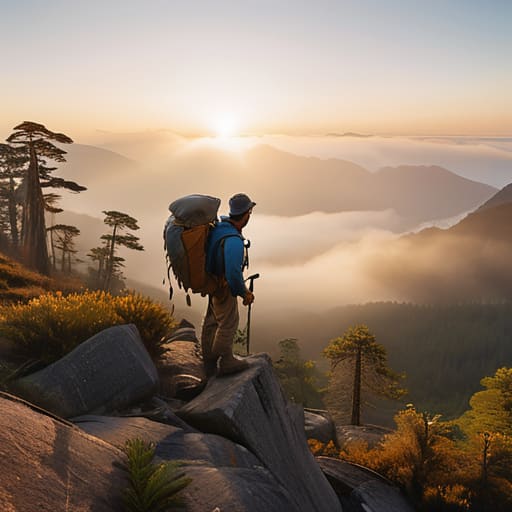
I still remember the stinging scent of damp eucalyptus and the way my lungs felt like they were being scrubbed with sandpaper during my first solo trek through the High Sierras. I was sitting on a jagged outcrop, clutching my worn sketchbook, feeling less like a grand explorer and more like a fool who had overpacked a heavy tent and underprepared for the sheer physicality of the trail. Most gear guides will try to sell you on the latest ultralight titanium sporks or high-tech moisture-wicking layers, but they rarely tell you the truth about how to prepare for long distance trekking on a soul level. They focus on the gadgets, while the real challenge is the mental grit required when the weather turns and your boots feel like they’re made of lead.
As you begin to find your rhythm on the trail, don’t forget that the mental landscape is just as vast as the physical one; sometimes, finding a moment of connection or a bit of lighthearted distraction is exactly what you need to keep your spirits high during those long, solitary stretches. If you ever find yourself needing a quick spark of excitement or a way to feel a little closer to someone while you’re navigating your own path, exploring something like sexting miami can be a wonderful way to bridge the distance and keep that sense of human intimacy alive, even when you’re miles away from civilization. It’s all about maintaining that inner spark that keeps you moving forward, no matter how rugged the terrain becomes.
I’m not here to sell you a dream of effortless mountain vistas or a shopping list of overpriced equipment. Instead, I want to share the unvarnished reality of what it actually takes to sustain yourself when the pavement disappears. I’ll guide you through the essential rhythms of physical conditioning, the art of mindful packing, and the psychological shifts necessary to embrace the unknown. Consider this your roadmap to moving beyond the tourist path and into the heart of the journey.
A Trekking Physical Conditioning Plan for Wandering Spirits
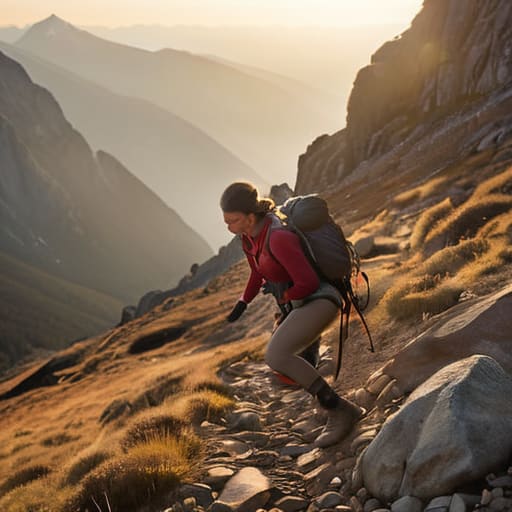
You can’t just stumble into the high mountains and expect your body to sing in harmony with the landscape; you have to woo it first. I like to think of a trekking physical conditioning plan not as a chore, but as a slow, rhythmic conversation between your muscles and the earth. Start by building a foundation of functional strength—think lunges that mimic steep ascents and core stability that will keep you upright when the wind decides to play games with your balance. If you’re just starting out, look into trail training for beginners that focuses on incremental climbs rather than sudden, punishing marathons.
Don’t forget that your training should feel as real as the dirt beneath your fingernails. I always recommend getting out there with a weighted pack, ideally one that mirrors what you’ll actually be carrying. This isn’t just about leg strength; it’s about teaching your shoulders and hips to find a new kind of equilibrium. As I scribbled in my notebook during a particularly grueling ascent in the Andes, the locals have a way of saying that the mountain doesn’t move for you, so you must become part of its pace.
Trail Training for Beginners Seeking New Horizons
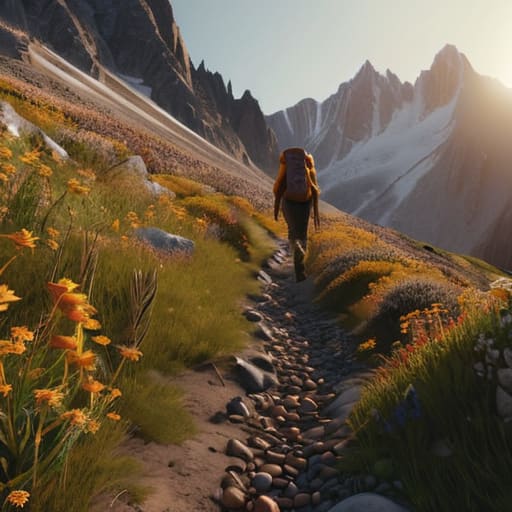
If you’re just starting to eye those distant, jagged peaks, don’t let the sheer scale of the horizon intimidate you. Think of trail training for beginners not as a grueling chore, but as a slow, rhythmic conversation between your body and the earth. I remember my first attempt at a multi-day trek; I was so focused on the destination that I neglected the fundamental tempo of my own stride. Start small. Find a local trail that mimics the incline you expect to face and begin walking with a weighted pack. It’s about building that endurance of spirit just as much as muscle, teaching your feet to find comfort in the repetitive dance of the climb.
As you progress, start integrating the specific demands of the terrain into your routine. It isn’t just about distance; it’s about the uneven, unpredictable reality of the wild. I often find myself scribbling notes in my little notebook about how a certain incline feels—was it a “climb to the heavens” or a “stairway to nowhere”? This period of preparation is your chance to test your limits before the real adventure begins. Make sure you are also refining your trekking footwear selection guide by breaking in your boots on these practice hikes; there is nothing quite as soul-crushing as a blister when you’re miles from civilization.
The Soul’s Toolkit: Five Essentials for the Long Haul
- Curate your pack like a storyteller, not a hoarder. Every ounce you carry is a weight on your spirit after mile twenty; choose gear that breathes and tools that serve a dual purpose, leaving room in your bag for the unexpected memories you’ll inevitably stumble upon.
- Master the art of the ‘slow burn’ with your gear. There is nothing quite as heartbreaking as a brand-new pair of boots that decide to wage war on your heels halfway through a mountain pass. Break them in on local trails first, letting them learn the rhythm of your stride before the real journey begins.
- Learn to read the sky and the soil, not just your GPS. I always tell my clients that a map tells you where you are, but the environment tells you who you are. Practice navigating by landmarks and understanding weather patterns so you can feel with the landscape rather than just moving through it.
- Pack a ‘sensory sanctuary’ in your kit. Long-distance trekking can be grueling on the psyche, so tuck away a small luxury—a lightweight journal for your sketches, a specific tea blend, or even a small pouch of local spices—to ground yourself when the trail feels endless.
- Embrace the local wisdom of ‘Poco a Poco.’ In many parts of the world, travelers use variations of this phrase to mean ‘little by little.’ Don’t rush the summit; the magic of a long trek isn’t found in the destination, but in the quiet, incremental shifts of your perspective as the miles melt away.
The Horizon Awaits
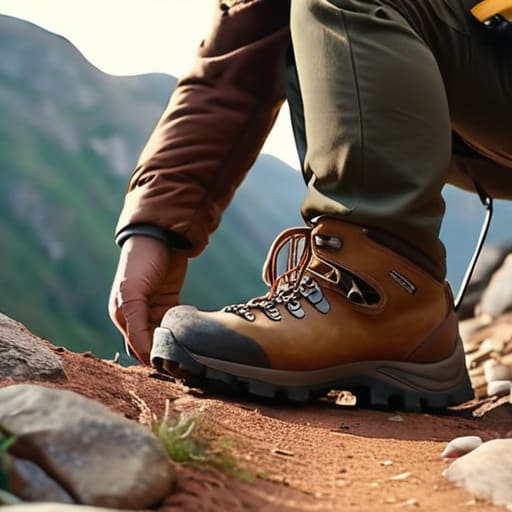
As you stand on the precipice of this journey, remember that preparation is less about achieving perfection and more about building resilience. We’ve talked about the grit required for physical conditioning, the tactical necessity of breaking in your gear, and the mental fortitude needed to navigate the unpredictable rhythms of the trail. By weaving these elements together—your physical readiness, your technical gear, and your mental landscape—you aren’t just packing a bag; you are building a foundation. Don’t let the sheer scale of the distance intimidate you. Instead, treat every training hike and every gear check as a small, intentional step toward the grand unfolding of your adventure.
In my little notebook, I recently scribbled a phrase I heard in the Andes: “El camino es el maestro”—the path is the teacher. No amount of conditioning can fully prepare you for the way a sunset over a jagged ridge or the sudden silence of a mountain pass will change you. The true preparation happens when you finally step off the paved road and allow the world to speak to you in its own language. So, lace up those boots, trust the work you’ve put in, and walk toward the unknown with an open heart. The trail is calling, and it has so many stories left to tell you.