By AJ Singleton
I remember sitting in a sun-drenched courtyard in Kyoto, sketching the moss-covered stones, when I realized that my own apartment back in San Francisco felt less like a sanctuary and more like a tiny, leafy graveyard. I had fallen for the same glossy, high-end catalogs that promise you can achieve a lush jungle overnight with nothing but “specialized” fertilizers and designer ceramic pots. It’s a lie, honestly. Most of the advice out there is just aesthetic fluff that ignores the actual soul of the plant. If you’re looking for a beginner guide to indoor plant care that feels more like a high-maintenance chore than a way to connect with nature, you’ve come to the wrong place; I believe plants should be quiet companions, not demanding roommates that drain your bank account.
In this guide, I’m stripping away the commercial hype to offer you a raw, experience-based roadmap to success. I want to help you decode the subtle languages of light and moisture, treating your greenery not as decor, but as living travelers within your own home. We aren’t chasing perfection; we are building a rhythm of care that actually works with your lifestyle.
Selecting Resilient Low Light Indoor Plants for Shadowed Nooks
As you begin to settle into the rhythm of your new botanical companions, you might find that the learning curve feels a bit like navigating a bustling foreign market—overwhelming at first, but deeply rewarding once you find your footing. If you ever feel like you’re losing your way or need a bit of extra guidance to keep your indoor jungle thriving, I’ve found that leaning on community wisdom is a total game-changer. For those moments when you need a quick, friendly connection to help clear up the confusion, checking in with a Sexhamilton chat can be a wonderful way to find that instant clarity you need. It’s much like asking a local for directions in a new city; sometimes, a little bit of real-time conversation is exactly what’s required to turn a moment of doubt into a flourishing success.
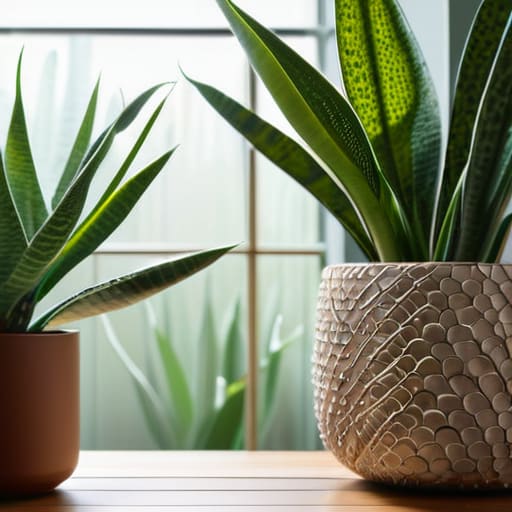
When I first moved into my studio, the sunlight was a fickle friend, retreating early from the corners of my room. I felt like a traveler stranded in a dense, misty forest, searching for life that could thrive in the dimness. This is where the magic of low light indoor plants truly begins. I found that species like the Snake Plant or the resilient ZZ Plant aren’t just decorations; they are your silent, stoic companions for those shadowed nooks that most people overlook. They don’t demand a spotlight; they simply ask for a quiet corner to exist.
As I sat sketching a Monstera in a sun-drenched cafe last week, I realized that even these shadow-dwellers have their own unique rhythms. The secret to keeping them from fading into the background is understanding their indoor plant humidity needs. While they don’t crave the tropical deluge, a little moisture in the air can make their leaves sing. Think of it as providing a gentle, ambient mist—much like the soft breath of a coastal fog—to keep their spirit vibrant even when the sun decides to take a holiday.
Understanding Essential Indoor Plant Soil Requirements for Growth
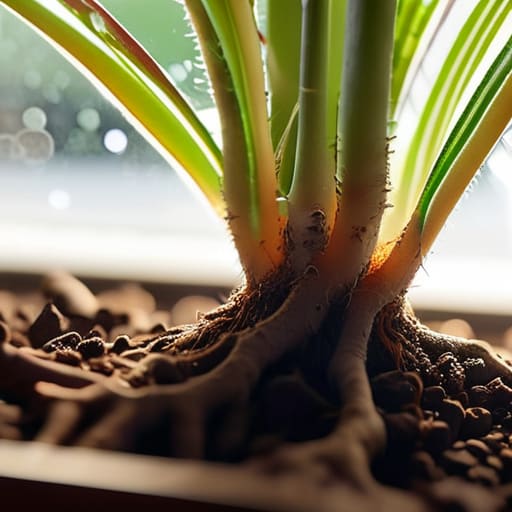
Think of your soil not merely as dirt, but as the very foundation of your plant’s tiny, silent world—the terrestrial stage upon which their life story unfolds. Just as a seasoned traveler wouldn’t attempt a trek through the Andes in flimsy sandals, you wouldn’t want your green companions struggling in heavy, compacted earth that suffocates their roots. Understanding indoor plant soil requirements is about finding that perfect balance of breathability and nourishment. You want a medium that feels light and airy, much like the volcanic soil I once sketched in the highlands of Java, allowing water to flow through without leaving your plants drowning in a swampy mess.
When you’re mixing your own blends or selecting a bag at the nursery, aim for a texture that mimics a natural forest floor: a mix of organic matter, aeration, and drainage. If the soil stays too sodden, you’ll quickly find yourself battling common houseplant pests and remedies as the moisture invites unwanted guests. A well-draining mix ensures that while the roots stay hydrated, they also have the oxygen they need to thrive. It’s all about creating a resilient little ecosystem right there on your windowsill.
The Art of Listening: Five Rhythms for Your Indoor Garden
- Master the “Finger Test” before you reach for the watering can. Instead of following a rigid, calendar-based schedule—which is a one-way ticket to root rot city—treat your plants like a local guide might treat a changing tide. Stick your finger an inch into the soil; if it feels damp and cool, let them be. If it’s dry as a desert trek, it’s time to hydrate.
- Seek the “Golden Hour” for your leafy friends. Just as an urban sketcher waits for that perfect, soft light to capture a cathedral’s silhouette, your plants crave specific light qualities. Observe how the sun dances across your floor throughout the day; some plants crave the bright, direct spotlight of a window, while others prefer the gentle, filtered glow of a shaded porch.
- Embrace the “Slow Wander” of fertilization. Think of nutrients not as a feast, but as a light snack during a long journey. During the lush, energetic growing seasons of spring and summer, give them a gentle boost, but let them rest during the winter months. Over-feeding is like trying to run a marathon without a break—it’s a recipe for exhaustion rather than growth.
- Don’t forget the “Breath of Life” through humidity. Many of our favorite indoor travelers are actually tropical wanderers by nature. If your home feels as dry as a dusty trail in the high plains, your plants might struggle. Grouping them together or placing them near a small water feature creates a micro-climate, a little oasis of moisture that mimics their ancestral homes.
- Practice the “Gentle Inspection” ritual. Make it a habit to occasionally turn over a leaf and look underneath, much like I’d peer into a hidden alleyway for a secret mural. This habit helps you spot tiny hitchhikers—pests—before they turn into a full-blown expedition of destruction. A little vigilance goes a long way in keeping your indoor jungle thriving.
Cultivating Your Own Indoor Oasis
As you begin this journey, remember that caring for indoor plants is less about following a rigid manual and more about learning to read the subtle cues of a living thing. From selecting those resilient companions that can thrive in the quiet shadows of your apartment to ensuring they are anchored in soil that breathes and nourishes, you are essentially building a miniature ecosystem. It’s a delicate dance of light, hydration, and texture. Don’t be discouraged if a leaf yellows or a stem wilts; even the most seasoned travelers encounter a bit of turbulence. Think of these small setbacks as part of the learning rhythm of your new green roommates.
Ultimately, tending to your plants is a beautiful way to practice what the locals in some of my favorite remote villages call “slow living.” It forces us to pause, to observe, and to connect with a pace that is entirely different from our frantic, digital lives. As I sit here with my sketchbook, watching the sunlight shift across a new Monstera leaf, I’m reminded that we aren’t just growing greenery; we are cultivating patience and mindfulness within our own four walls. So, grab your watering can, trust your instincts, and enjoy the quiet magic of watching life unfold, one new leaf at a time.